English
 English
 中文简体
中文简体
 Español
 Tiếng Việt
Get in touch
English
Get in touch
Sep 28, 2026
Yes, 304 stainless steel can rust. Many buyers and design engineers assume the name "stainless" guarantees a rust-free life, but the reality is more nuanced. In dry indoor air or ordinary outdoor conditions, 304 performs well because a thin chromium oxide layer forms on its surface and blocks corrosion. However, if that protective layer is damaged by chlorides, embedded contamination, or oxygen starvation, red rust can appear on 304 just as it can on carbon steel.
Knowing where the line is drawn matters when you are selecting a replacement spring for a garage door, specifying a compression spring for a control valve, or designing a torsion spring for equipment that operates near the coast. In this article, we explain why 304 corrosion happens, which environments trigger it, and what you can do to extend the service life of stainless steel spring components.
304 is an austenitic stainless steel that typically contains 18 percent chromium and 8 to 10 percent nickel. Chromium is the element responsible for corrosion resistance. When the surface of the steel is exposed to oxygen, the chromium reacts to form a transparent chromium oxide film. This passive film is only a few nanometers thick, but it is dense enough to stop oxygen and moisture from reaching the iron beneath the surface.
The film also repairs itself. If the surface is scratched, the exposed metal immediately reforms the oxide layer, provided that oxygen is present. That is why 304 sheet, wire, and small springs have been used in kitchen equipment, food processing machinery, medical instruments, and architectural hardware without paint or plating.
Nickel contributes to this performance by stabilizing the austenitic structure. This gives the material the ductility needed for tightly wound spring coils, extension spring hooks, and sharply bent torsion spring legs. The combination of corrosion resistance and formability is why 304 has become the default stainless grade in spring manufacturing.
There is a catch, though. The passive film protects the surface only while oxygen is available and the surface remains clean. In a confined space, such as the gap between adjacent coils of a tightly wound spring, oxygen replenishment is limited. When moisture enters that gap, the film cannot regenerate locally, and corrosion begins even while the rest of the component remains bright.
Rust on 304 is rarely caused by one dramatic event. In most cases, it starts with one of the six conditions described below. Recognizing the cause is the first step toward choosing a suitable grade, surface finish, and protection strategy.
Carbon steel particles from cutting tools, grinding wheels, wire brushes, or workshop dust can become embedded in the 304 surface. These iron particles rust quickly, and the stains spread onto the surrounding stainless steel.
Saltwater, road de-icing salt, bleach, and some industrial cleaners contain chlorides that break through the passive film at small weak points. Pitting corrosion follows, often appearing as small brown or black dots.
When moisture becomes trapped in a tight space where oxygen cannot follow, a differential oxygen cell forms. The oxygen-poor area becomes the anode and corrodes. Spring coils, end hooks, and under-insert areas are typical crevice sites.
Connecting 304 to a less noble metal such as carbon steel, zinc, or aluminum in a wet environment creates a galvanic cell. The more active metal corrodes preferentially, and the generated current accelerates breakdown of the passive film.
Heating 304 in the range of 450 to 850 degrees Celsius causes chromium to combine with carbon at grain boundaries. The chromium-depleted areas become vulnerable to intergranular corrosion. Welding and improper heat treatment are common causes.
Deep scratches, gouges, or repeated impact can remove the passive film faster than it can re-form. Damaged surfaces may also hold fragmented tool material, creating the same contamination problem described above.
The following table is a practical reference for deciding whether 304 is adequate for a spring or fastening component. Actual service life also depends on spring geometry, stress level, surface finish, and maintenance frequency.
| Environment | Typical exposure | Corrosion risk | Recommended grade |
|---|---|---|---|
| Indoor, climate-controlled | Stable temperature, low humidity | Very low | 304 |
| Indoor, humid process | Steam, washdown, mild detergents | Low to moderate | 304 with passivation |
| Outdoor rural | Fresh air, normal rainfall | Low | 304 |
| Outdoor industrial | Sulfur compounds, particulates | Moderate | 304 or 316 |
| Coastal, salt-laden air | Marine breeze, airborne salt spray | High | 316 |
| Marine immersion | Continuous saltwater contact | Severe | 316 or duplex |
| Chlorinated process | Swimming pool chemicals, brine, bleach | Severe | 316 or higher |
Corrosion on a spring is not only a visual problem; it is a mechanical reliability problem. A single rust pit creates a stress concentration point. Under cyclic loading, a fatigue crack can start at that pit much earlier than it would on a smooth surface.
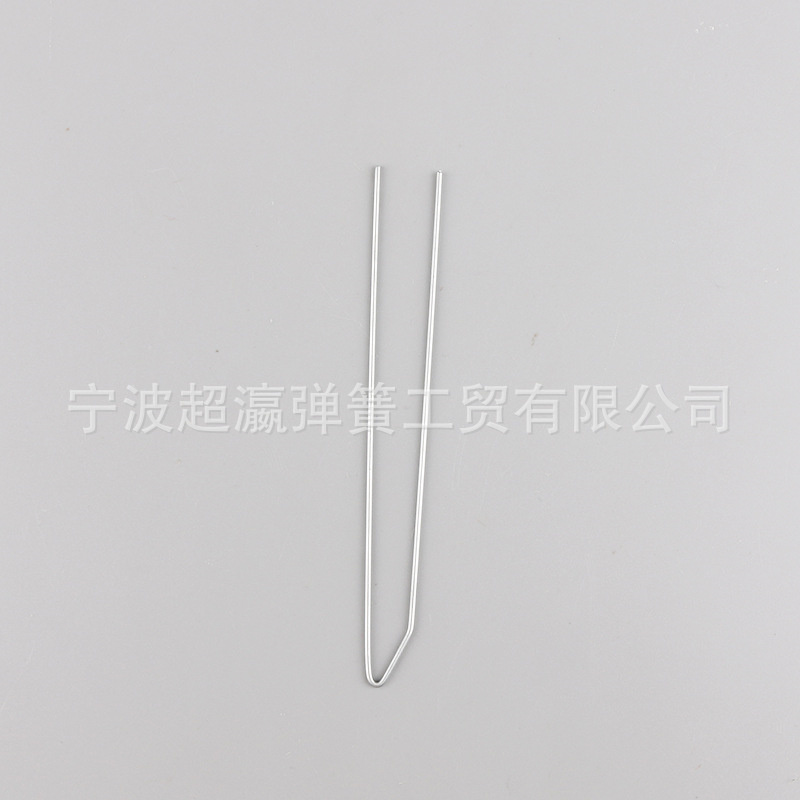
Spring geometry adds its own risk. Tightly wound coils hold moisture and reduce oxygen circulation. Extension spring hooks and torsion spring legs contain sharp bends where the passive film is stretched and can crack. When the working environment also contains chlorides or airborne salt, these localized areas fail first.
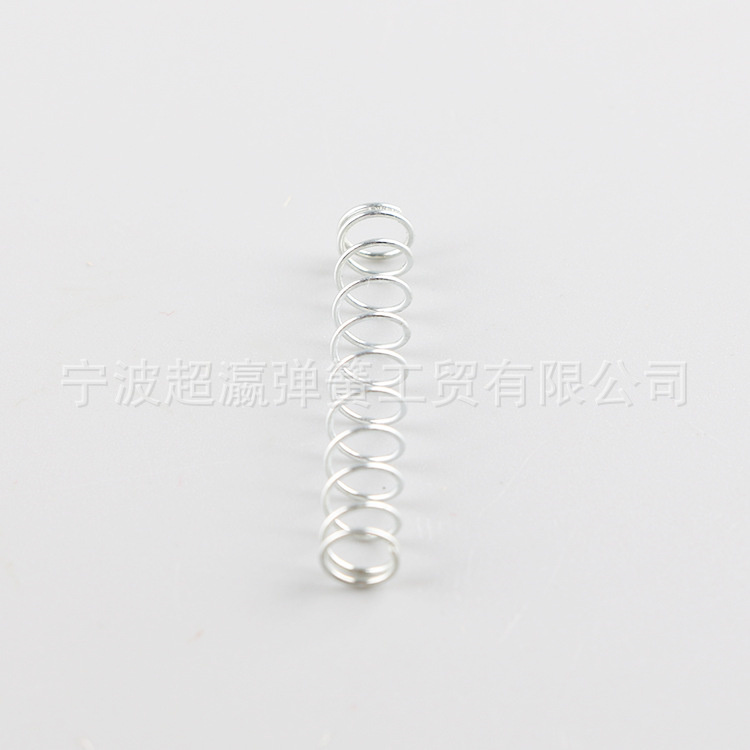
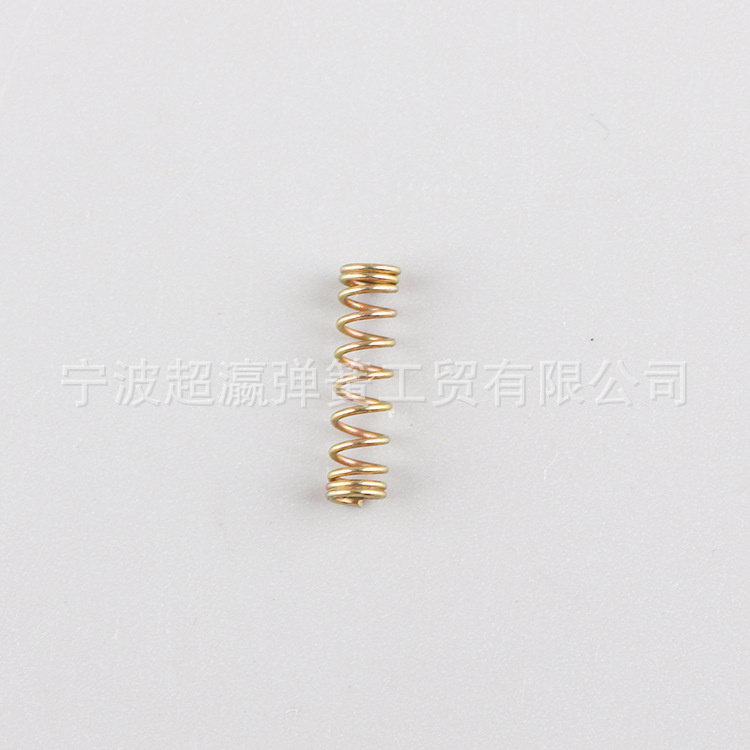
In our manufacturing facility, we produce 304 stainless steel springs for household appliances, automotive parts, medical equipment, garage door hardware, and electronic components. Used in the right environment, 304 springs provide excellent longevity and value. But we always review the application conditions before confirming the material grade.
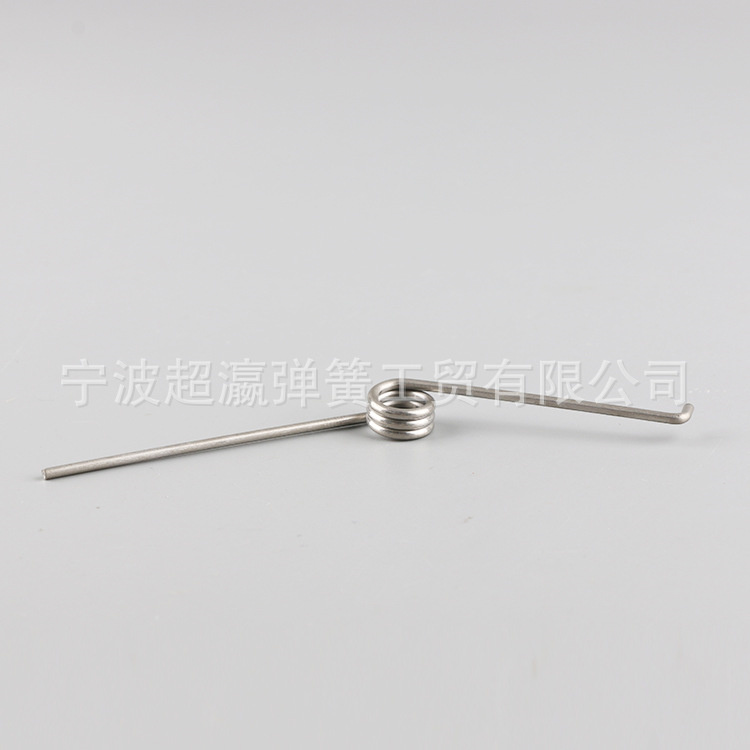
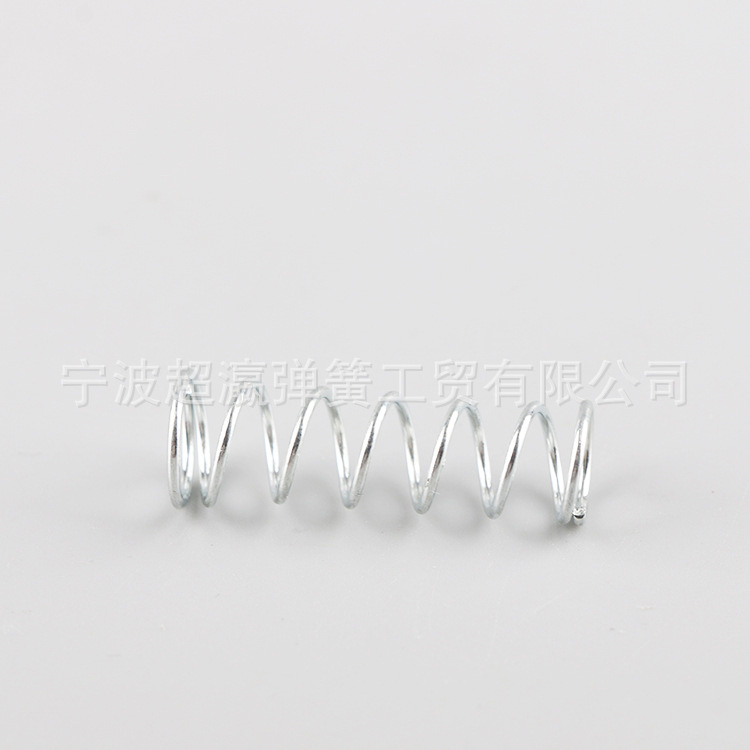
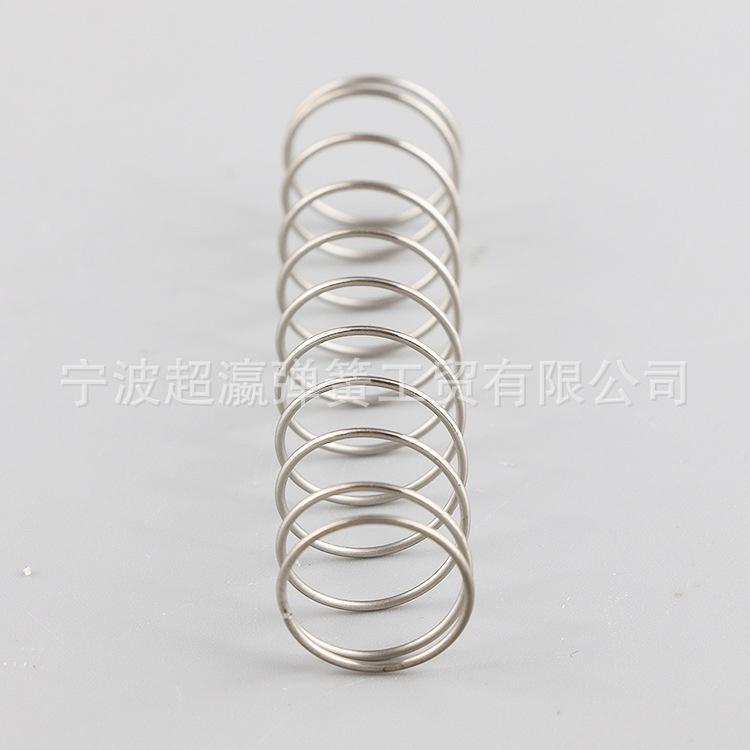
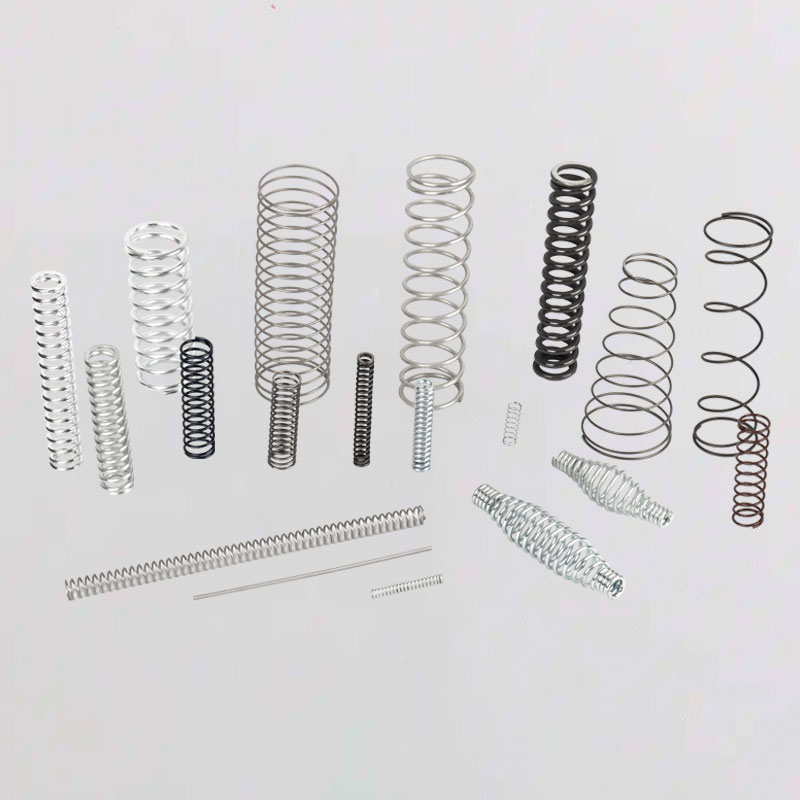 304 Stainless Steel Small Compression Spring with Custom Sizing OptionsThis non-standard small spring is produced from 304 stainless steel for corrosion resistance and stable pressure support. Its wide range of diameters and heights makes it suitable for appliances, automotive parts, medical equipment, and electronics.View Product →
For most indoor and moderate outdoor uses, 304 with a bright wire surface and proper passivation is an economical choice. For equipment installed near the coast or in chemically aggressive areas, a higher alloy is recommended from the start.
The most common material question we hear from customers is whether to use 304 or 316 for springs. The correct answer depends on the operating environment and the cost constraints of the project.
316 stainless steel adds 2 to 3 percent molybdenum to the alloy. This addition sharply improves resistance to chloride pitting and crevice corrosion. The Pitting Resistance Equivalent Number, or PREN, is a standard indicator of local corrosion resistance. 304 typically has a PREN around 19, while 316 reaches about 25. The chart below compares the relative pitting resistance of three stainless grades used for spring wire.
In an inland factory or office environment, 304 is usually the better value. It costs less than 316, is easier to draw into fine wire, and offers enough corrosion protection for decades of service. In a coastal or industrial environment, however, the extra cost of 316 is justified by reduced failure risk and lower maintenance.
We also emphasize that 304 corrosion resistance is not consistent across all environments. The same component that handles years of kitchen cleaning solution may develop pits in weeks when exposed to salt-laden sea breeze. That wide spread in performance is why material selection should never be based solely on the grade name.
For a complete engineering comparison of the two alloys, read our detailed article on 304 versus 316 stainless steel in industrial spring applications.
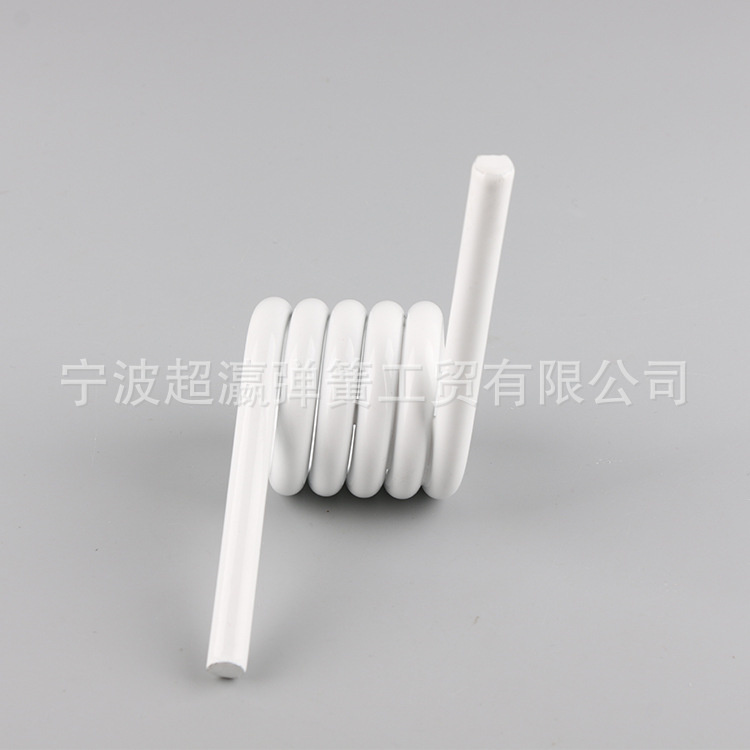
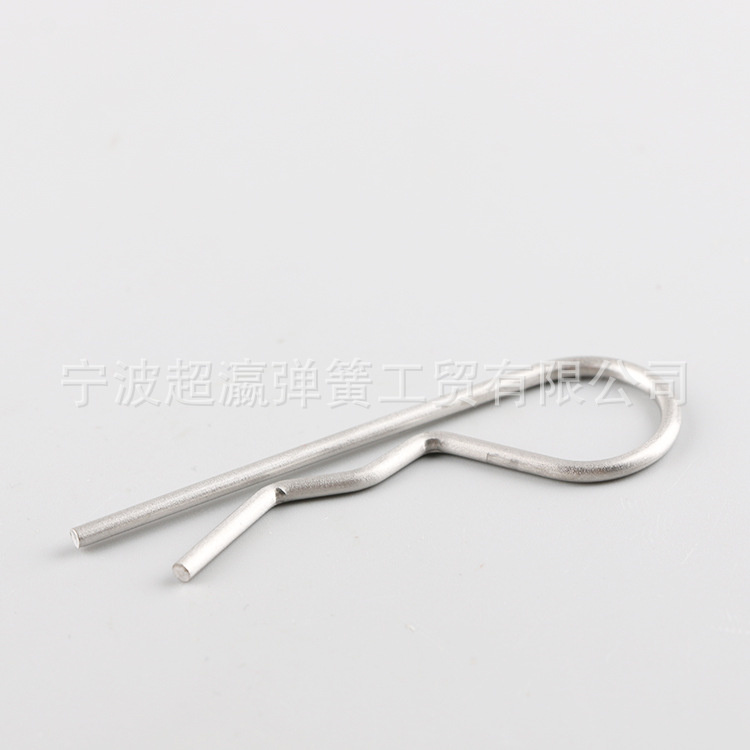
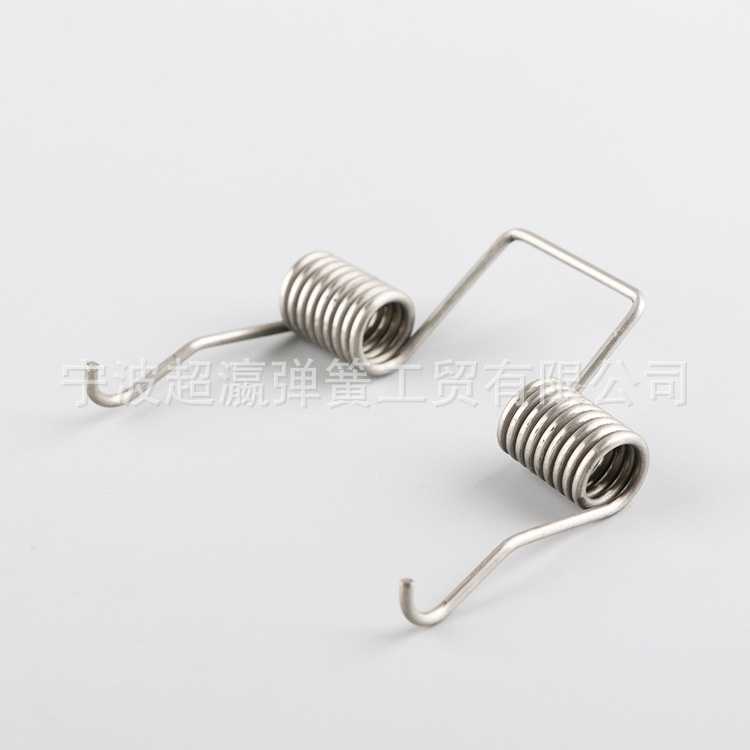 Double Torsion Spring in Stainless Steel for High Torque ApplicationsDesigned with a double-spring structure to deliver higher torsion force and cyclic loading capacity, this precision heat-treated spring supports valves, pumps, and transmission systems in automation and precision instruments.View Product →
Most 304 spring corrosion is avoidable. The following practices will significantly extend the life of stainless steel springs in almost any environment.
Passivation is particularly important for spring components that must perform in humid or mildly coastal environments. Our article on under what circumstances passivation is necessary for stainless steel parts explains the chemical process in more detail.
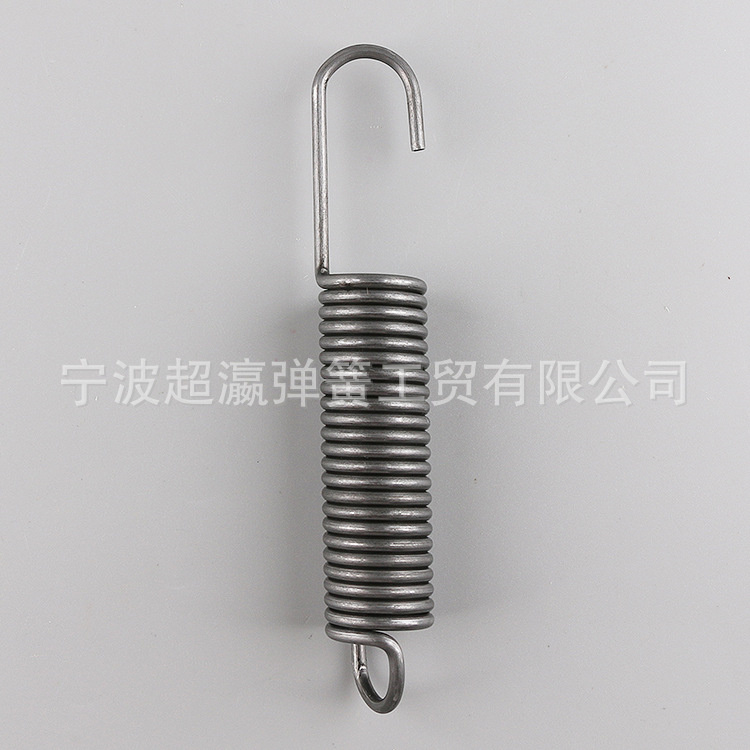
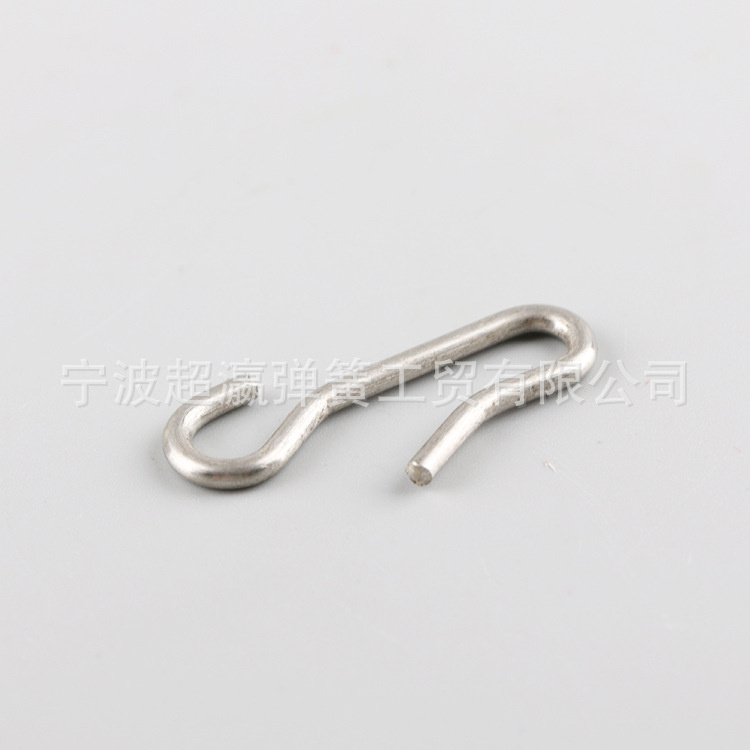
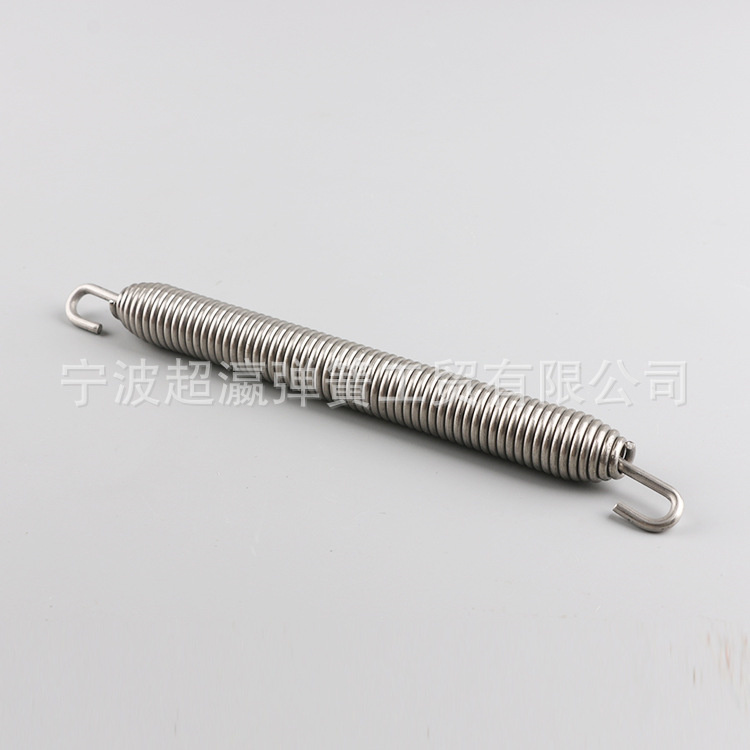 Small Stainless Steel Tension Spring with Double Hook DesignFeaturing a double hook shape for stable connection and tension transmission, this compact spring suits electronic components and medical equipment where small but high-strength tension is essential.View Product →
Yes. Saltwater contains chloride ions that attack the passive film and cause pitting and crevice corrosion. For spring components in saltwater contact, 316 or a more corrosion-resistant alloy is recommended.
There is no fixed timeline. In clean indoor air, 304 can stay rust-free for many decades. In a chloride-rich coastal environment, visible rust can appear within weeks if the passive film is damaged or the surface is contaminated.
Light surface rust can often be removed by chemical passivation cleaning or gentle abrasive methods. The component must be cleaned thoroughly and re-passivated to restore corrosion resistance. Deep pitting may require replacement.
Yes. A smooth surface minimizes the microscopic areas where moisture, chloride, and dirt can concentrate. A bright or polished finish on 304 spring wire is recommended for humid or mildly corrosive environments.
In rural inland regions with normal rainfall, 304 springs perform well. In coastal or industrial outdoor environments, 316 is safer. If 304 is used despite higher exposure, regular cleaning and frequent inspection are essential.
304 stainless steel is not rust-proof; it is rust-resistant under defined conditions. The chromium oxide layer that gives the grade its name works reliably when the surface is clean, oxygen is available, and chlorides are absent from the environment.
Springs, because of their geometry and stress states, require more careful material selection and surface preparation than flat sheet metal parts. By specifying the right grade, passivation, and surface finish, you can get years of dependable operation from 304 springs at a sensible cost. When the service environment clearly demands more, moving to 316 or a duplex grade is an investment in uptime, safety, and long-term performance.
Related Products
Contact us
Factory Address
No. 8, Taoyuan South Road, Wuyuqiao, Henghe Town, Cixi City, Ningbo, China
Phone
+86-188 6787 1218+86-574-62605393
QR CODE
 Wholesale Stainless Steel Coil Springs Manufacturers