English
 English
 中文简体
中文简体
 Español
 Tiếng Việt
Get in touch
English
Get in touch
Jan 19, 2026
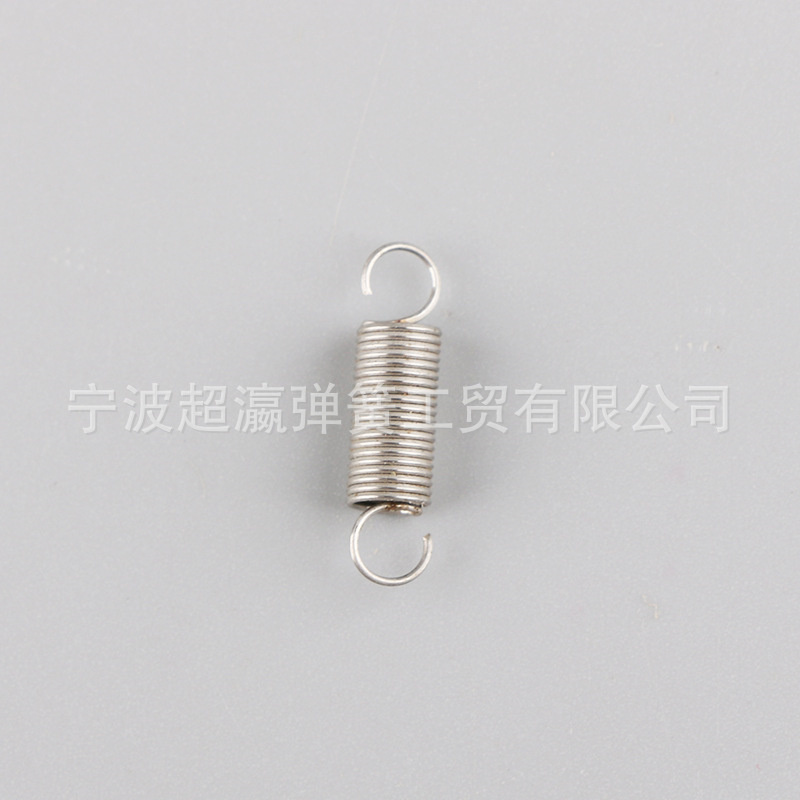
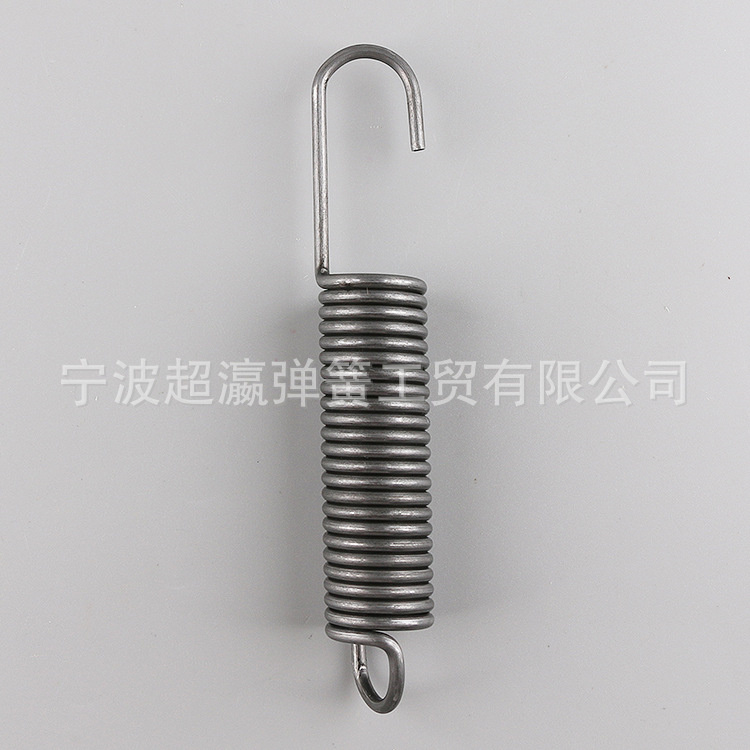
In the material specification process for a Stainless Steel Extension Spring, Grade 304 and Grade 316 are the two most frequently debated austenitic alloys. While they appear virtually identical to the naked eye, the differences in their microscopic chemical compositions directly dictate the Corrosion Resistance and long-term mechanical stability of the spring under various industrial environments.
From a chemical perspective, the most significant distinction between the two lies in the Molybdenum content. Grade 304 typically contains 18% Chromium and 8% Nickel, often referred to as 18/8 stainless steel. In contrast, Grade 316 adds 2% to 3% Molybdenum to its matrix.
The addition of this element is not merely a quantitative change but a strategic enhancement to significantly improve the material's resistance to Pitting Corrosion. In environments containing chlorides—such as salt, seawater, or industrial bleaching agents—Molybdenum helps the stainless steel form a more dense and stable passive film on the surface, preventing localized chemical attacks.
For an Extension Spring, the Tensile Strength of the material is a core parameter. Under cold-worked conditions, 304 Stainless Steel exhibits a slightly higher work-hardening rate. This means that at the same deformation rate, 304 can achieve slightly higher hardness and strength levels than its 316 counterpart.
However, 316 Stainless Steel demonstrates superior High-Temperature Stability. In environments exceeding 200°C, Grade 316 experiences slower stress relaxation, allowing it to maintain its Spring Rate for a longer duration. For mechanical equipment requiring continuous operation at moderate temperatures, 316 offers higher reliability.
When evaluating 304 vs 316 Stainless Steel, environmental factors are decisive:
Atmospheric and Freshwater Environments: For indoor equipment, consumer electronics, or general dry industrial environments, Grade 304 provides excellent cost-effectiveness and effectively prevents oxidation.
Chloride and Marine Environments: If a spring is used in coastal facilities, shipboard equipment, or automotive chassis frequently exposed to de-icing salts, Grade 316 is the only reliable choice. Chloride ions quickly penetrate the protective layer of 304, inducing Stress Corrosion Cracking (SCC), which can lead to sudden spring failure before its fatigue life is reached.
During the coiling of a Extension Spring, both materials exhibit good formability. However, as previously noted, the austenitic structure of 316 Stainless Steel is more stable.
Due to its higher Nickel content, Grade 316 experiences a smaller increase in Magnetic Permeability after undergoing intense cold drawing and coiling processes. This implies that in applications highly sensitive to magnetic fields, such as MRI equipment or high-precision sensors, springs made from 316 maintain a lower level of magnetic interference, whereas 304 springs typically exhibit noticeable magnetism after processing.
In a Value Engineering analysis, cost is an unavoidable factor. Because Molybdenum is a precious metal and Grade 316 requires higher Nickel content, the raw material cost of Grade 316 is generally 30% to 50% higher than that of 304.
If the application does not involve aggressive chemical corrosion or extreme environments, insisting on 316 may lead to unnecessary cost overruns. Conversely, if 304 is mistakenly used in a harsh environment, the maintenance costs associated with equipment downtime due to spring failure will far exceed the initial material price difference.
Grade 304: Food processing equipment (non-saline), consumer electronics, indoor furniture hardware, and general automation production lines.
Grade 316: Chemical processing units, medical implants and instruments, pharmaceutical environments, submersible pump components, and desalination systems.
By understanding the microscopic differences between these two materials, engineers can make scientific material decisions based on specific Service Life requirements, ensuring that the Stainless Steel Extension Spring maintains performance consistency and safety in complex operating conditions.
Related Products
Contact us
Factory Address
No. 8, Taoyuan South Road, Wuyuqiao, Henghe Town, Cixi City, Ningbo, China
Phone
+86-188 6787 1218+86-574-62605393
QR CODE
 Wholesale Stainless Steel Coil Springs Manufacturers