English
 English
 中文简体
中文简体
 Español
 Tiếng Việt
Get in touch
English
Get in touch
Mar 16, 2026
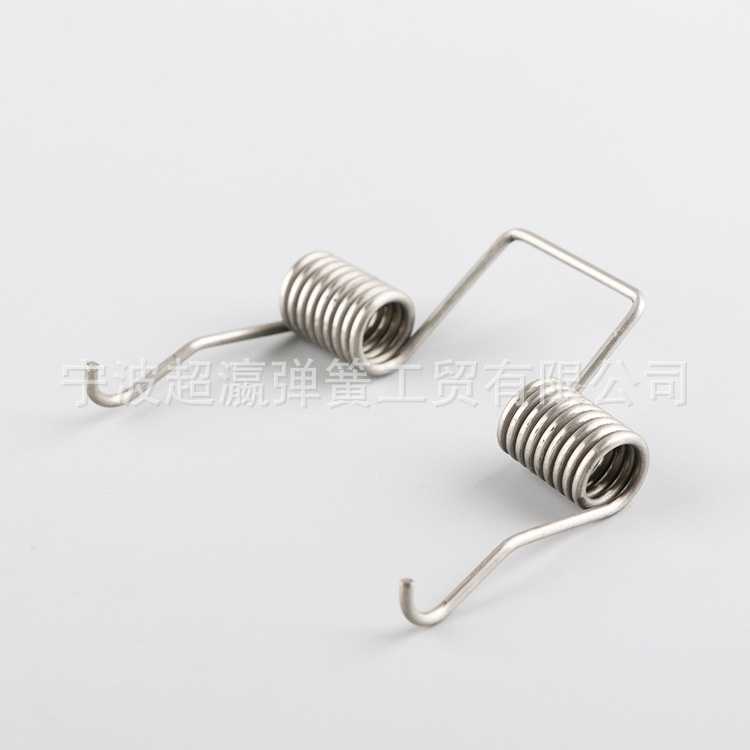
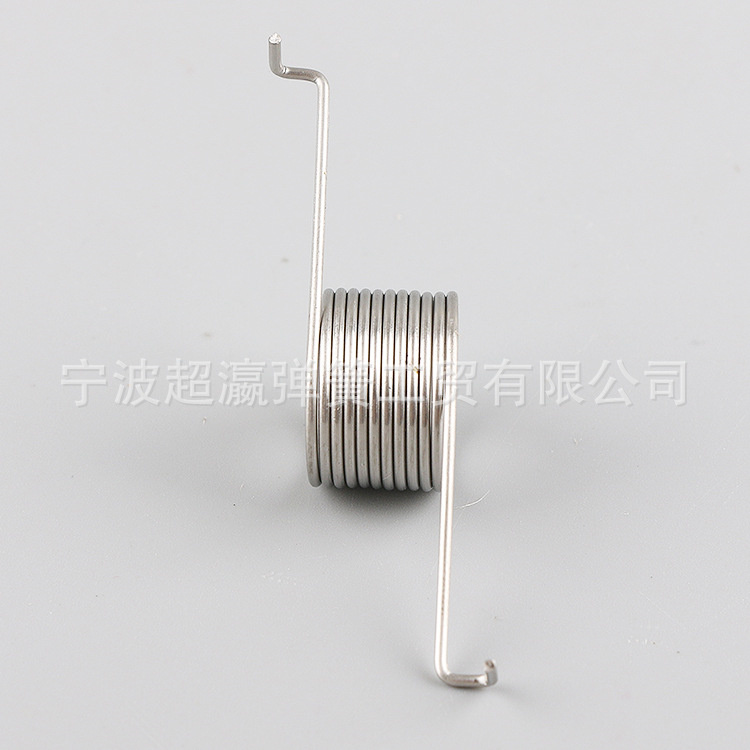
Stainless steel torsion tension springs are widely used in various industries due to their exceptional corrosion resistance. These springs maintain high performance even in challenging environments like high temperature, moisture, or exposure to chemicals. Their unique material properties make them a top choice for applications requiring resistance to corrosion. This article explores how stainless steel torsion tension springs play a critical role in corrosion-resistant applications, focusing on material characteristics, anti-corrosion mechanisms, and real-world uses.
Stainless steel is an alloy that contains at least 10.5% chromium. This chromium forms a dense oxide film of chromium oxide on the steel surface, which protects it from oxidation and corrosion. Compared to regular carbon steel, stainless steel exhibits superior resistance to corrosion, especially in environments that include chlorine, acids, or alkaline substances.
Stainless steel torsion tension springs leverage this characteristic to provide excellent durability in harsh environments. Common types of stainless steel like 304 and 316 offer good resistance to oxidation and corrosion, making them popular for use in industrial and consumer products that require high performance and long service life.
304 stainless steel is one of the most commonly used materials for springs. With 18% chromium and 8% nickel, it offers strong resistance to corrosion, making it suitable for typical industrial environments and household applications. 316 stainless steel, on the other hand, has even better corrosion resistance due to the addition of molybdenum, which enhances its resistance to chlorides and other corrosive agents. This makes 316 stainless steel ideal for use in marine, chemical, and other highly corrosive environments.
Stainless steel torsion tension springs are often manufactured from 304 or 316 stainless steel to ensure reliable performance in various operating conditions. By selecting the appropriate type of stainless steel based on the specific application, the spring’s corrosion resistance can be optimized, ensuring a longer lifespan.
The corrosion resistance of stainless steel primarily depends on the formation of a thin, protective chromium oxide film on its surface. This film acts as a barrier, preventing direct contact between the steel and corrosive substances like oxygen, acids, and salts. Even if the surface is scratched or damaged, the oxide film can regenerate rapidly, restoring the material's protective properties.
Stainless steel torsion tension springs work by maintaining this protective oxide layer, ensuring that the springs do not corrode or degrade when exposed to corrosive environments. Unlike traditional materials, stainless steel springs offer outstanding performance and durability in these conditions, significantly extending their service life.
The chemical industry involves the use of reactors, pipelines, valves, and other equipment that are frequently exposed to high temperatures, pressures, and chemical corrosion. Stainless steel torsion tension springs are essential in these settings. For example, spring valves and seals used in chemical processing equipment need to withstand the corrosive effects of acids, alkalis, and other chemical agents. The excellent corrosion resistance of stainless steel ensures that these components maintain their function over time, even in harsh chemical environments.
The marine environment, characterized by saltwater and high humidity, is particularly aggressive toward metal components. Chlorides in seawater can quickly corrode most materials, but stainless steel torsion tension springs can endure these harsh conditions. As a result, these springs are commonly found in shipbuilding, offshore oil platforms, and underwater equipment. Whether used in marine life-saving devices or desalination units, stainless steel springs provide reliable performance in saltwater environments.
In food processing, equipment is constantly exposed to water, cleaning chemicals, and varying temperatures. Traditional metals may corrode, compromising both the functionality and safety of the equipment. Stainless steel torsion tension springs are perfect for food processing applications due to their resistance to moisture, chemicals, and temperature fluctuations. By ensuring that springs used in food machinery do not corrode, these springs help maintain equipment performance and food safety standards.
Medical devices, especially surgical instruments and hospital equipment, are often in direct contact with human tissue, bodily fluids, and chemicals. The corrosion resistance of stainless steel torsion tension springs makes them an ideal material for medical applications. Stainless steel ensures that springs in surgical tools, medical machines, and implants do not degrade, ensuring long-term reliability and safety for patients.
Related Products
Contact us
Factory Address
No. 8, Taoyuan South Road, Wuyuqiao, Henghe Town, Cixi City, Ningbo, China
Phone
+86-188 6787 1218+86-574-62605393
QR CODE
 Wholesale Stainless Steel Coil Springs Manufacturers