English
 English
 中文简体
中文简体
 Español
 Tiếng Việt
Get in touch
English
Get in touch
Jan 05, 2026
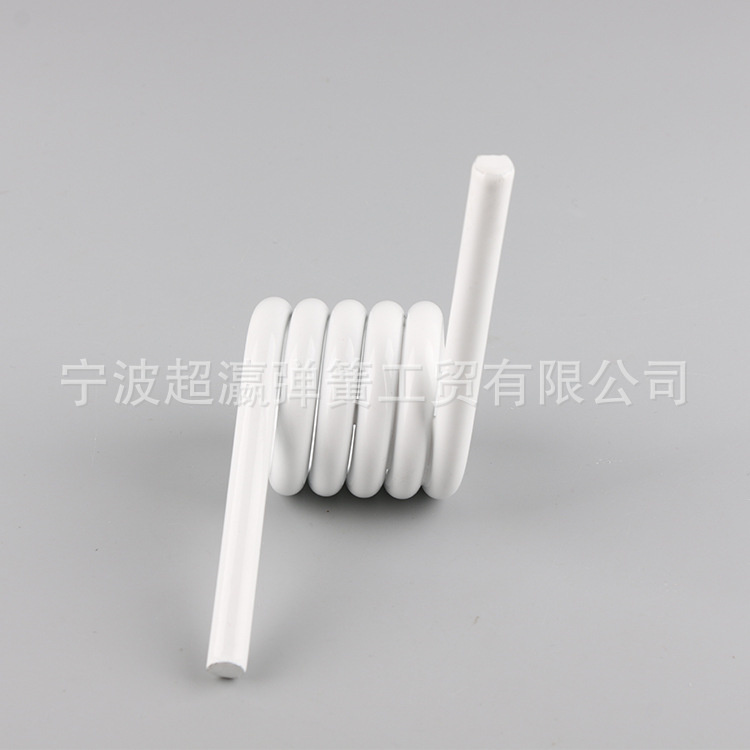
In snowboard design and manufacturing, the strong torsion spring is one of the essential components that directly impacts the board's performance. The torsion spring plays a pivotal role in enhancing the board's control, stability, and durability. For a torsion spring to function optimally, it must not only provide high torque resistance but also be lightweight and durable enough to handle the challenging conditions of snowboarding. The materials used in making strong torsion springs are crucial to the overall performance of the snowboard. This article delves into the common materials used in manufacturing snowboard strong torsion springs and their respective properties.
Titanium alloy is one of the most commonly used high-performance materials for making strong torsion springs in snowboards. Titanium alloys are known for their excellent strength-to-weight ratio, making them ideal for high-end snowboards. Titanium not only provides high strength but also offers superior corrosion resistance, allowing the springs to withstand the cold, moist conditions typically found in snowboarding environments without rusting or degrading.
Titanium alloy springs can provide strong torsional resistance while keeping the weight of the snowboard relatively light, enhancing the board's responsiveness and stability. The material’s toughness also makes it effective at absorbing shock from uneven surfaces, contributing to a smoother and more comfortable ride. Furthermore, titanium alloy maintains consistent performance over long periods, resisting fatigue and wear. As a result, premium snowboards, especially racing and high-performance boards, often incorporate titanium alloy for their torsion springs.
High carbon steel is another popular material for manufacturing strong torsion springs. Known for its high hardness and durability, high carbon steel is capable of withstanding significant torsional forces, making it highly effective in applications that require enhanced rigidity. The tensile strength of high carbon steel allows the snowboard to remain stiff during high-speed turns, providing precise control and stability.
Although it is heavier than titanium alloy, high carbon steel’s strength and cost-effectiveness make it a preferred choice for mid-range snowboards and entry-level models. The material’s ability to provide excellent torsional resistance and overall strength makes it a solid choice for riders who prioritize performance over weight. Despite its slightly higher weight, high carbon steel is often favored for its durability and lower cost, which makes it more accessible to a wider range of snowboarders.
Stainless steel is often used in the manufacturing of strong torsion springs, particularly when corrosion resistance is a priority. Stainless steel is less prone to oxidation compared to high carbon steel, making it more suitable for snowboarding in wet, salty, or humid environments. As snowboards are frequently exposed to harsh weather conditions, especially when riding in coastal or wet environments, stainless steel provides an advantage by offering enhanced longevity and resistance to rust.
While stainless steel’s strength and elasticity are comparable to high carbon steel, it tends to be heavier, which may be a downside for riders seeking lighter boards. However, its durability and resistance to corrosion make it a solid choice for snowboards intended for use in regions with high humidity or snow conditions prone to faster corrosion. High-end snowboards often use stainless steel for torsion springs, especially in harsh environments where other materials might degrade quickly.
In recent years, carbon fiber composites have begun to play a significant role in the manufacturing of strong torsion springs. Carbon fiber is known for its high strength, rigidity, and incredibly low weight, making it ideal for high-performance snowboards. Carbon fiber composites are typically combined with resins or other materials to enhance the spring’s overall durability and strength. These materials offer an excellent balance of lightness and strength, significantly improving the snowboard's performance while keeping the weight to a minimum.
One of the main benefits of using carbon fiber for torsion springs is its minimal weight, which is especially important for competitive snowboarders or those seeking to achieve the best performance. Carbon fiber also has outstanding fatigue resistance, meaning it maintains its properties over prolonged use. The material's low density helps reduce the overall weight of the board, contributing to better agility and quicker turns. Although carbon fiber composites are generally more expensive than metals, their performance benefits make them an attractive option for high-end snowboards.
Magnesium alloy is another emerging material used for strong torsion springs in snowboards. Magnesium alloys are known for being extremely lightweight while still providing high strength. Magnesium alloy springs reduce the overall weight of the snowboard, which can improve maneuverability without sacrificing torsional stiffness. The lightweight nature of magnesium alloys makes them particularly desirable for competitive snowboards that demand high responsiveness and agility.
Despite its advantages, magnesium alloy can be more difficult to manufacture compared to other materials, and it is more costly. However, its low weight and high strength make it an appealing option for premium snowboards, especially those designed for extreme performance. Additionally, magnesium alloy is resistant to corrosion, making it well-suited for snowboarding in cold and damp conditions. As material technology progresses, magnesium alloy may become more widely used in the snowboarding industry.
Composite spring materials are increasingly being used in the manufacturing of snowboard torsion springs. These materials combine different metals or non-metal materials to achieve specific performance characteristics. For example, some snowboard manufacturers combine steel with carbon fiber to create springs that leverage the strength of steel and the lightness of carbon fiber. These composite materials offer better elasticity, durability, and performance than single-material springs.
Composite torsion springs can provide enhanced strength, flexibility, and fatigue resistance. By using advanced composite materials, manufacturers can create springs that deliver optimal performance in various conditions, such as aggressive turns or high-speed runs. These materials are also designed to reduce the weight of the board while enhancing its overall performance, making them particularly useful for riders who demand a combination of precision and comfort.
Related Products
Contact us
Factory Address
No. 8, Taoyuan South Road, Wuyuqiao, Henghe Town, Cixi City, Ningbo, China
Phone
+86-188 6787 1218+86-574-62605393
QR CODE
 Wholesale Stainless Steel Coil Springs Manufacturers