English
 English
 中文简体
中文简体
 Español
 Tiếng Việt
Get in touch
English
Get in touch
Dec 29, 2025
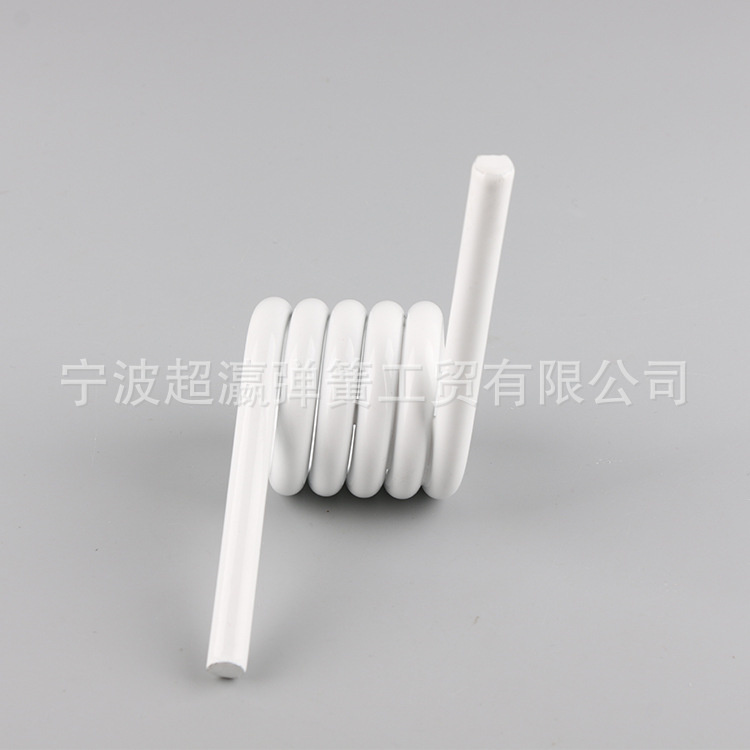
The torsion spring in a snowboard is a crucial component that significantly impacts the board's performance. Particularly in high-end snowboards and racing models, the strong torsion spring enhances control, stability, and responsiveness, creating a more dynamic riding experience. The function of the torsion spring goes beyond merely providing flexibility—it plays a central role in how the board interacts with the snow surface and how the rider controls the board during different maneuvers. This article explores in detail the role of strong torsion springs in snowboard design.
One of the primary roles of the torsion spring is to influence how the snowboard reacts during turns. When a rider turns, the forces applied to each side of the board are uneven, which can lead to instability if not managed properly. A strong torsion spring amplifies the response of the board, allowing for sharper, more precise turns. This increased torsional resistance means that the board reacts more predictably to rider inputs, especially in high-speed situations or when maneuvering through challenging terrain. In essence, the torsion spring enhances the board’s ability to "grip" during turns, ensuring better control and minimizing the risk of slippage.
Torsion springs directly influence the overall stiffness of the snowboard. The stiffness of a snowboard is critical as it determines the board's performance in various snow conditions. A stiffer board offers more precision and control, especially at high speeds or in aggressive turns, while a more flexible board provides comfort and easier handling in softer or deeper snow. By adjusting the tension of the torsion spring, snowboard manufacturers can fine-tune the board's stiffness to cater to different types of riders, whether they are looking for responsiveness and stability or comfort and ease of maneuverability.
The strong torsion spring plays a key role in optimizing power transfer from the rider to the snow surface. When a rider applies force on the board, the torsion spring helps to efficiently transmit this energy through the snowboard, improving both acceleration and stability. A well-tuned torsion spring ensures that the rider’s movements translate directly into board response, allowing for smoother transitions between turns and a more controlled ride. In high-performance snowboards, the torsion spring ensures that the energy transfer is maximized, particularly in racing or freestyle applications where precision and speed are critical.
Stability is another important aspect where torsion springs have a substantial impact. When snowboarding on uneven terrain or in challenging snow conditions, maintaining control and stability becomes more difficult. The torsion spring helps to dampen vibrations and reduce excessive flexing, keeping the board stable even during rapid speed changes or when encountering bumps. By improving the board’s torsional stiffness, the spring helps to maintain a stable edge contact with the snow, preventing the board from twisting too much during aggressive maneuvers, and reducing the risk of loss of control.
Snowboard flex is a vital characteristic that influences how the board responds to rider inputs. A strong torsion spring has a direct effect on how the snowboard bends, especially when the rider applies pressure during turns or landings. Depending on the design, a torsion spring can either enhance or limit the board's flexibility. In freestyle snowboards, flexibility is crucial for tricks and jumps, allowing the board to absorb landings and perform complex maneuvers. In contrast, in alpine or racing snowboards, torsion springs help ensure that the board retains its rigidity during high-speed runs, contributing to a more stable and controlled ride.
The weight of the snowboard is a critical factor in its overall performance. Adding a strong torsion spring increases the board's weight, but this increase is often offset by the performance benefits it provides. When designing a snowboard, manufacturers aim to balance weight and performance. High-quality torsion springs are made from materials like titanium alloys or carbon fiber, which offer high strength while keeping the added weight to a minimum. This ensures that the board remains light enough for agility while still benefiting from the added control and stability provided by the torsion spring.
In addition to performance, torsion springs also affect rider comfort. The strength of the torsion spring determines how much energy is returned to the rider during turns and jumps. A well-balanced torsion spring can reduce the shock transferred to the rider’s body, offering a smoother, more comfortable ride. This is particularly important in freeride snowboarding, where riders navigate variable snow conditions and often encounter rough, uneven terrain. The torsion spring’s role in dampening vibrations and reducing excessive flex provides a more enjoyable experience for the rider.
Over time, snowboard components naturally degrade due to constant use. Torsion springs are no exception, and their performance can diminish as the spring material fatigues. However, high-quality torsion springs, made from durable alloys and reinforced materials, maintain their performance for a longer period. Manufacturers ensure that the torsion springs used in premium snowboards are built to withstand the pressures of high-performance riding, thus ensuring long-term consistency in board performance. Riders who invest in high-end snowboards with advanced torsion spring systems can expect a longer lifespan and stable performance even after many seasons of use.
Related Products
Contact us
Factory Address
No. 8, Taoyuan South Road, Wuyuqiao, Henghe Town, Cixi City, Ningbo, China
Phone
+86-188 6787 1218+86-574-62605393
QR CODE
 Wholesale Stainless Steel Coil Springs Manufacturers