English
 English
 中文简体
中文简体
 Español
 Tiếng Việt
Get in touch
English
Get in touch
Dec 22, 2025
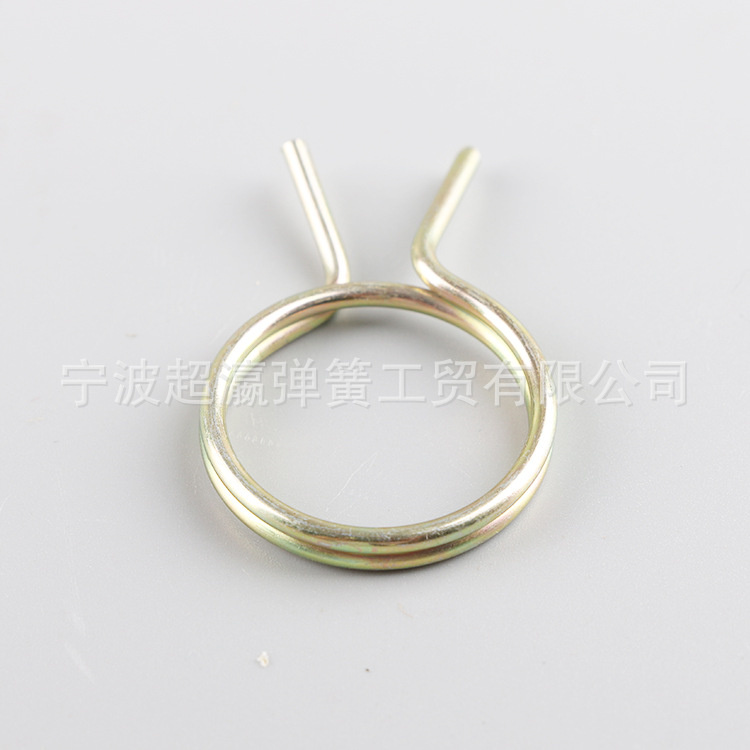
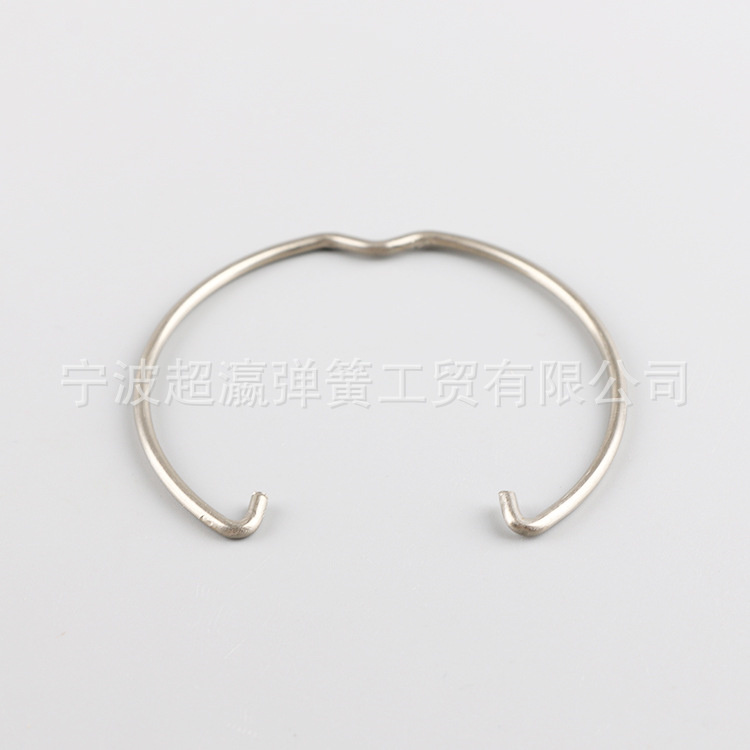
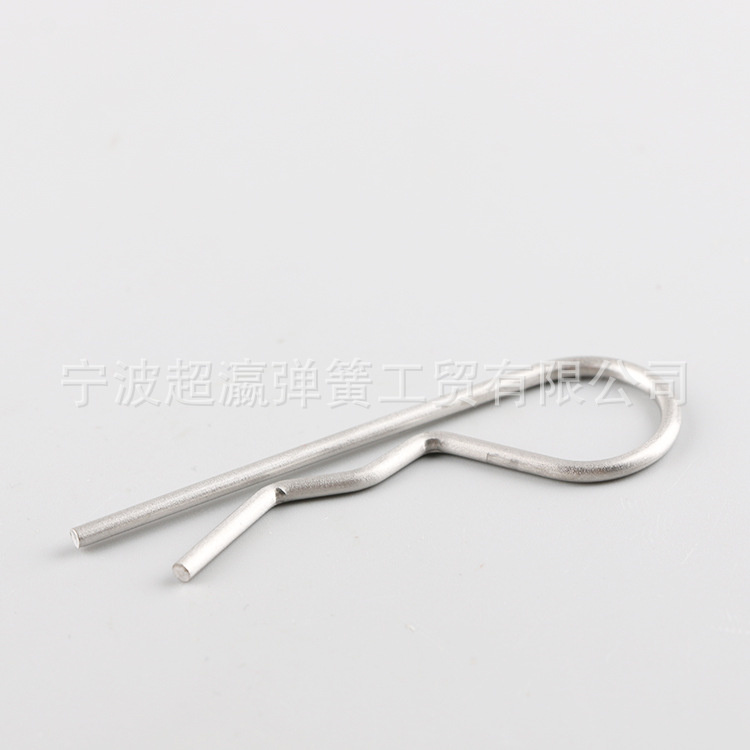
Impact inner spring ring retaining springs play a critical role in mechanical assemblies, providing axial retention and stability under high-frequency vibrations and impact loads. The forming process of these springs directly affects dimensional accuracy, mechanical properties, and service life. Cold forming and hot forming are two primary manufacturing methods, each with distinct advantages and limitations.
Cold forming, also known as cold bending or cold pressing, refers to shaping spring steel into the desired spring ring shape at room temperature. The process relies on high-precision dies and pressing equipment to achieve cutting, bending, and coiling. Cold forming is suitable for small to medium batch production and springs with relatively simple cross-sectional geometry.
High Dimensional Accuracy: Precision dies ensure consistent inner diameter, thickness, and cross-sectional dimensions.
Good Surface Quality: Cold processing reduces oxidation and surface defects, resulting in smooth surfaces and lower post-processing costs.
Stable Mechanical Properties: The absence of high-temperature heating preserves the material’s internal structure, maintaining original elastic modulus and hardness.
High Production Efficiency: Continuous cold forming allows for mass production, improving throughput and economic efficiency.
Work Hardening: Bending and coiling induce localized stress, increasing brittleness.
High Material Ductility Required: Spring steel must have sufficient plasticity to avoid cracking or fracture.
Cross-Section Limitations: Cold forming thick or complex sections is challenging, increasing the risk of stress concentration and dimensional deviation.
Hot forming involves heating spring steel to a plastic state before shaping it into the spring ring. This process is often combined with annealing, quenching, or tempering to adjust mechanical properties and internal structure. Hot forming is suitable for thick, large, or high-strength springs requiring excellent fatigue resistance.
Lower Forming Force: Elevated temperature increases material plasticity, reducing the required bending and coiling force.
Suitable for Complex Shapes: Thick, irregular, or large-diameter springs can be formed without shape restrictions.
Stress Relief: High-temperature forming eliminates residual stresses, reducing brittleness and cracking seen in cold forming.
Improved Fatigue Performance: Combined with quenching and tempering, hot-formed springs achieve higher hardness and toughness, enhancing fatigue and impact resistance.
Lower Dimensional Accuracy: Thermal expansion and springback can result in deviations requiring secondary machining.
Surface Quality Issues: High-temperature oxidation can create scale or rough surfaces that require polishing or finishing.
Longer Production Cycle: Heating, holding, and cooling steps extend production time.
Higher Equipment Costs: Furnaces, temperature control systems, and heat treatment processes increase manufacturing costs.
Cold forming is ideal for small to medium-sized springs with simple cross-sections and high dimensional accuracy requirements. Hot forming is preferred for thick, large, irregular, or high-strength springs. Companies can choose a single process or a combination based on size, mechanical performance, and production volume.
Cold-formed springs have smooth surfaces but may suffer from stress concentration, requiring shot peening or surface treatment to improve fatigue resistance. Hot-formed springs benefit from improved internal microstructure and higher fatigue strength, though surface oxidation may require finishing or coating. The choice of forming method directly affects reliability and long-term performance.
Related Products
Contact us
Factory Address
No. 8, Taoyuan South Road, Wuyuqiao, Henghe Town, Cixi City, Ningbo, China
Phone
+86-188 6787 1218+86-574-62605393
QR CODE
 Wholesale Stainless Steel Coil Springs Manufacturers