English
 English
 中文简体
中文简体
 Español
 Tiếng Việt
Get in touch
English
Get in touch
Jun 15, 2026
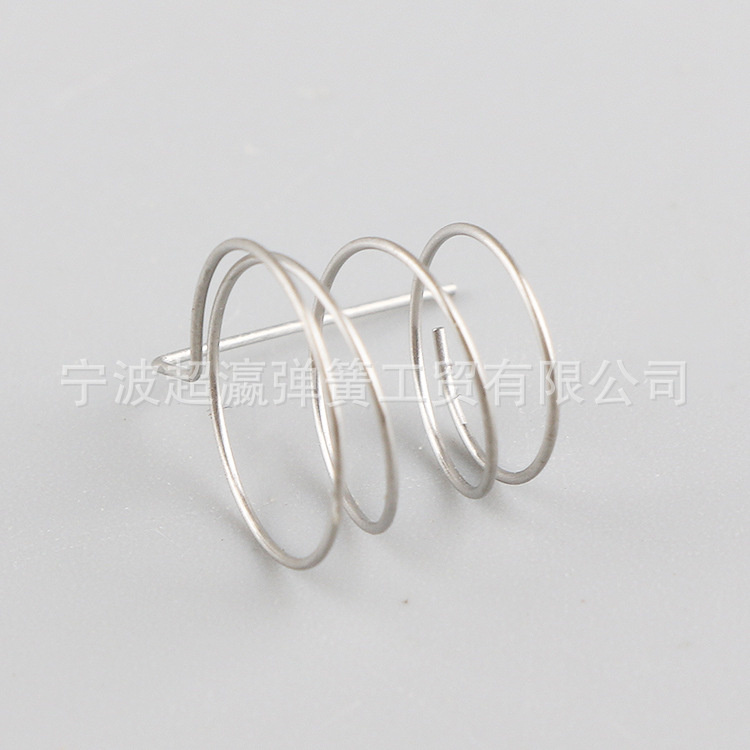
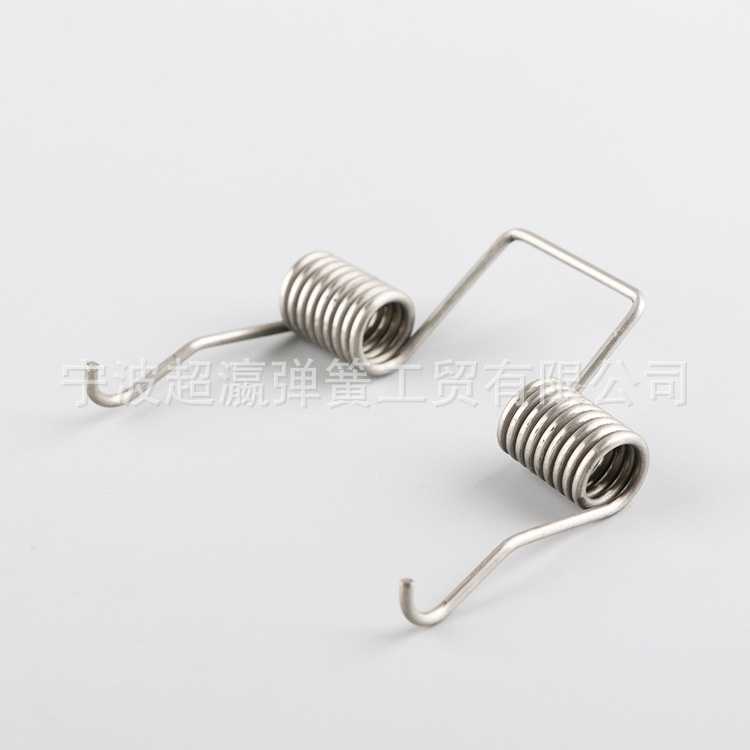
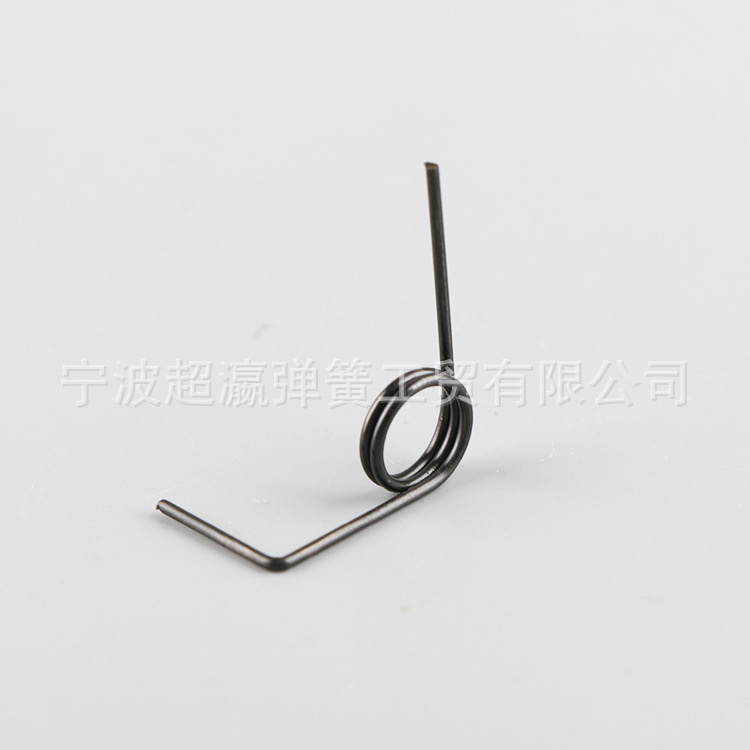
When balancing heavy-duty industrial doors or frequently operated residential balance systems, the garage torsion spring serves as the core power source. Its mechanical performance directly determines the safety, operational efficiency, and maintenance cycle of the entire mechanical system. This type of torsional spring stores and releases mechanical energy to balance the load. Because it operates under continuous alternating stress conditions, it requires exceptionally high technical standards for material quality, wire diameter ratios, and manufacturing processes.
To ensure the balance system does not suffer from premature fatigue fracture under high-frequency and high-load operations, understanding the core technical parameters and material selection of the garage door spring is essential.
The core design of the torsional spring lies in the precise output of mechanical torque, measured in Inch-Pounds Per Turn (IPPT). The stiffness of the spring is directly proportional to the fourth power of the wire diameter and inversely proportional to the mean diameter of the spring. This means that a minor increase in wire diameter will significantly alter the bending stress resistance and load-bearing capacity of the garage door coil spring.
In practical applications, if the material changes or the design life needs extension, the wire diameter and total length must be adjusted through precise mathematical conversion models to maintain a constant torque output. For instance, by increasing the wire diameter and lengthening the total wire, the internal shear stress of a single cycle can be distributed across more physical coils. This increases the fatigue fracture resistance life several times over without changing the lifting force.
Different manufacturing processes and wire diameter selections directly affect the operational lifespan and mechanical stability of the garage torsion spring. Below is a core technical parameter comparison of the garage door spring across different technical tiers based on industry standards:
| Performance Metrics Parameters | Standard Tier Components | High-Cycle Industrial Components | Extreme Load Ultra-Long Life Components |
| Wire Diameter Range | 0.207" - 0.218" | 0.225" - 0.250" | 0.262" - 0.293" |
| Inside Diameter | 1.75" / 2.0" | 2.0" / 2.625" | 2.625" / 3.75" |
| Design Cycle Fatigue Life | 10,000 Cycles | 25,000 - 30,000 Cycles | 50,000 - 100,000 Cycles |
| Wire Material Technology | Oil-Tempered Carbon Spring Steel Wire | Music Wire / Pre-Galvanized Spring Steel Wire | High-Tensile Electrophoretic Painted Oil-Tempered Wire |
| Corrosion Resistance Treatment | Basic Anti-Rust Oil Coating | Hot-Dip Galvanized or Surface Passivation | Epoxy Resin Electrophoretic Coating |
| Operating Temperature Tolerance | -10°C to 60°C | -25°C to 80°C | -40°C to 120°C |
As a continuously working garage door coil spring, the primary failure mode is metallic fatigue fracture caused by stress concentration. During long-term torsional cycling, the tensile stress sustained by the inner wall of the spring is greater than that of the outer wall. If there are minor scratches, decarburization layers, or oxidative corrosion on the spring surface, these defects will quickly turn into fatigue sources and lead to instantaneous brittle fracture when reaching the design cycle limit.
Effective technical methods to improve the lifespan of the torsional spring include:
Shot Peening: Bombarding the spring surface with high-speed projectiles introduces residual compressive stress. This counteracts a portion of the tensile stress during operation, significantly suppressing the initiation of fatigue cracks.
High-Precision Winding Cones Integration: Ensuring that axial and radial forces are uniformly distributed during installation and torsion avoids localized stress concentration at the ends.
When selecting a garage torsion spring, precisely matching the static resistance and dynamic inertia of the balance system is the fundamental way to solve mechanical jamming and reduce transmission system wear. Through strict screening of standardized parameters, it ensures that the balance components provide high-precision, highly secure, and smooth power output under various harsh environments.
Related Products
Contact us
Factory Address
No. 8, Taoyuan South Road, Wuyuqiao, Henghe Town, Cixi City, Ningbo, China
Phone
+86-188 6787 1218+86-574-62605393
QR CODE
 Wholesale Stainless Steel Coil Springs Manufacturers