English
 English
 中文简体
中文简体
 Español
 Tiếng Việt
Get in touch
English
Get in touch
Jun 08, 2026
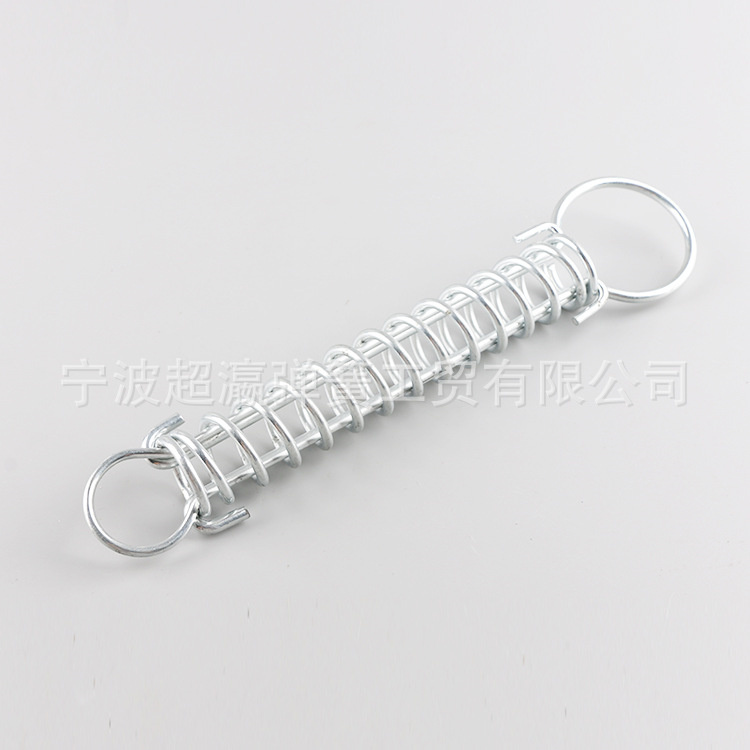
door pull back spring and pullback spring are key elastic return components widely used in door control and mechanical reset systems. These components are designed to provide automatic rebound force after external opening action, enabling controlled return movement of doors, panels, and protective covers. In engineering structures, door pull back spring and pullback spring play an essential role in improving operational stability, reducing impact load, and extending service life of mechanical assemblies.
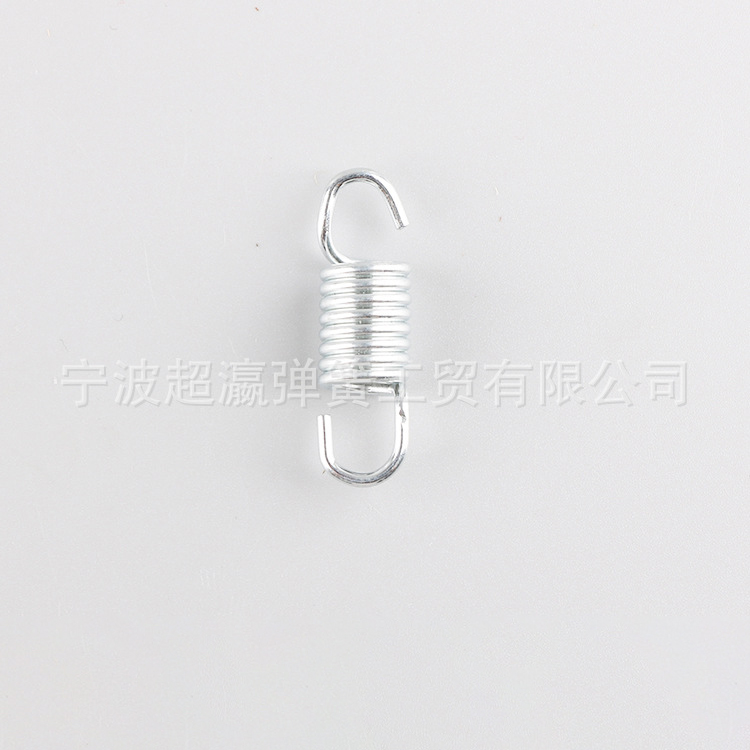
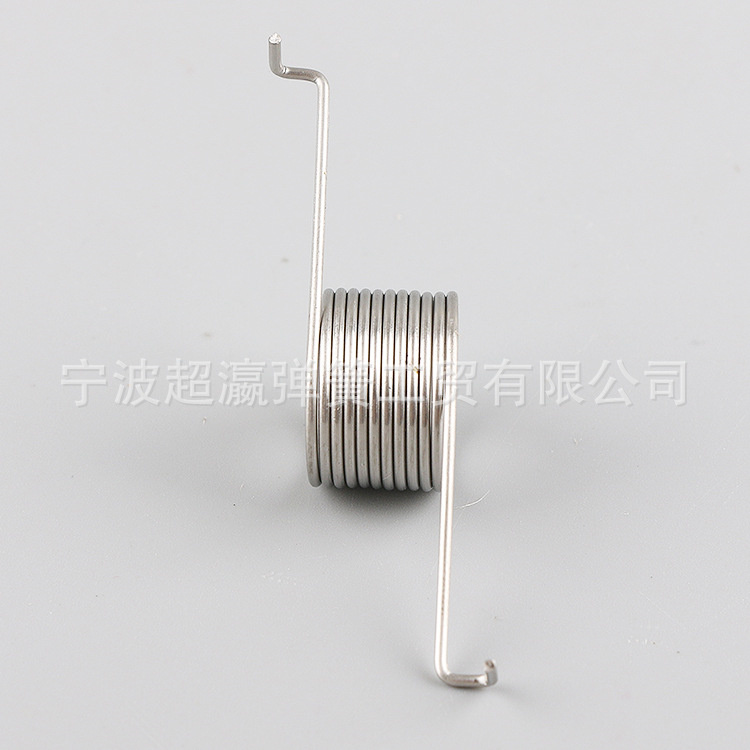
door pull back spring and pullback spring are typically manufactured from high tensile spring steel wire formed into helical coil structures. The system generally consists of a spring body, hook terminals, load connection points, and mounting interface areas. Each structural element contributes to energy storage, force transmission, and controlled release during operation.
The spring body stores elastic potential energy during extension. The hook terminals connect the spring to door frames or moving components. The load connection points ensure stable force transfer. The mounting interface distributes stress across supporting structures. In different applications, pullback spring geometry is adjusted by wire diameter, coil spacing, and total coil count to match load and motion requirements.
door pull back spring operates based on elastic deformation and energy recovery. When a door is opened, pullback spring is stretched, causing internal stress accumulation within the coil structure. Once the external force is removed, the stored energy is released, generating a restoring force that drives the door back to its original position.
The energy conversion process follows a mechanical to elastic to mechanical transformation path. This ensures smooth return motion and controlled damping effect depending on spring rate and structural configuration. Improper matching of pullback spring stiffness may result in excessive rebound speed or incomplete closure behavior.
| Wire Diameter | Smaller diameter provides lower force output and smoother motion while larger diameter increases load capacity but raises operating resistance |
| Active Coil Count | Higher coil count increases elastic travel and improves smooth return while lower coil count increases response speed but may increase impact force |
| Free Length | Short free length is suitable for compact door structures while longer free length supports larger opening travel systems |
| Spring Rate | Low spring rate is used for lightweight doors while high spring rate is applied to heavy load or industrial door systems |
| Maximum Extension Range | Standard extension is used for regular opening angles while reinforced extension supports high cycle and high travel applications |
door pull back spring is widely used in mechanical door systems where automatic return is required. In lightweight enclosure systems, pullback spring ensures consistent closing behavior after each opening cycle. In equipment protection covers, it maintains a normally closed state to enhance operational safety.
In industrial machine guards, door pull back spring supports automatic reset of protective doors, ensuring immediate restoration of safety conditions after maintenance or operation access. In automated systems, pullback spring is applied in cover return mechanisms for robotic assemblies and motion control equipment.
door pull back spring installation configuration directly affects load distribution and service performance. Axial tension installation provides balanced force transmission and is suitable for standard door structures. Offset installation is used in compact mechanical layouts where space constraints exist, requiring additional torque compensation design.
Stress concentration is typically observed at hook connection points of pullback spring. Reinforcement in these regions is necessary to prevent fatigue fracture under repeated loading conditions. Proper alignment ensures uniform stress distribution and reduces premature wear.
door pull back spring may experience performance degradation such as reduced elasticity, incomplete return motion, or abnormal noise during long-term operation. These issues are commonly associated with material fatigue, over-extension usage, or misalignment during installation.
Elastic degradation occurs when repeated cyclic loading alters internal material structure. Incomplete return is often caused by insufficient spring rate or improper preload configuration. Noise generation may result from friction points or lack of lubrication in contact interfaces of pullback spring systems.
Diagnostic evaluation includes measuring free length variation, assessing rebound speed consistency, and checking force uniformity across the spring structure.
door pull back spring performance is influenced by material heat treatment quality, surface coating protection, and environmental conditions. Elevated temperature environments may reduce elasticity performance, while high humidity conditions may accelerate corrosion if protective coatings are insufficient.
Dynamic response behavior of pullback spring is also affected by operation frequency. High cycle applications require enhanced fatigue resistance design to ensure stable long term mechanical performance under continuous loading conditions.
Related Products
Contact us
Factory Address
No. 8, Taoyuan South Road, Wuyuqiao, Henghe Town, Cixi City, Ningbo, China
Phone
+86-188 6787 1218+86-574-62605393
QR CODE
 Wholesale Stainless Steel Coil Springs Manufacturers