English
 English
 中文简体
中文简体
 Español
 Tiếng Việt
Get in touch
English
Get in touch
Jun 22, 2026
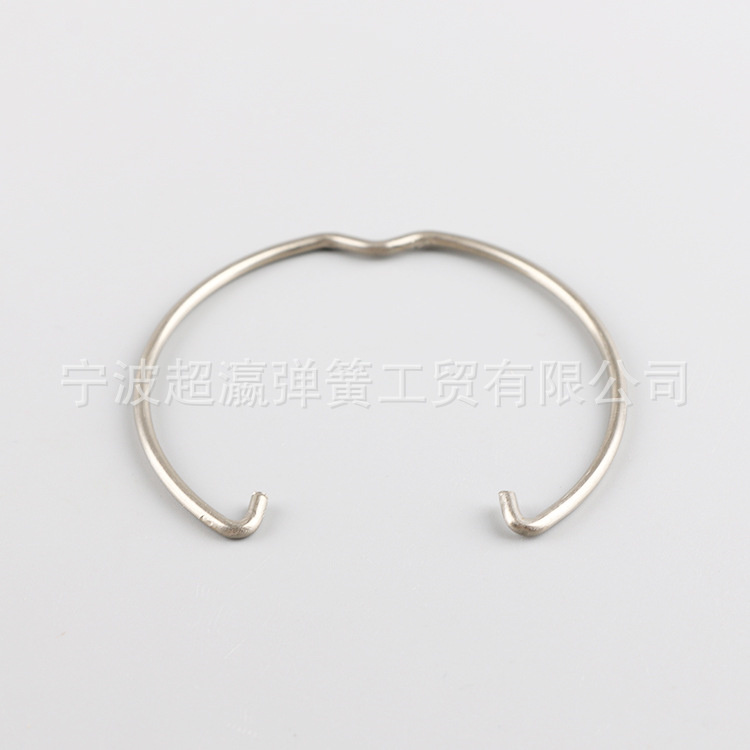
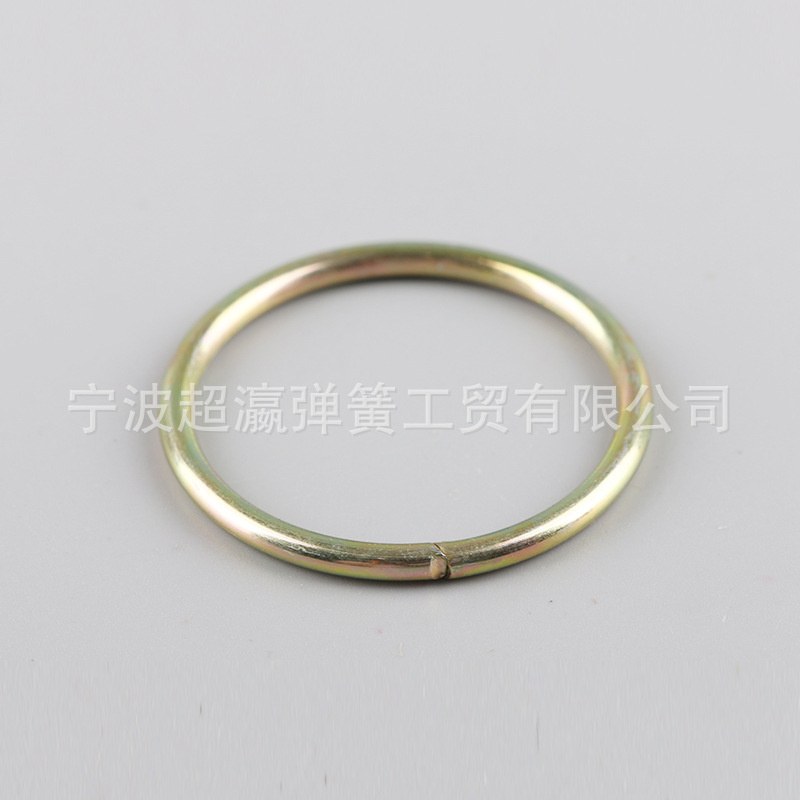
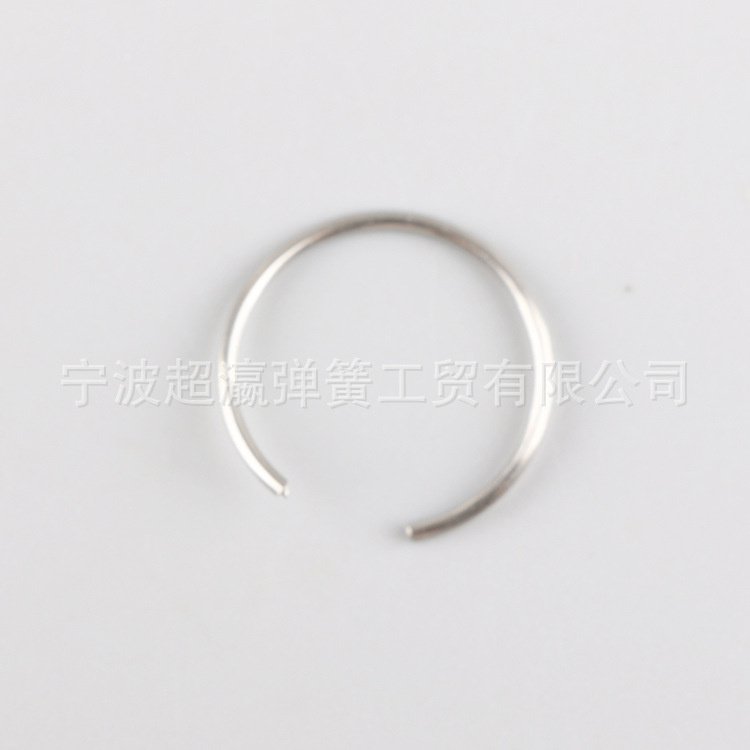
In various precision machinery and transmission systems, the Circlip is a critical fastening element primarily used for axially securing parts on shafts or within bores to prevent displacement. Whether in heavy machinery or precision electronic equipment, the correct selection and installation of these fasteners are directly related to the stability and safety of the entire system.
Based on installation position and direction of force, Circlip variants are categorized into Internal circlip and External circlip.
Internal circlip: Primarily used for internal bore fixation, securing parts by exerting radial elastic tension into grooves within the bore. During design, the bearing capacity of the groove must be strictly calculated to ensure that the ring does not flip or slip out of the groove when subjected to axial forces.
External circlip: Typically installed in grooves on the outer edge of a shaft, securing parts via contraction force. For high-speed rotating shafts, the balance of the External circlip is particularly important, as centrifugal force may affect its fastening reliability.
In chemical, food processing, or humid environments, common carbon steel materials are prone to corrosion, leading to failure. Stainless steel circlips or Stainless circlips are ideal choices due to their excellent corrosion resistance.
When selecting stainless steel materials, attention must be paid to their elastic modulus and hardness:
Corrosion Resistance: Stainless circlips effectively prevent the spread of rust in oxidative environments.
Elastic Life: High-quality Stainless steel circlips undergo heat treatment processes to ensure that they maintain good resilience even after multiple installations and removals.
To meet different mechanical space requirements, the specifications of the Circlip cover a complete sequence from extremely small to heavy-duty.
Small Specifications (4mm circlip, 5mm circlip, 10mm circlip): Primarily used in precision instruments, micro-motors, medical equipment, and similar fields. These micro-rings require extremely high installation precision; if the groove machining deviation exceeds 0.05mm, it may lead to loosening or stress concentration after installation.
Large Specifications: In fields such as high-power gearboxes and engineering vehicle transmission shafts, it is often necessary to use Large circlip pliers for installation. Due to the immense internal stress of large rings, manual operation is strictly prohibited, and dependence on professional tools is required.
When replacing or installing rings, the choice of tool is the key to determining installation quality.
| Operation Item | Tool/Method Suggestion | Notes |
| Small circlips (4-10mm) | Precision circlip pliers | Avoid excessive expansion causing permanent deformation |
| Large Rings | Large circlip pliers | Must ensure pins match ring aperture perfectly |
| Internal circlip Installation | Dedicated assembly guide sleeve | Prevent ring from scratching the bore wall groove |
| External circlip Installation | Positioning expansion sleeve | Ensure uniform force on the ring with no torsion |
When using Large circlip pliers, ensure the tool pins are perpendicular to the ring holes and apply force slowly. If the ring appears slightly eccentric or the groove is uneven during installation, stop immediately and check whether the groove machining depth of the shaft or bore meets standards (typically, groove depth and width tolerance must be within ±0.02mm).
During long-term operation, Circlip failure usually manifests in the following ways:
Groove Edge Cracking: Commonly seen in overload conditions, usually caused by the chamfer of the installation groove not meeting specifications, leading to excessive stress concentration.
Material Fatigue: In machinery with high-frequency reciprocating motion, if the fatigue limit of the ring material is insufficient, fracture will occur.
Deformation Due to Improper Installation: Using incorrect tools (such as non-matching Large circlip pliers) to install Small circlips results in excessive opening, reducing the locking force.
Through precise size matching and material selection, the fastening role of the ring can be maximized. Considering axial bearing requirements and environmental temperature stability for specific mechanical load environments is essential to ensure that every Circlip provides long-lasting mechanical protection.
Related Products
Contact us
Factory Address
No. 8, Taoyuan South Road, Wuyuqiao, Henghe Town, Cixi City, Ningbo, China
Phone
+86-188 6787 1218+86-574-62605393
QR CODE
 Wholesale Stainless Steel Coil Springs Manufacturers