English
 English
 中文简体
中文简体
 Español
 Tiếng Việt
Get in touch
English
Get in touch
May 18, 2026
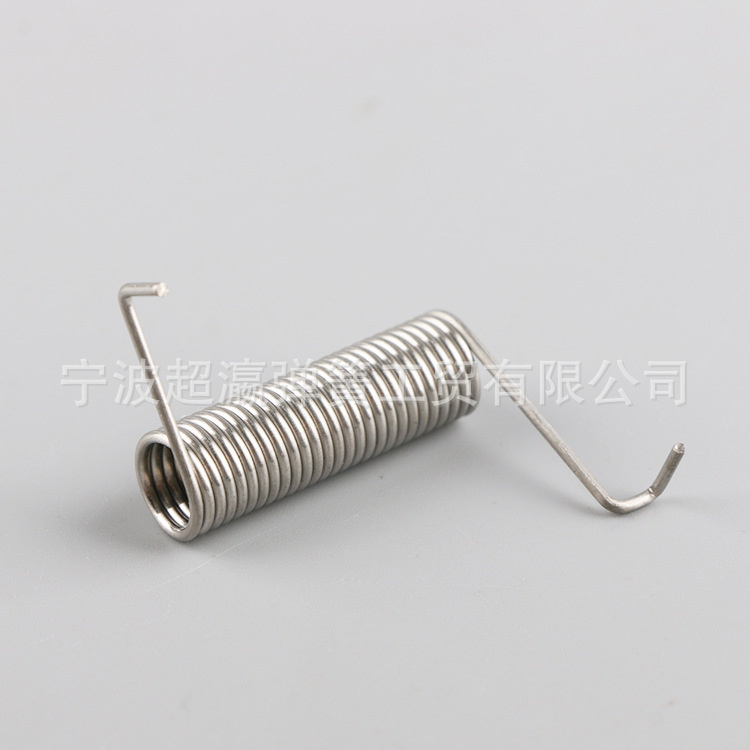
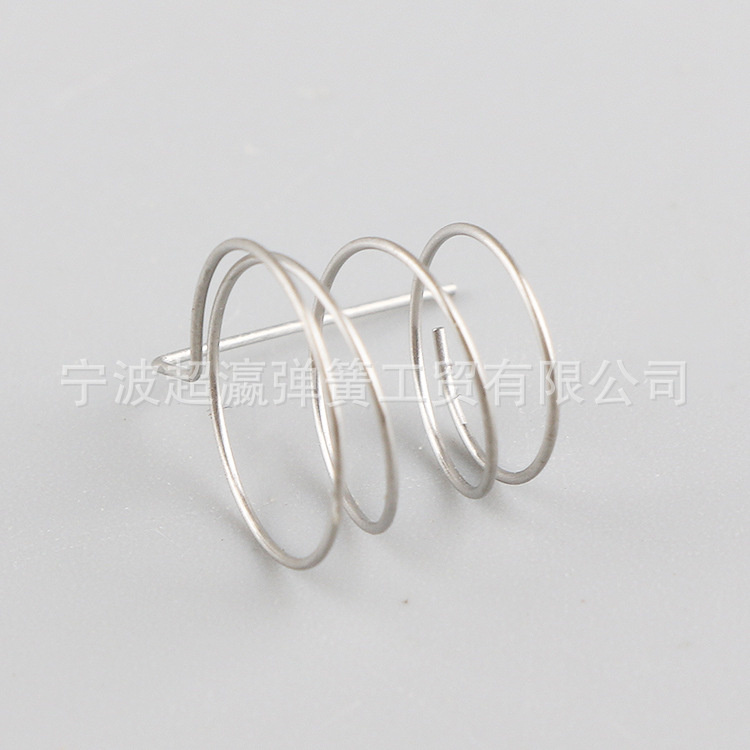
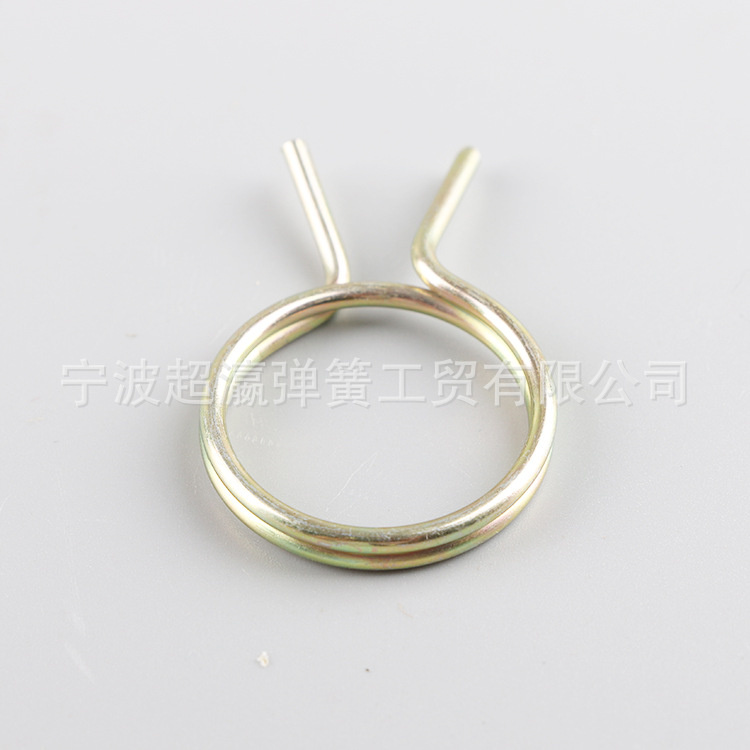
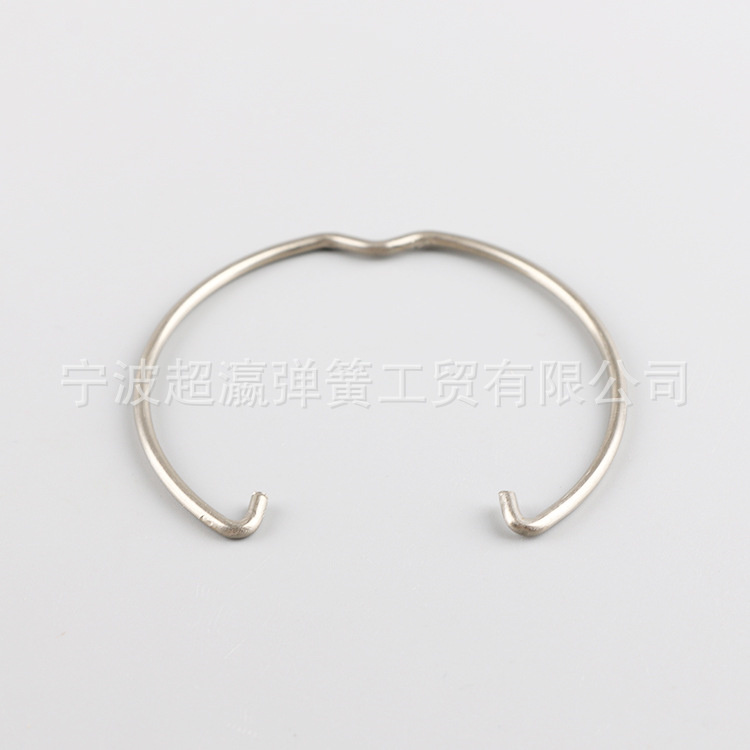
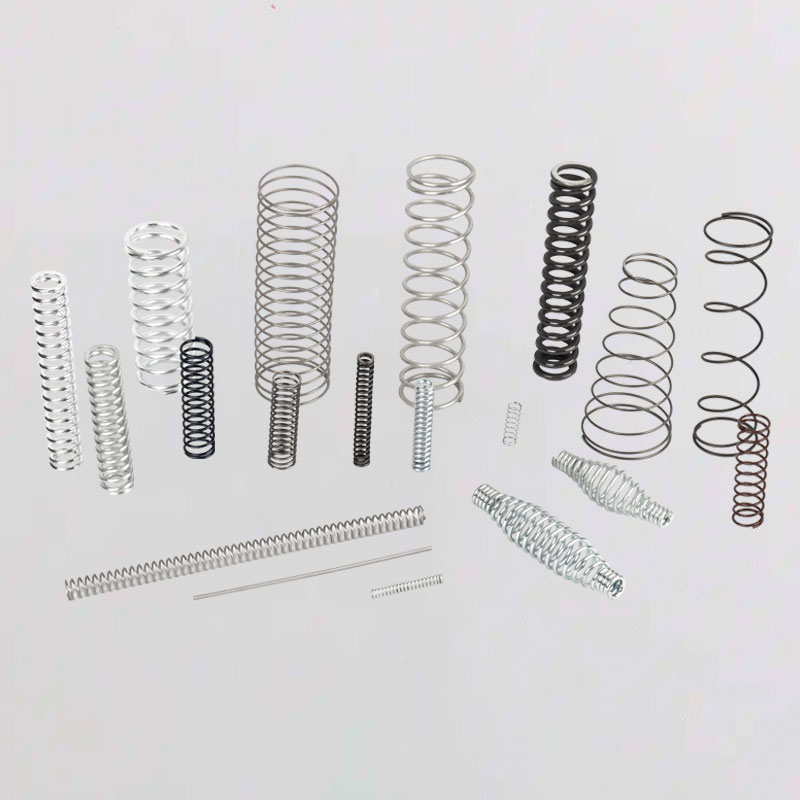
In the fields of precision machinery manufacturing, valve piping systems, and high-end hardware processing, Stainless Steel Springs serve as core transmission and reset components. Their performance directly determines the service life and operational stability of the entire equipment. Because they operate long-term under severe environments such as alternating stress, high temperatures, or corrosive media, spring failure often triggers major mechanical breakdowns.
How to select the appropriate Stainless Steel Springs for specific working conditions and effectively extend their fatigue life is a core challenge faced by technical personnel during procurement and design.
The physical and mechanical properties of Stainless Steel Springs depend primarily on their chemical composition and heat treatment processes. Commonly used materials in the industrial sector include austenitic stainless steels (such as 304 and 316) and precipitation-hardening stainless steels (such as 17-7PH/631). Below is a technical parameter comparison of these core materials:
| Material Grade | Tensile Strength (Rm, MPa) | Max Operating Temperature (°C) | Corrosion Resistance Rating | Primary Application Conditions |
| 304 (SUS304) | 1200 - 2000 (After cold hardening) | 250 | Moderate | General hardware, conventional valves, automotive components |
| 316 (SUS316) | 1100 - 1800 (After cold hardening) | 300 | Excellent (Chlorides resistant) | Marine engineering, chemical pipelines, medical devices |
| 17-7PH (631) | 1400 - 2100 (After aging heat treatment) | 340 | Good | Aerospace, high-load precision mechanical switches |
The parameter comparison shows that 304 material provides good versatility and cost-effectiveness. 316 material, with added molybdenum, exhibits strong resistance to pitting corrosion in acidic media containing chloride ions. 17-7PH material, after aging hardening, delivers outstanding tensile strength and fatigue resistance, making it suitable for high-stress cyclic environments.
In practical applications, technical personnel often find that even with the correct material selection, Stainless Steel Springs can still break before reaching their expected cycle count. This is usually closely related to stress concentration and surface defects during manufacturing.
The shot peening process uses a high-speed stream of projectiles to impact the surface of the Stainless Steel Springs. This causes plastic deformation on the surface layer and forms a residual compressive stress layer. This compressive stress layer effectively counteracts tensile stress during operation, preventing the initiation and propagation of surface microcracks, thereby significantly increasing the fatigue life of the spring.
Springs generate significant internal stress during the cold coiling process. If stress relieving annealing is not performed promptly, the springs are highly prone to geometric dimensional changes (creep) or early brittle fracture under load. Generally, austenitic Stainless Steel Springs require precise annealing treatment at 350°C to 400°C after forming to stabilize their geometric dimensions and spring force parameters.
In chemical, cleaning, and high-temperature or high-pressure environments, Stainless Steel Springs are highly susceptible to Stress Corrosion Cracking (SCC). This failure mode is extremely hidden, as the spring can break suddenly without any obvious signs of uniform corrosion.
Stress corrosion requires three simultaneous conditions: a sensitive material, a specific corrosive medium, and continuous tensile stress. To solve this problem, the following technical measures are typically implemented during production:
When designing and applying high-precision Stainless Steel Springs, strict spring stiffness and stress validation must be performed. The formula for calculating spring stiffness is:
K = (G * d^4) / (8 * Dm^3 * n)
In this formula:
In actual selection, minor deviations in the wire diameter will have a huge impact to the fourth power on the spring stiffness. Therefore, controlling wire diameter tolerances during manufacturing and precise grinding of active coils serve as the technical foundation to ensure high repeatability and stability of Stainless Steel Springs in automated assembly lines and precision instruments. Choosing high-standard manufacturing processes that pass quality system certifications like ISO 9001 can prevent mechanical failures caused by out-of-tolerance physical parameters from the source.
Related Products
Contact us
Factory Address
No. 8, Taoyuan South Road, Wuyuqiao, Henghe Town, Cixi City, Ningbo, China
Phone
+86-188 6787 1218+86-574-62605393
QR CODE
 Wholesale Stainless Steel Coil Springs Manufacturers