English
 English
 中文简体
中文简体
 Español
 Tiếng Việt
Get in touch
English
Get in touch
May 25, 2026
In various mechanical equipment, precision instruments, and industrial automation devices, springs serve as core elastic components. The selection of materials determines the stability and service life of the equipment. This article analyzes the selection logic for Stainless Steel Springs and conventional Steel Springs from the perspectives of material properties, mechanical performance, and environmental adaptability.
Conventional Steel Springs (primarily referring to carbon steel springs, such as music wire springs) play a significant role in industrial applications. Their core advantages lie in their high elastic modulus and yield strength. Due to higher carbon content, these springs perform excellently under high loads, high-frequency vibrations, and fatigue stress. In dry, room-temperature mechanical internal structures, carbon steel materials provide stable deformation recovery capabilities. However, they are prone to oxidation if humidity increases or corrosive media are present.
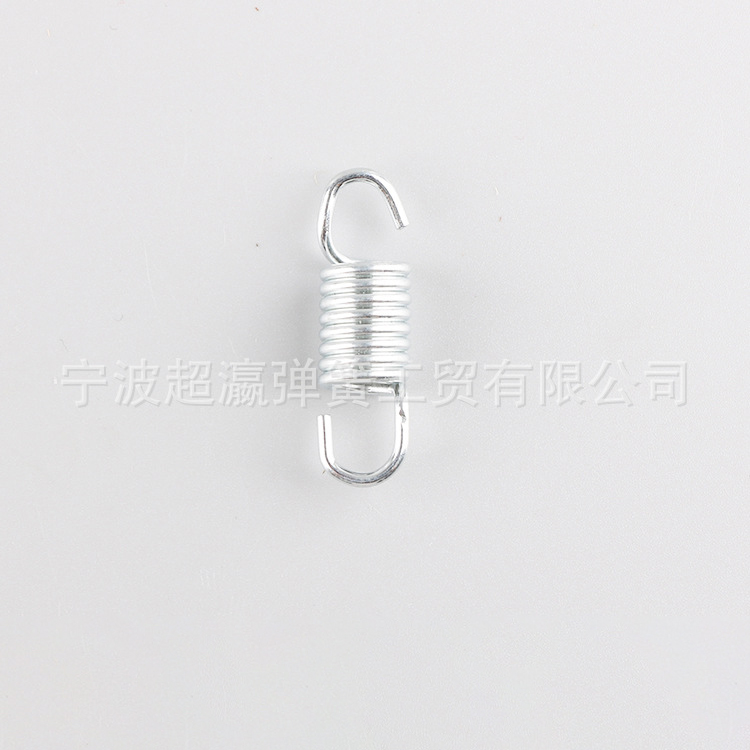
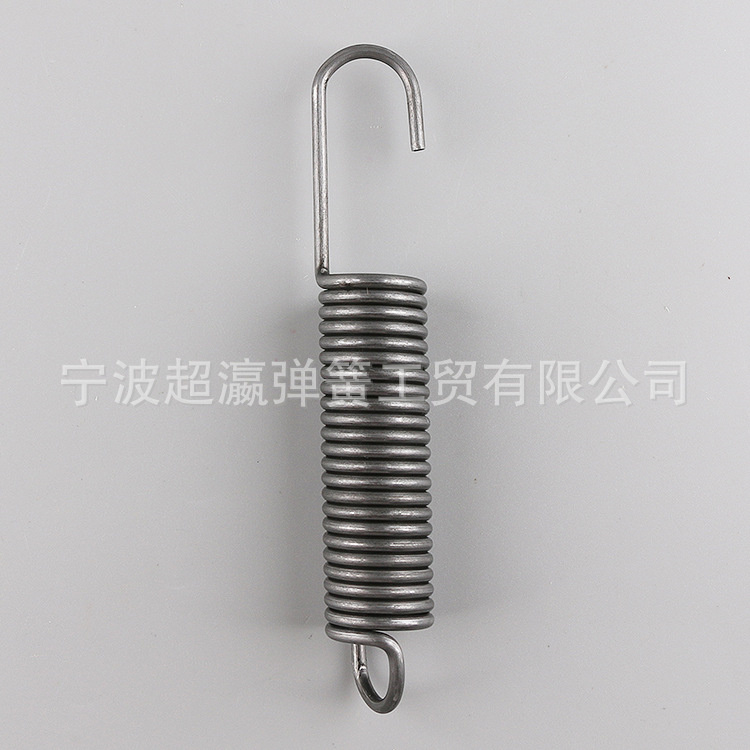
In contrast, Stainless Steel Springs offer excellent chemical stability. In environments involving water vapor, acid/alkali mists, or specific medical conditions, the passivation film on the surface of stainless steel effectively prevents oxidation. For Stainless Steel Extension Springs and Stainless Steel Torsion Spring applications, selecting the appropriate grade is critical. For instance, common 302/304 grades are suitable for general rust prevention, while in extreme environments, 316 Stainless Steel Springs are the preferred choice.
316 Stainless Steel Springs contain molybdenum, which significantly increases their resistance to pitting in chloride environments. In marine environments, chemical processing equipment, or cleanroom facilities, using 316 material prevents rust and flaking, ensuring the motion precision of precision machinery. Whether using Stainless Steel Coil Springs or custom-shaped components, 316 material provides long-term structural integrity.
| Performance Indicator | Steel Springs (Carbon Steel) | 304 Stainless Steel Springs | 316 Stainless Steel Springs |
| Tensile Strength | Very High | Medium-High | Medium |
| Corrosion Resistance | Low (requires coating) | High | Very High |
| Temperature Resistance | Average | Good | Excellent |
| Magnetism | Magnetic | Slightly Magnetic/Non-magnetic | Non-magnetic |
| Applicable Environment | Dry Indoor/Oil Lubrication | General Outdoor/Humid | Salt Spray/Chemical/Medical |
When designing Stainless Extension Spring, the force application at the hook is critical. Due to differences in hardness compared to carbon steel, sharp corners that cause stress concentration should be avoided. Additionally, under long-term extension, stainless steel materials exhibit good creep resistance, maintaining stable preload.
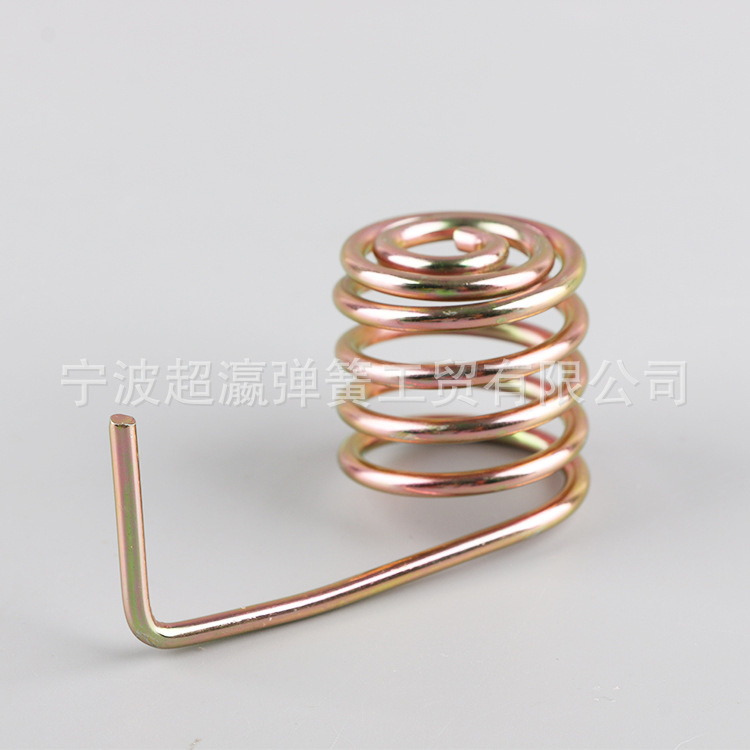
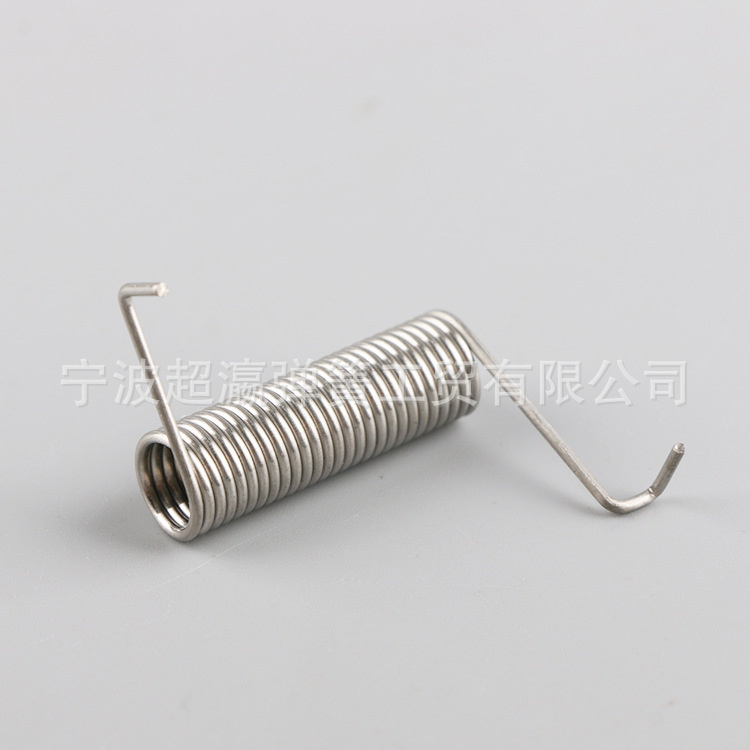
For Stainless Steel Torsion Spring, the design focus is on the distribution of internal stress generated by torque. When using stainless steel, pay attention to work hardening to ensure no brittle fracture occurs under repeated torsion.
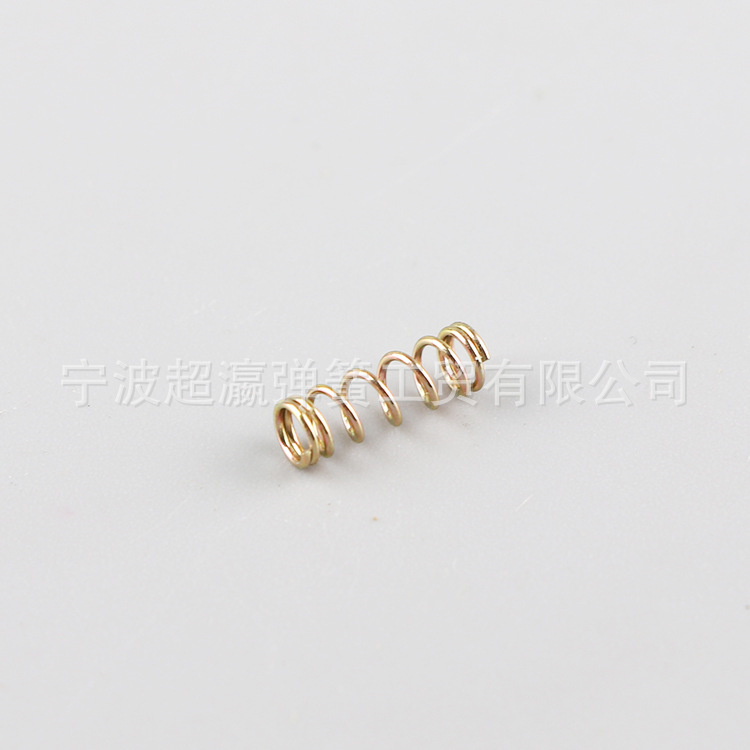
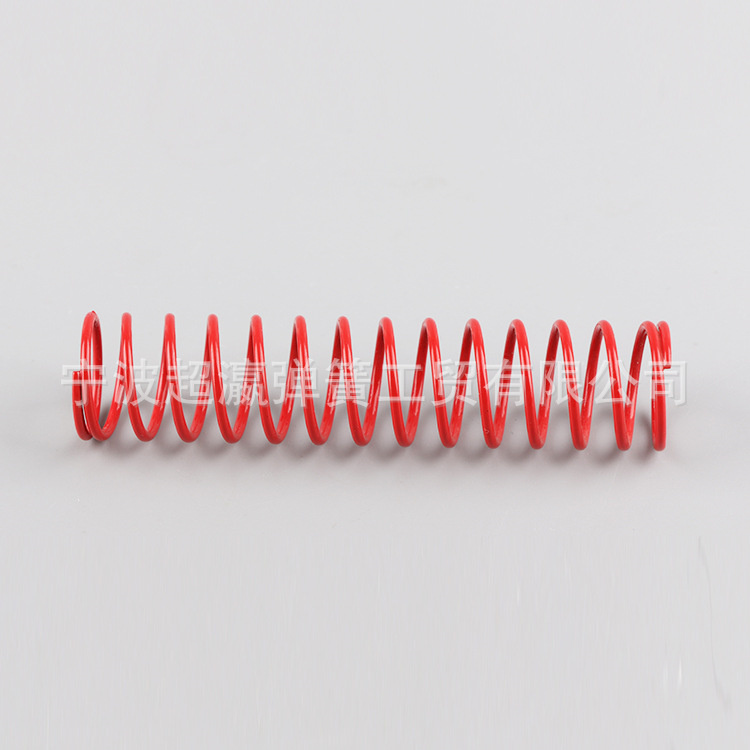
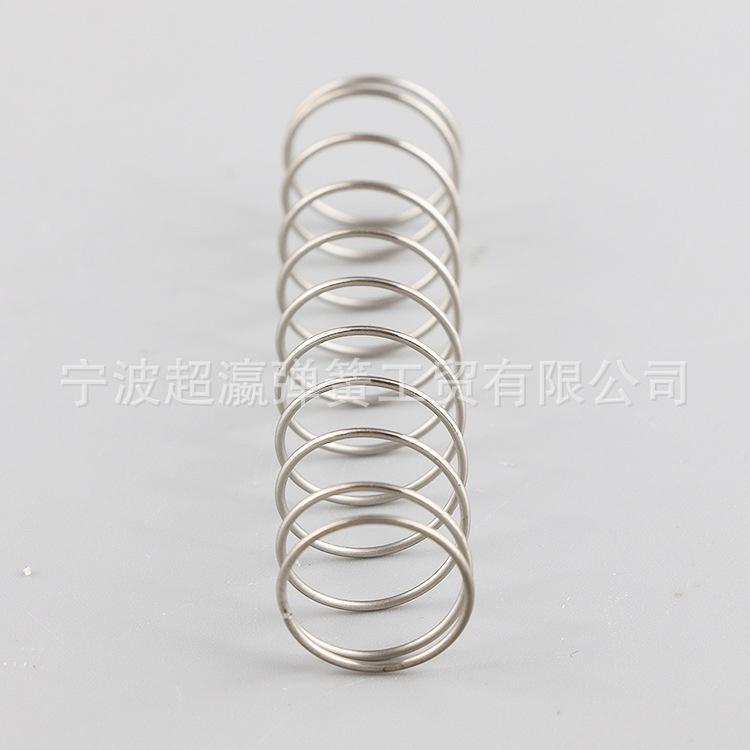
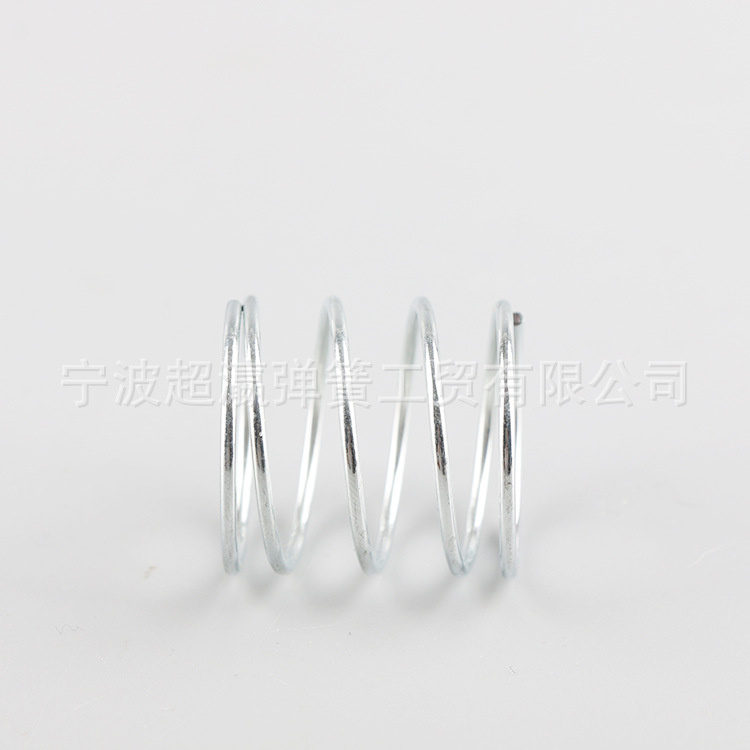
For Stainless Steel Coil Springs, the preload during assembly should be controlled within 80% of the elastic limit to prevent permanent deformation. Especially when used in confined spaces, ensure sufficient clearance between the spring's outer diameter and the inner hole wall to avoid damage to the passivation film caused by friction.
When selecting, engineers should follow these principles:
Environment First Principle: If the working environment has humidity greater than 60% or contains chemical media, exclude conventional Steel Springs and prioritize Stainless Springs.
Stress Loading Principle: For frequent high-stress loading, prioritize high-carbon steel; if the stress environment is moderate and requires high longevity, choose high-strength grade Stainless Steel Springs.
Space and Fatigue Principle: In the design of Stainless Steel Coil Springs, if space is limited, adjust the number of effective coils or wire diameter to distribute stress, rather than relying solely on material strength.
By deepening the understanding of Stainless Steel Extension Springs and various Stainless Steel Coil Springs, the overall reliability of equipment can be significantly improved. Selecting the appropriate spring material and structure for different application scenarios is the foundation for the long-term, efficient operation of precision machinery.
Related Products
Contact us
Factory Address
No. 8, Taoyuan South Road, Wuyuqiao, Henghe Town, Cixi City, Ningbo, China
Phone
+86-188 6787 1218+86-574-62605393
QR CODE
 Wholesale Stainless Steel Coil Springs Manufacturers