English
 English
 中文简体
中文简体
 Español
 Tiếng Việt
Get in touch
English
Get in touch
May 11, 2026
In mechanical design and industrial manufacturing, springs serve as core mechanical energy storage elements. Their selection directly impacts the stability and service life of the entire system. Whether it is a compression spring withstanding axial pressure or a torsion spring providing rotational torque, understanding key parameters and application scenarios is essential to ensuring high-efficiency equipment operation. This article analyzes the characteristics and selection points of different spring types from a professional engineering perspective.
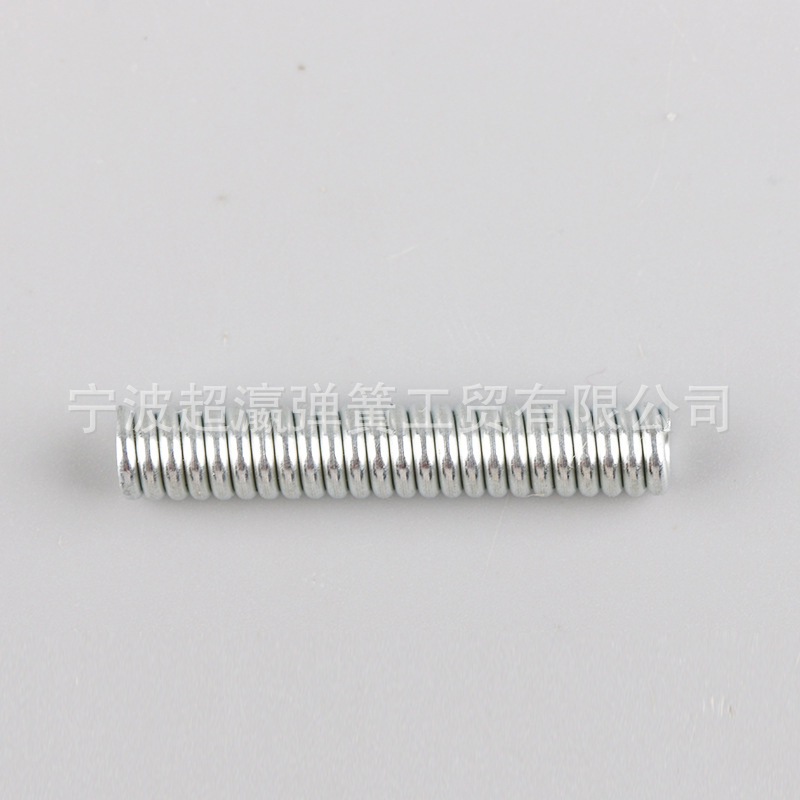
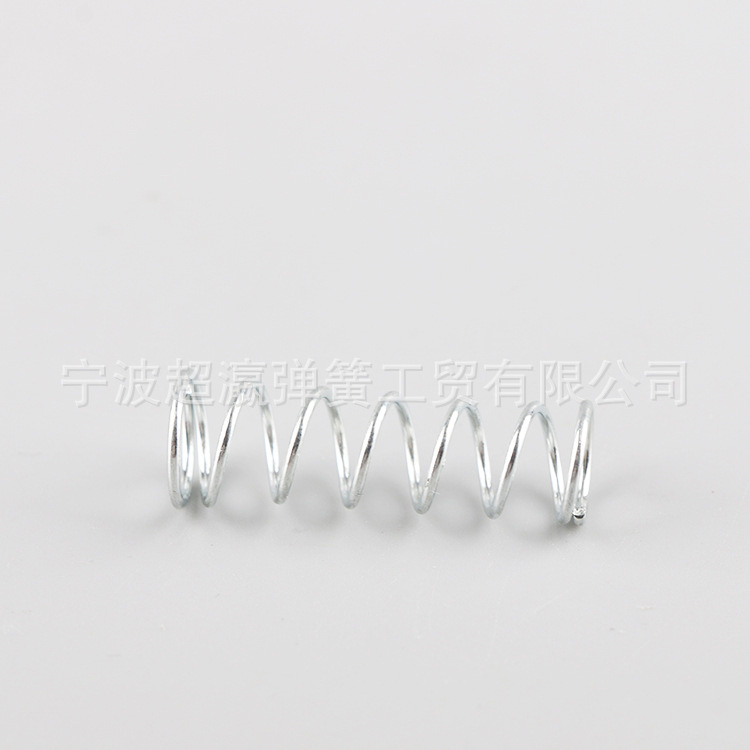
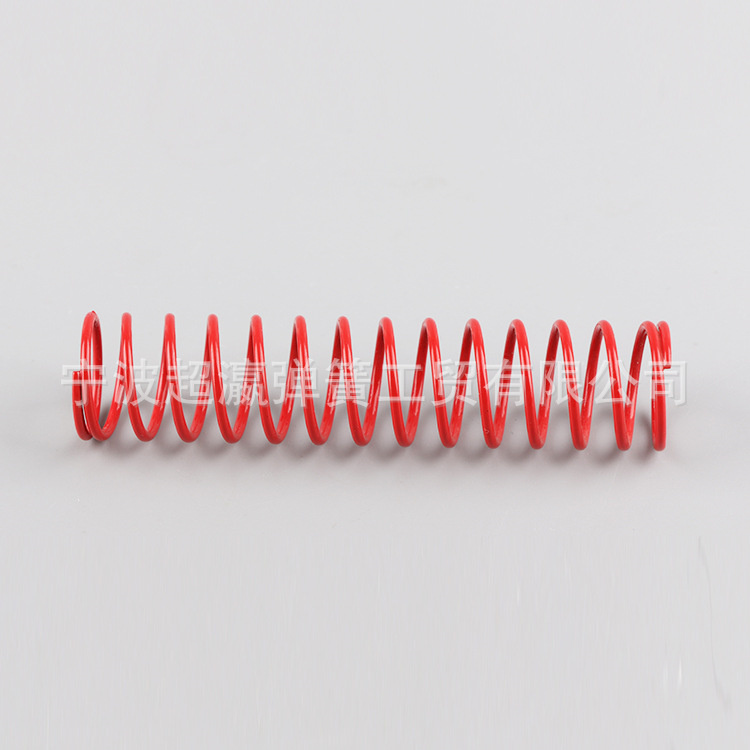
Compression springs are widely utilized in automotive, medical, aerospace, and electronic devices. In practical procurement and design, engineers must match them precisely based on space constraints and load requirements.
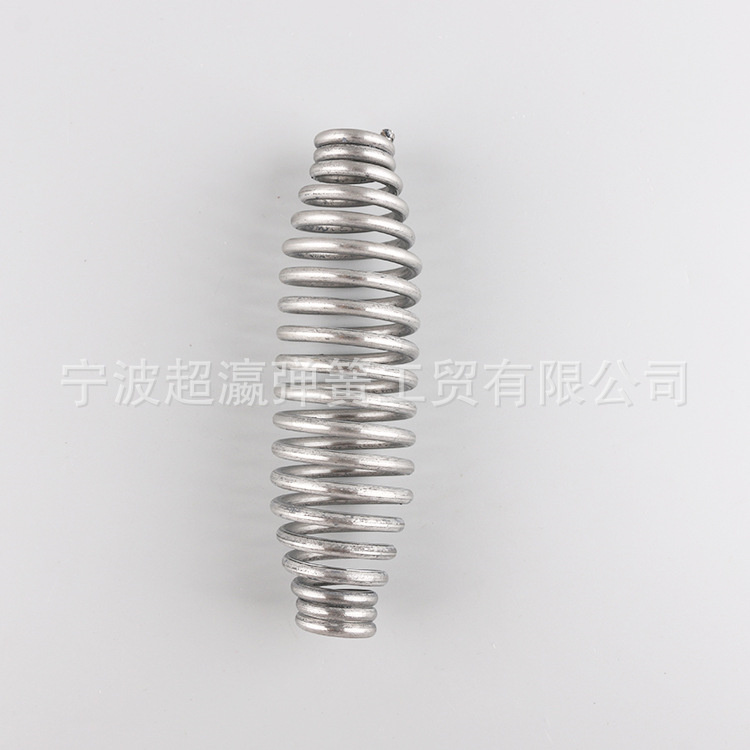
In heavy-load machinery, construction equipment, or valve actuators, heavy duty compression springs bear extremely high initial tension and fatigue resistance requirements. These springs are typically manufactured from large-wire-diameter, high-strength alloy steel (such as 50CrVa or 55CrSi). Their design focuses on:
Balance of Hardness and Toughness: Precise heat treatment processes ensure the springs do not undergo permanent deformation under high-frequency, heavy-load impacts. Extreme Environment Adaptability: Surface polishing, shot peening, or electrophoretic coating are often applied to enhance fatigue life.
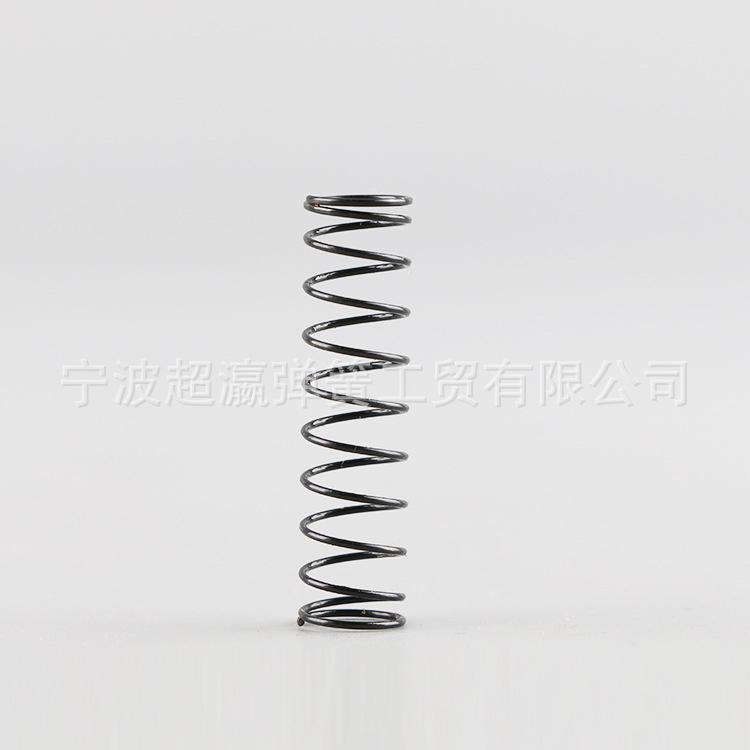
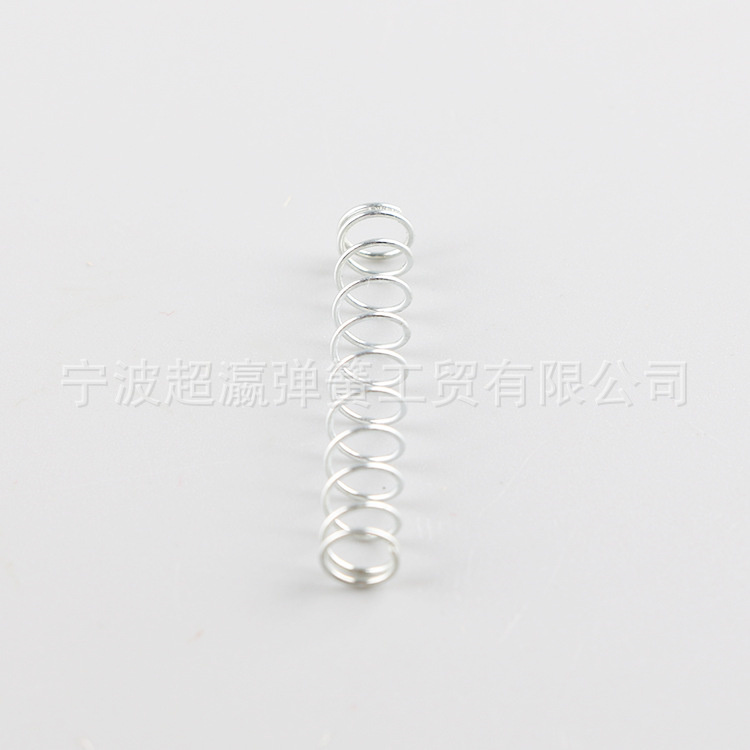
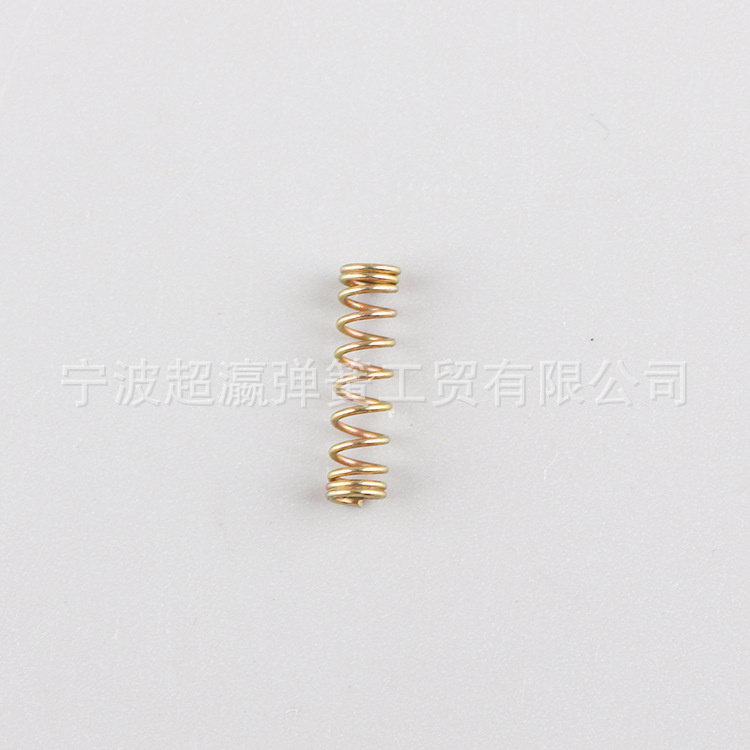
In contrast to heavy-duty springs, small compression springs are primarily used in precision instruments, micro switches, and medical devices. The wire diameter of these springs is usually between a few micrometers and a few millimeters, requiring extremely tight dimensional tolerances. Manufacturing them demands high-precision CNC automatic spring machines to ensure absolute uniformity in pitch and outer diameter, thereby providing minute yet precise elastic feedback force.
In humid, high-temperature, or chemically corrosive environments, conventional carbon spring steel is highly susceptible to rust and failure. Made typically from SUS304, SUS316, or 17-7PH, stainless steel compression springs have become the top choice for food processing, medical equipment, and marine engineering due to their excellent corrosion resistance and stable mechanical properties.
SUS316 compression springs perform exceptionally well against chloride corrosion, while 17-7PH provides higher tensile strength after precipitation hardening treatment.
During early R&D stages or equipment maintenance, establishing a clear reference table for compression springs by size can significantly shorten development cycles. Standard dimensional parameters typically include: wire diameter (d), outer diameter (Do), free length (L0), and total coils (Nt). By comparing these core dimensions, engineers can quickly match standard parts that fit the available space.
The table below demonstrates a technical parameter comparison across different compression spring tiers:
| Parameter Index | small compression springs | Standard Industrial Springs | heavy duty compression springs |
| Wire Diameter Range (d) | 0.1mm - 1.0mm | 1.2mm - 8.0mm | 8.5mm - 50.0mm and above |
| Common Materials | SUS304, Music Wire (SWP) | 65Mn, 70# Carbon Steel Wire | 55CrSi, 50CrVa, High-Strength Alloy Steel |
| Main Applications | Medical micro-valves, electronic switches, precision instruments | Automotive components, general machinery, jigs and fixtures | Mining machinery, heavy valves, railway damping systems |
| Surface Treatment | Blackening, light anti-rust oil | Zinc plating, nickel plating, electrophoresis | Shot peening, powder coating, DACROMET |
Torsion springs store and release angular energy through angular displacement. Based on their structure and operating trajectories, their application scenarios are distinctly differentiated.
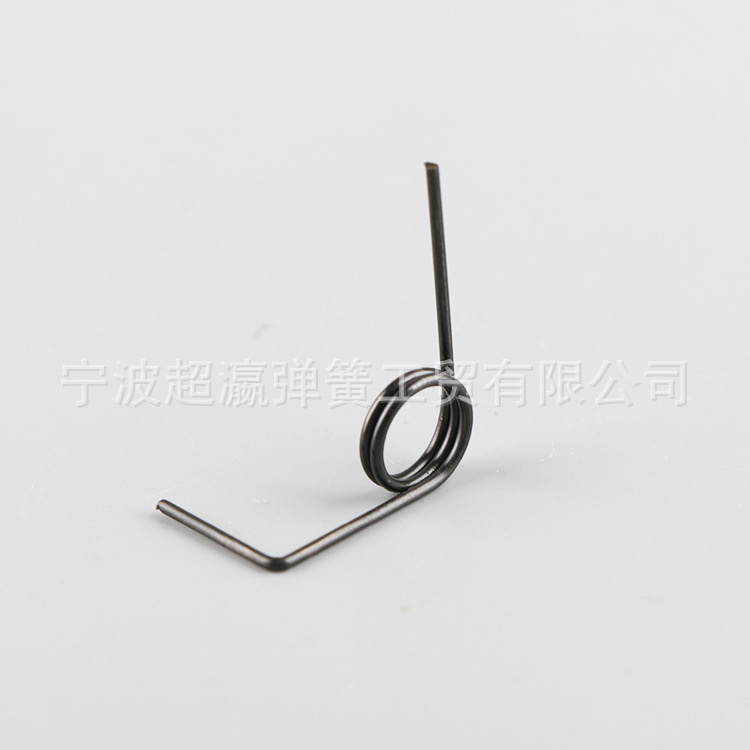
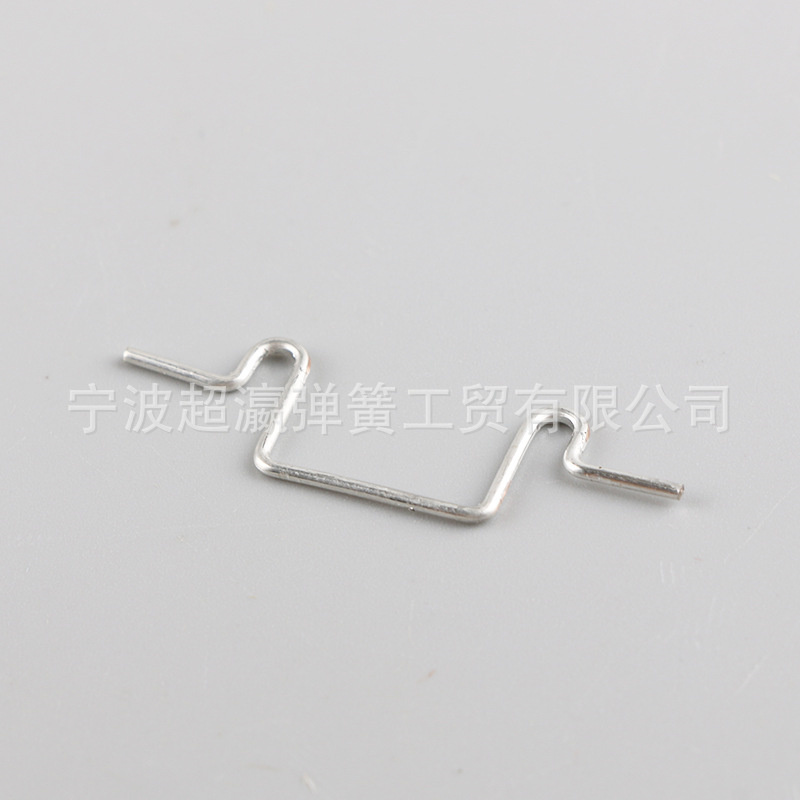
In computer flip covers, camera shutters, and small electronic locks, small torsion springs provide delicate and long-lasting rotational torque. Because these springs have a small footprint, the structural design of their ends (legs) is critical. Common end shapes include short hooks, straight torsion legs, and custom bends, which must ensure no interference occurs during rotation within the installation space.
In industrial roller shutter doors, heavy machinery suspensions, and car door balance systems, heavy duty torsion springs are the core components providing counterbalancing torque. These springs withstand enormous torsional shear stress during operation, making strict calculation of their spring rate per degree mandatory. Insufficient stiffness prevents the system from fully resetting, while excessive stiffness increases the load on the drive mechanism.
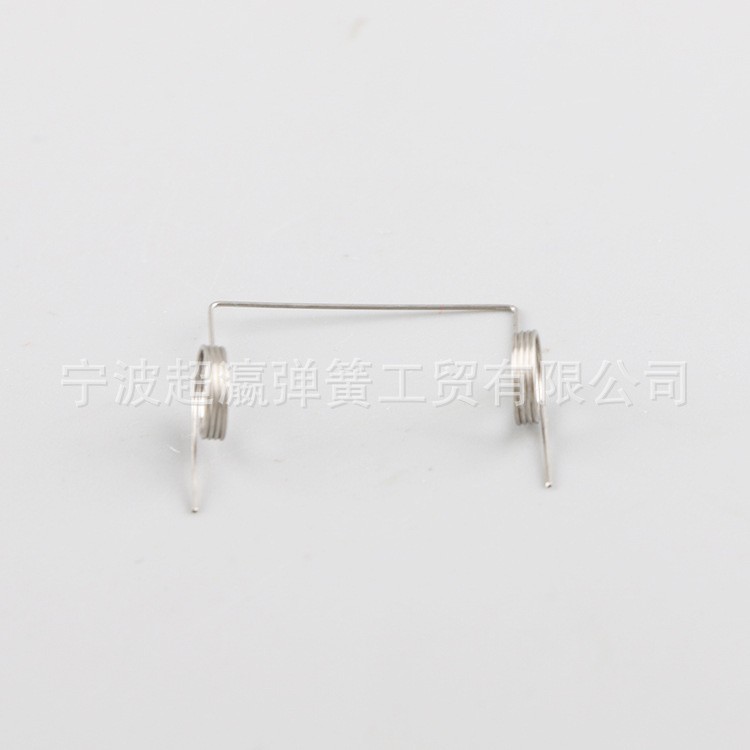
When a single torsion spring cannot provide sufficient torque, or when completely symmetrical force is required on both sides of the rotation axis, a double torsion spring is the perfect solution. It consists of two single torsion spring components wound in opposite directions and connected (usually by a central bridge section).
Structural Advantage: A double torsion spring functions like two torsion springs working in parallel, providing double the torque within the same space footprint. Stability: Because the forces on both sides are symmetrical, it effectively prevents the spring from shifting laterally during twisting, drastically improving the operational smoothness of the mechanism.
Unlike traditional helical torsion springs, the coils of a spiral torsion spring (planar scroll spring) are wound within the single same plane. The uniqueness of this structure lies in its ability to provide large-angle rotation and continuous constant torque under conditions where the outer diameter is limited but the axial space is extremely tight. It is commonly found in pointer resets for instrumentation, seat belt retractors, and clockwork drive mechanisms.
In practical applications, spring failure often leads to complete machine downtime. Understanding failure mechanisms helps in making correct decisions during the selection phase:
Fatigue Fracture: Frequently seen in springs operating under high-frequency cycles. Applying surface shot peening to heavy duty compression springs introduces residual compressive stress on the spring surface, significantly extending fatigue life. Stress Relaxation: When a spring is under high stress for a long period, its free length or torsion angle gradually decreases. Selecting premium stainless steel compression springs and applying setting treatment can effectively mitigate stress relaxation. Resonance Damage: When the operating frequency of the equipment matches or nears the natural frequency of the spring, resonance triggers sudden spring breakage. Designs should ensure the natural frequency of the spring is at least 13 times higher than the operating frequency.
Whether dealing with small torsion springs required for precision instruments or heavy duty torsion springs engineered for maximum mechanical resistance, accurate technical parameter matching and proper material selection constitute the bedrock of high-reliability mechanical systems. Introducing professional spring mechanics simulation in the early design phase, combined with optimized standard size libraries, enables superior mechanism performance at a lower cost.
Related Products
Contact us
Factory Address
No. 8, Taoyuan South Road, Wuyuqiao, Henghe Town, Cixi City, Ningbo, China
Phone
+86-188 6787 1218+86-574-62605393
QR CODE
 Wholesale Stainless Steel Coil Springs Manufacturers