English
 English
 中文简体
中文简体
 Español
 Tiếng Việt
Get in touch
English
Get in touch
May 04, 2026
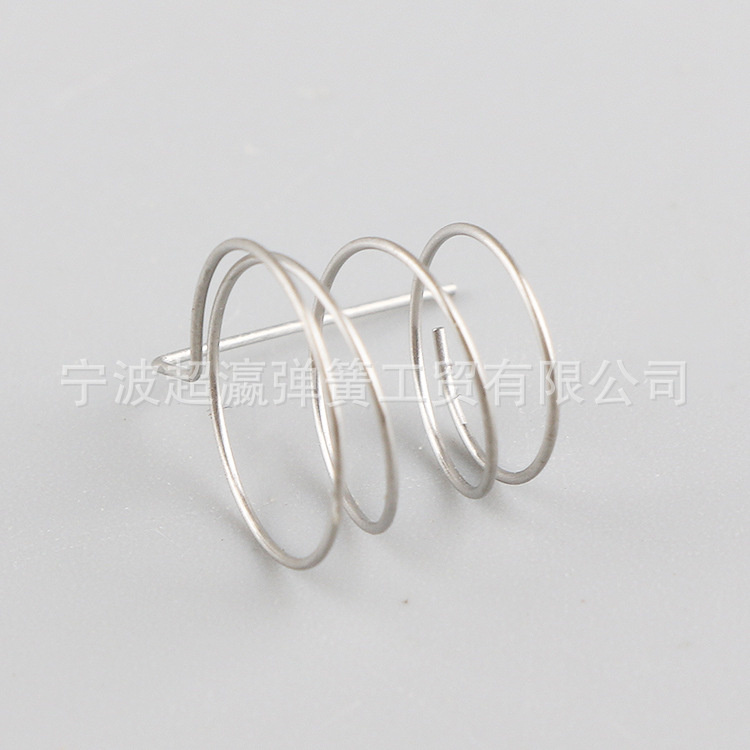
The stability and service life of components in the field of modern architectural hardware and industrial door control directly determine the core competitiveness of the final product. As the power source of the door closing and return system, the material selection and physical properties of the door pull back spring are the keys to ensuring that the door leaf can open and close smoothly and reset accurately. Among them, the pullback spring developed based on high-performance Stainless Steel Spring material has become a recognized high-standard solution in the industry due to its excellent corrosion resistance and fatigue strength.
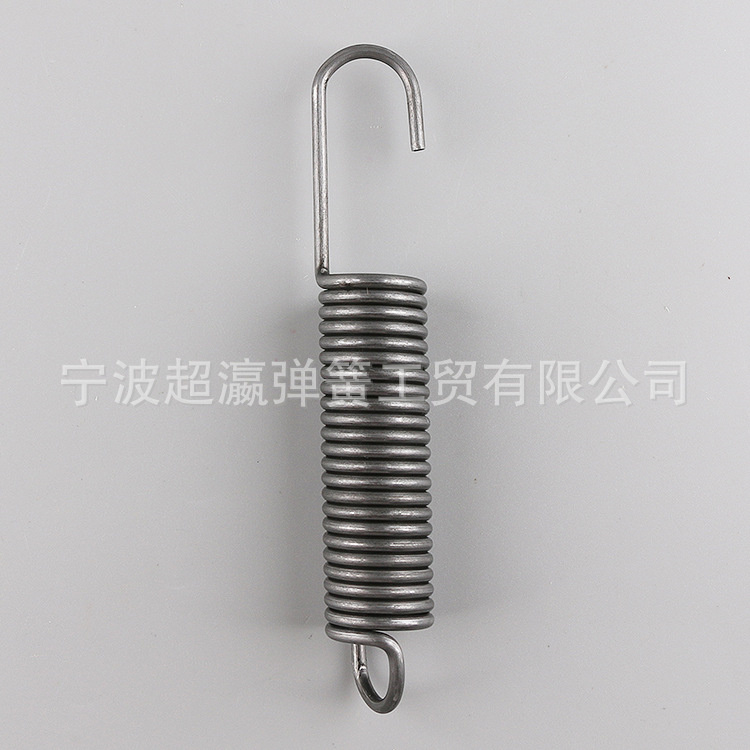
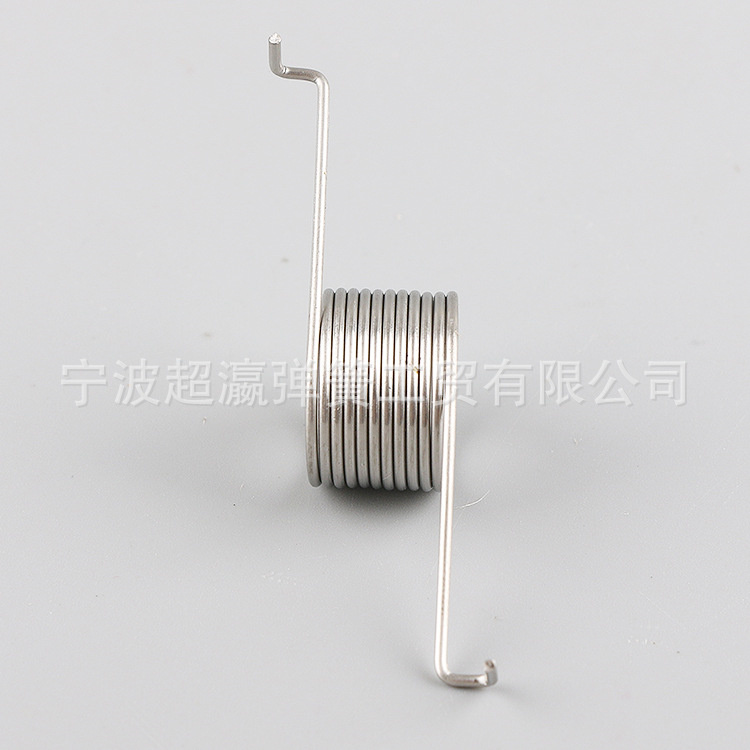
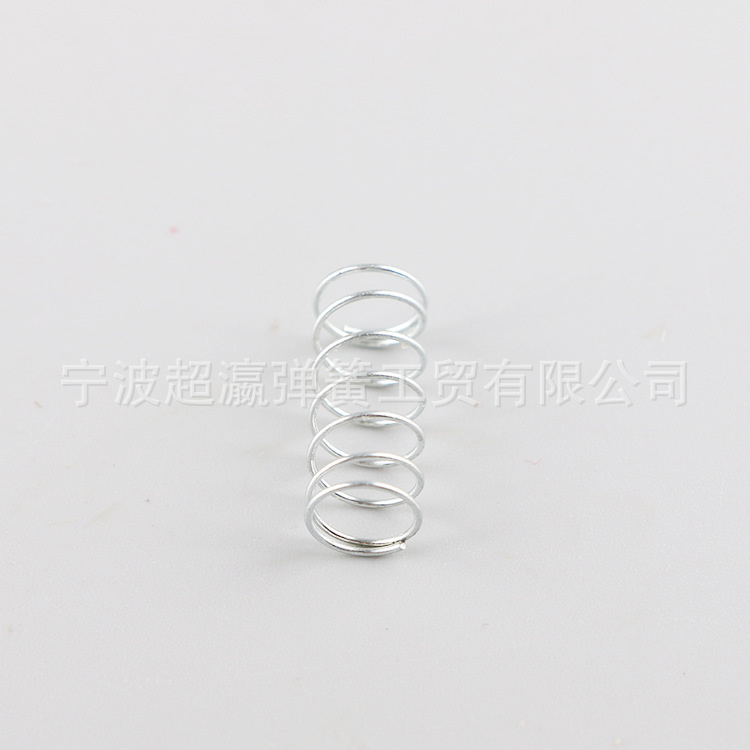
The door pull back spring mainly carries the task of energy storage and release after the door leaf is opened. When an external force pushes the door leaf open, the internal pullback spring is stretched or twisted, storing energy in the molecular structure of the spring steel. Once the external force is removed, the spring must provide a constant and controllable return force to ensure that the door leaf returns to the closed position at a uniform speed.
Advanced springs manufactured using Stainless Steel Spring usually have wire diameter accuracy controlled within an extremely small tolerance range. This precision manufacturing ensures the linear output of the return force (Rate), effectively avoiding vibration or improper closing of the door leaf during the resetting process.
In practical applications, environmental humidity, opening frequency, and load size put strict requirements on the performance of the pullback spring. The following is a comparison of mainstream materials on the market with professional-grade Stainless Steel Spring in key physical parameters:
| Physical Performance Index | Carbon Steel | Stainless Steel Spring (SUS304/316) | Performance Impact |
|---|---|---|---|
| Tensile Strength (MPa) | 1200 - 1900 | 1300 - 2000 | Determines the maximum load capacity of the pullback spring |
| Corrosion Resistance | Very Low (Easy to rust) | Very High (Oxidation/Acid/Alkali resistant) | Determines service life in humid or outdoor environments |
| Fatigue Life (Cycles) | 200,000 - 500,000 | 1,000,000+ | Affects the replacement cycle of the door pull back spring |
| Working Temperature Range | -20C to 120C | -196C to 300C | Ensures mechanical stability in extreme climates |
Comparison shows that Stainless Steel Spring maintains stable initial tension under long-term high-frequency operation and does not have the risk of fracture due to oxidative corrosion. It is the cornerstone for achieving maintenance-free operation of the door pull back spring.
To improve the response speed of the pullback spring, precise stress relief treatment is required during the manufacturing process. High-quality Stainless Steel Spring undergoes heat treatment after winding to adjust the crystal structure, ensuring that the spring does not undergo permanent deformation (Set) after repeated stretching.
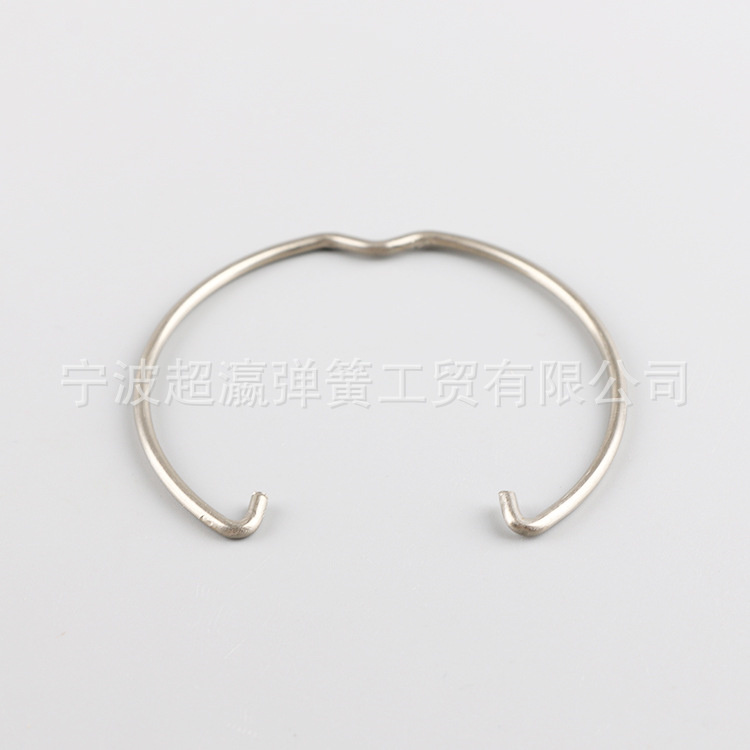
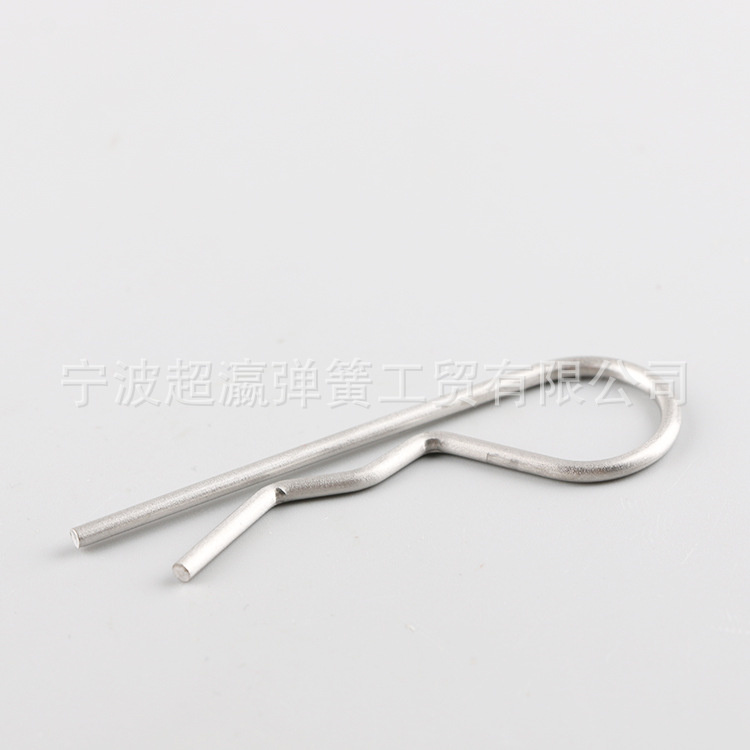
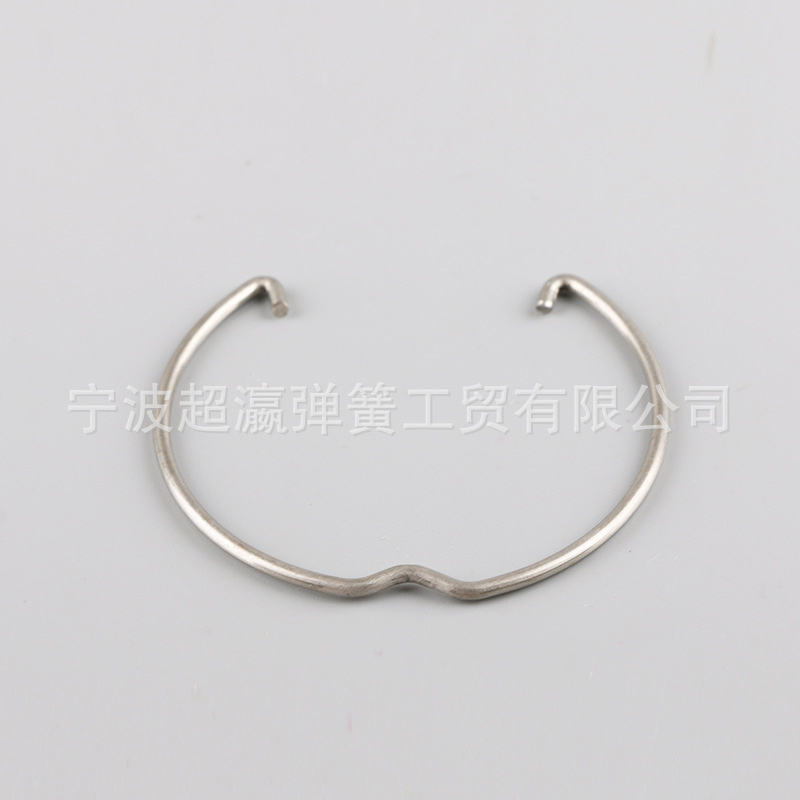
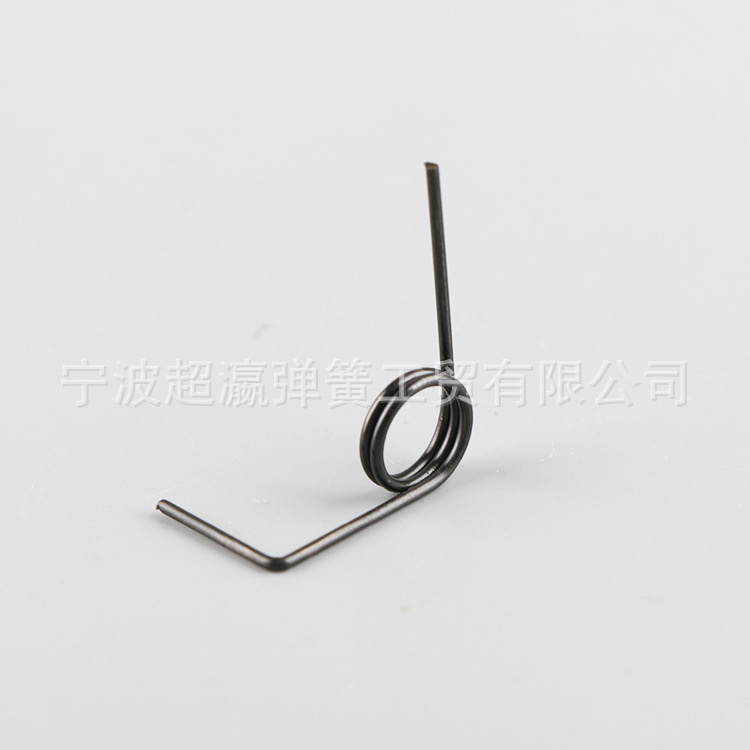
In addition, the loop/hook design of the door pull back spring is also crucial. The hook part of the pullback spring formed by the cold coiling process can withstand higher stress concentration, effectively preventing falling off or breaking under high load working conditions. This process, combined with the toughness of Stainless Steel Spring, greatly enhances the overall safety of the door control system.
During the use of door control products, users often face problems such as spring force attenuation or frictional noise. The core to solving this problem lies in controlling the surface roughness and lubrication performance of the Stainless Steel Spring.
Surface Passivation Treatment: Professional Stainless Steel Spring will be soaked in passivation liquid to form a dense chromium oxide film. This not only enhances corrosion resistance but also minimizes friction resistance during the expansion and contraction of the pullback spring.
Pre-stretching Test: Conducting 3-5 limit stretching tests before the door pull back spring leaves the factory can eliminate initial stress and ensure that the force value of the pullback spring after installation is in the best stable period.
Wire Diameter Balance Ratio: By accurately calculating the ratio of the mean diameter to the wire diameter (Spring Index), the stiffness of the Stainless Steel Spring can be optimized, reducing the collision noise with the duct or bracket during movement.
For different application scenarios, the configuration of the door pull back spring needs to follow strict selection logic. In coastal high salt spray environments or medical purification workshops, it is recommended to choose Stainless Steel Spring of SUS316 grade or above to cope with harsh chemical cleaning and air oxidation.
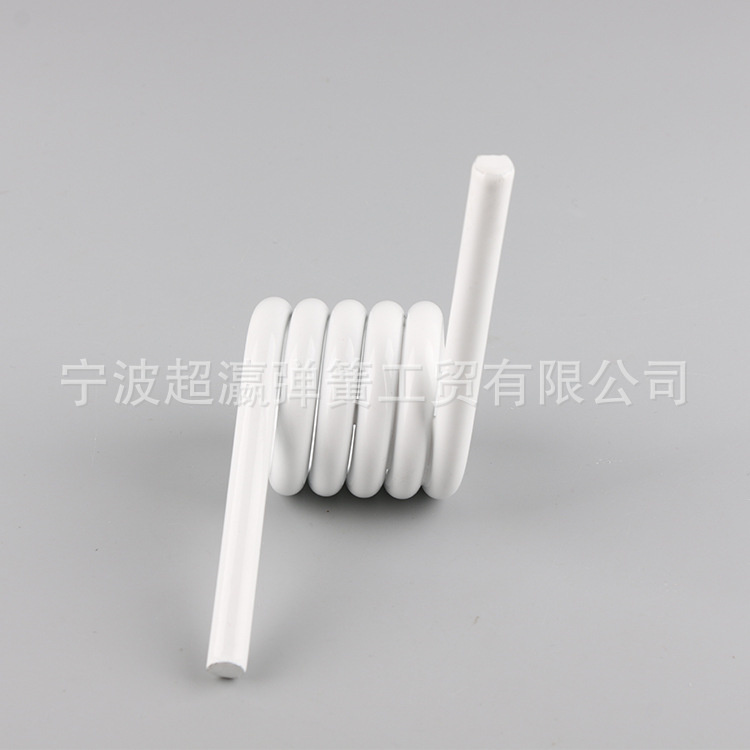
For extra-heavy door bodies, the design of the pullback spring should adopt a multi-strand winding or variable diameter structure. This structure can effectively disperse the bearing pressure of a single wire, giving full play to the linear recovery characteristics of Stainless Steel Spring under high pressure, ensuring that the door pull back spring can still maintain force fluctuations within +/- 5% after tens of thousands of openings and closings.
In-depth research on the material characteristics of Stainless Steel Spring and applying it to the research and development of door pull back spring is the core path to improving the precision and reliability of door control systems. Through scientific parameter matching and strict process control, high-quality pullback spring can provide long-term and stable power guarantee for various door control needs under complex environments.
Related Products
Contact us
Factory Address
No. 8, Taoyuan South Road, Wuyuqiao, Henghe Town, Cixi City, Ningbo, China
Phone
+86-188 6787 1218+86-574-62605393
QR CODE
 Wholesale Stainless Steel Coil Springs Manufacturers