English
 English
 中文简体
中文简体
 Español
 Tiếng Việt
Get in touch
English
Get in touch
Apr 27, 2026
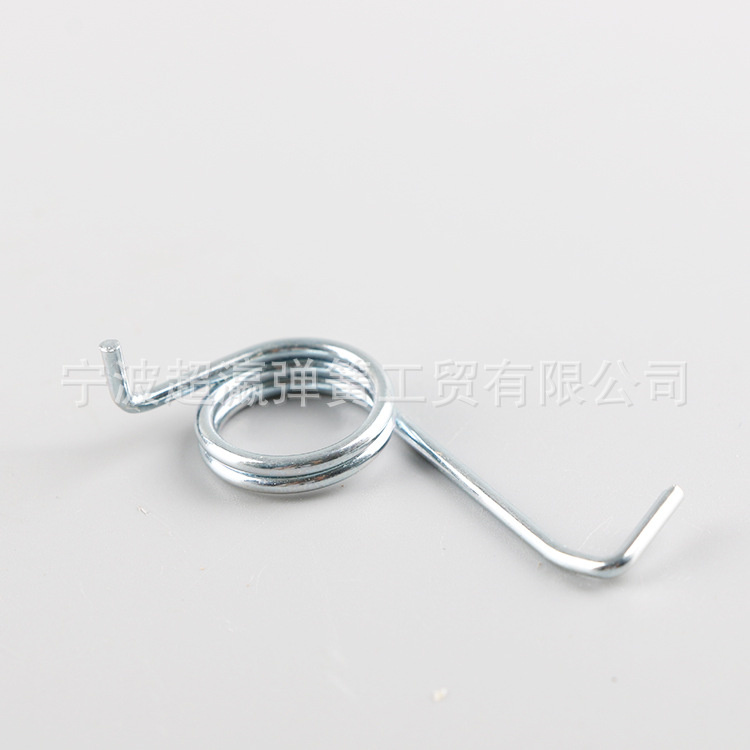
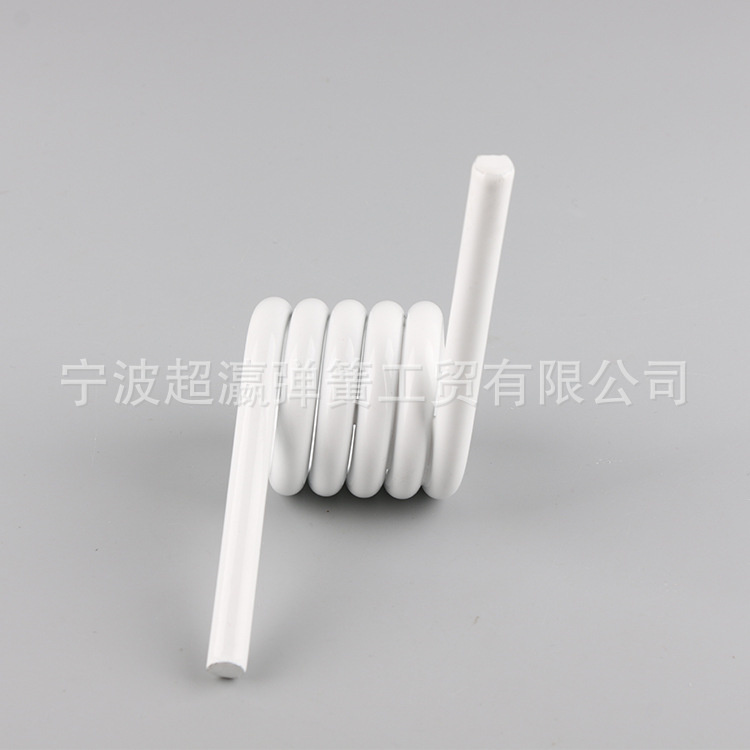
Stainless steel torsion springs are widely used in various industries, including automotive, machinery manufacturing, and electronics. However, due to their complex working environment, many misconceptions and mistakes arise during the design and application of torsion springs, which can affect their performance and even cause premature failure. This article analyzes the common misconceptions and mistakes that impact the performance of stainless steel torsion springs.
Many people overly focus on the tensile strength of materials when selecting stainless steel torsion springs, believing that the higher the tensile strength, the better the spring's performance. However, tensile strength is only one indicator of material performance. For stainless steel torsion springs, elastic modulus and fatigue life are more important. Over-relying on tensile strength may overlook the matching of elastic properties and fatigue resistance, resulting in unstable performance of the spring in actual applications.
Some designers believe that choosing smaller stainless steel torsion springs will save space and reduce costs, but this is not always correct. Torsion springs that are too small may not withstand the required load, leading to failure or deformation. Especially in high-load or high-frequency environments, smaller sizes can result in excessive stress concentration, which affects the spring's elasticity and service life. Therefore, selecting the correct size and design requirements is crucial.
While stainless steel materials are known for their corrosion resistance, different working environments require different surface treatments. Neglecting surface treatment may lead to surface defects, scratches, and corrosion, ultimately impacting the spring's performance and lifespan. In environments with high humidity, corrosive gases, or chemicals, surface treatment is particularly important. Common surface treatments include electroplating, phosphating, and coating. Proper surface treatment not only enhances corrosion resistance but also improves wear resistance.
In some applications, torsion springs are required to provide high elastic torque, and designers often excessively preload the spring. However, excessive preload can lead to premature fatigue of the spring, reducing its fatigue life. Moreover, excessive preload results in large initial deformation, which generates significant stress during actual operation, compromising the spring's stability. The correct approach is to adjust the preload according to actual needs to ensure optimal spring performance.
Incorrect installation methods can significantly impact the performance of stainless steel torsion springs. For example, if the spring's axis is not aligned with the load direction during installation, or if the spring is subjected to excessive external force during installation, it can lead to failure. Overbending or overstretching the spring also affects its elasticity, causing deformation or breakage. Therefore, installation should strictly follow design requirements to ensure the spring operates in its intended working condition.
Stainless steel torsion springs may experience load variations during use, especially in dynamic working conditions where load fluctuations can greatly impact performance. Many people fail to consider load changes during the design process, resulting in springs that cannot adapt to actual working conditions. In practice, torsion springs need to be adjusted according to load variations, so it's essential to account for the load variation range during design to ensure stable operation under different working states.
Although stainless steel torsion springs are known for their excellent corrosion resistance, different working environments require different material grades. For instance, certain high-temperature or highly corrosive environments demand specific stainless steel grades, such as 304 or 316 stainless steel. Failing to select the appropriate material for a specific environment can result in reduced spring performance or failure. Furthermore, some stainless steel materials may experience annealing in high-temperature environments, leading to a loss of elasticity. Therefore, material selection should consider the working environment and usage requirements.
Stainless steel torsion springs are subjected to repeated loads over time, which can cause fatigue damage. Without sufficient fatigue testing, it may be difficult to accurately assess the spring's service life and its performance under high-frequency working conditions. To ensure the stability and reliability of torsion springs, sufficient fatigue tests should be conducted during design and selection to simulate real-world operating conditions and avoid premature failure due to fatigue.
Related Products
Contact us
Factory Address
No. 8, Taoyuan South Road, Wuyuqiao, Henghe Town, Cixi City, Ningbo, China
Phone
+86-188 6787 1218+86-574-62605393
QR CODE
 Wholesale Stainless Steel Coil Springs Manufacturers