English
 English
 中文简体
中文简体
 Español
 Tiếng Việt
Get in touch
English
Get in touch
Jun 29, 2026
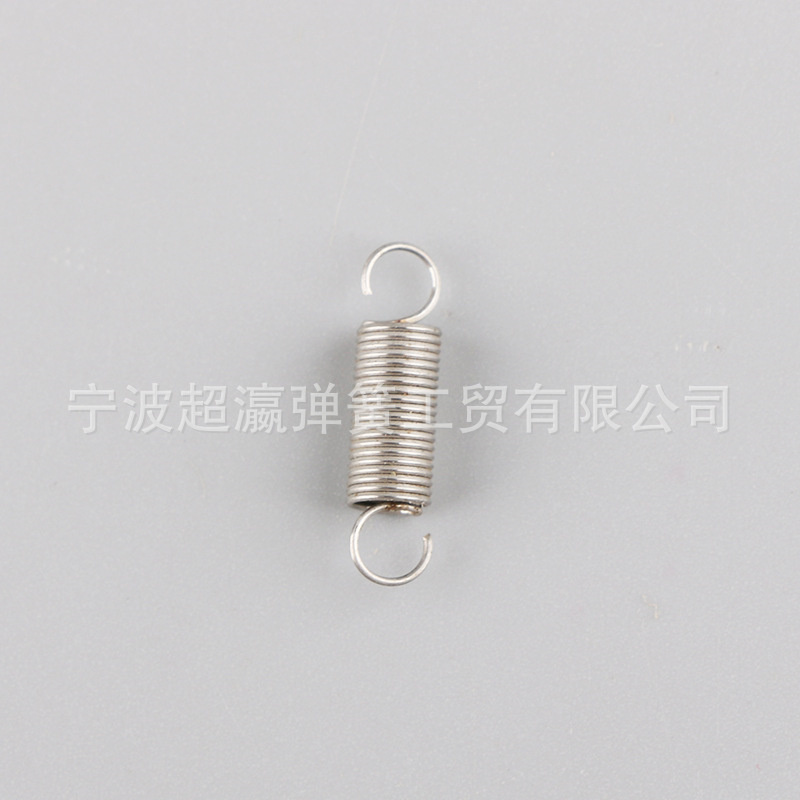
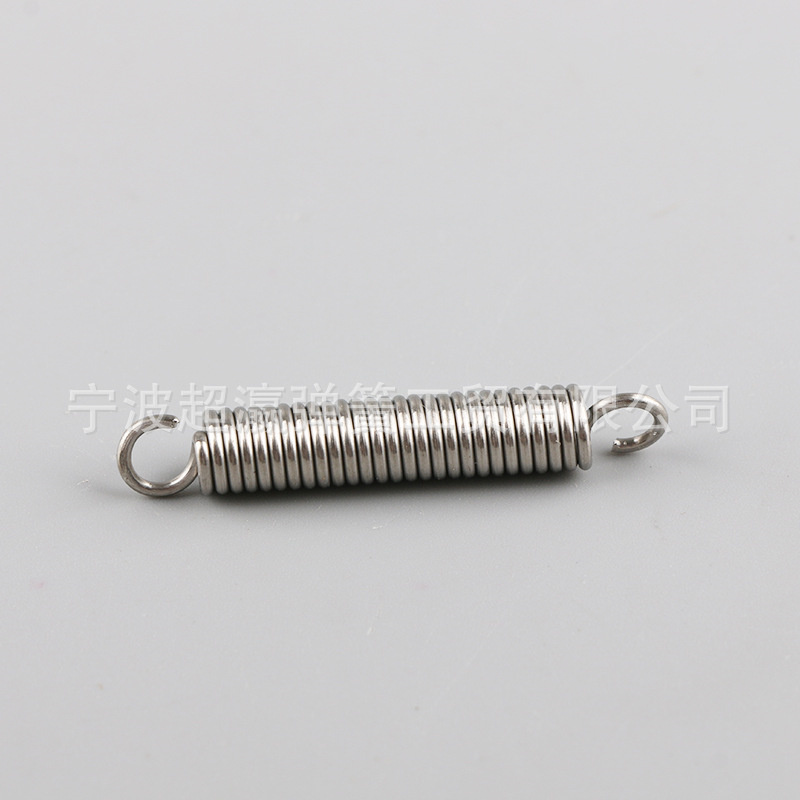
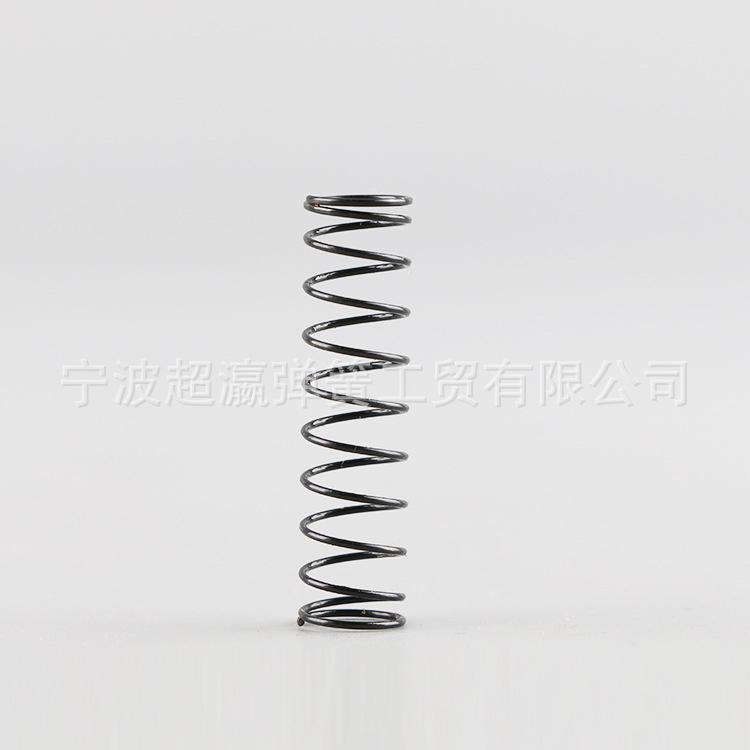
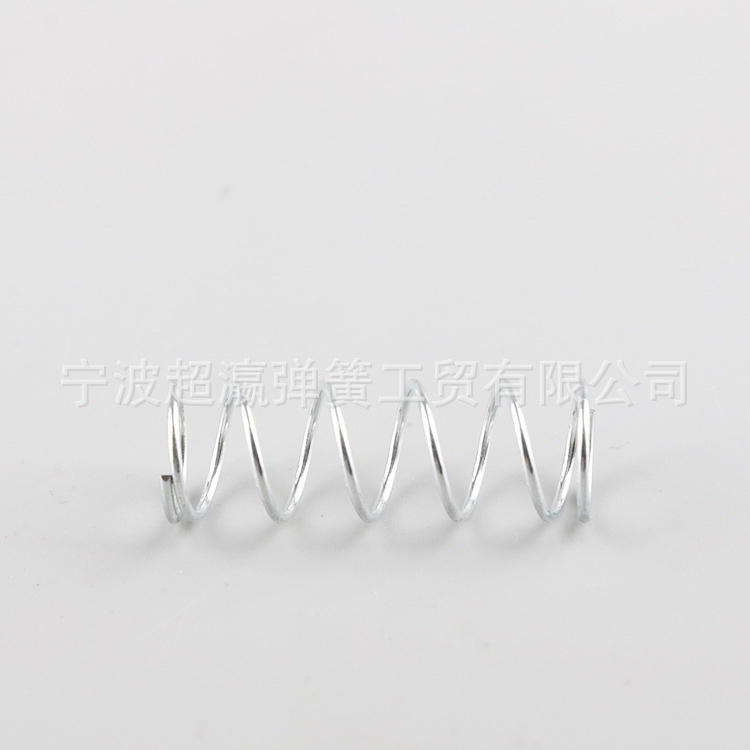
In the fields of precision machinery, watchmaking, and industrial fasteners, the choice of material directly determines the service life and reliability of components. As a high-performance elastic element, stainless steel spring plays a core role in various harsh operating conditions. Understanding the essential attributes of these components is crucial for improving equipment assembly quality and after-sales service levels.
Strictly speaking, the answer to is spring steel stainless is generally no. Traditional spring steel is mainly manufactured by increasing the carbon content to achieve high yield strength and high elastic modulus. Its core advantage lies in excellent mechanical properties, rather than corrosion resistance.
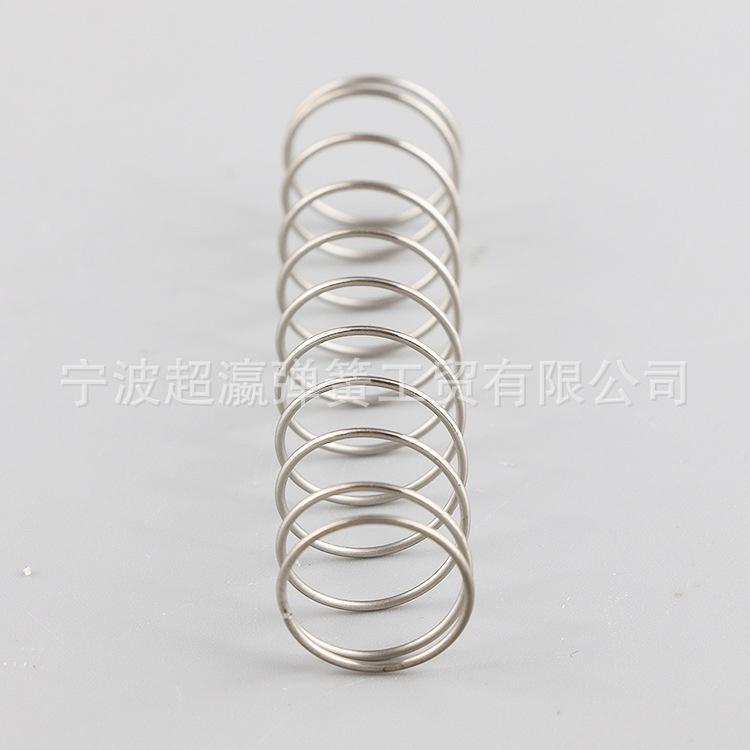
In contrast, stainless steel spring is manufactured using stainless steel alloys. Its essence is to add elements such as chromium and nickel to form a dense chromium oxide protective film on the metal surface. Therefore, when design engineers evaluate whether to use a stainless steel spring, they must weigh the requirements for a corrosion-resistant environment against the requirements for high mechanical fatigue loads.
Many users care about the technical issue of are stainless steel springs magnetic. The magnetism of stainless steel depends on its metallographic structure:
Austenitic stainless steel (e.g., 302, 304, 316) is usually non-magnetic or weakly magnetic in the annealed state. However, during the cold working process (such as winding metal wire into a spring), the spring often exhibits obvious magnetism due to stress-induced martensitic transformation. Martensitic stainless steel (e.g., 420, 440) usually has strong magnetism.
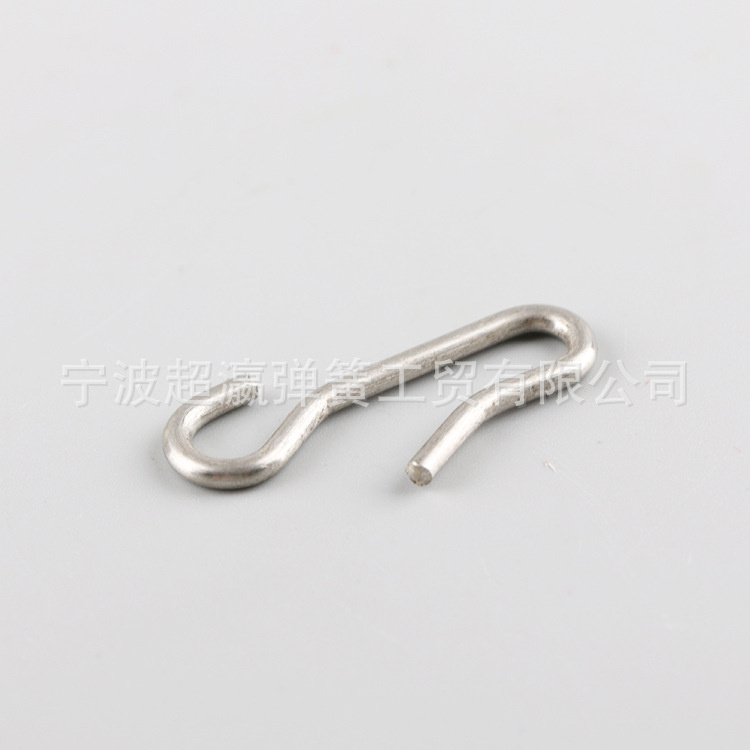
In the high-end watchmaking industry, even for top-tier gold watches, the core connecting part, the spring bar, is rarely made of gold. The reason is that gold material is too soft to withstand the elastic pressure required to connect the watch case to the watch strap.
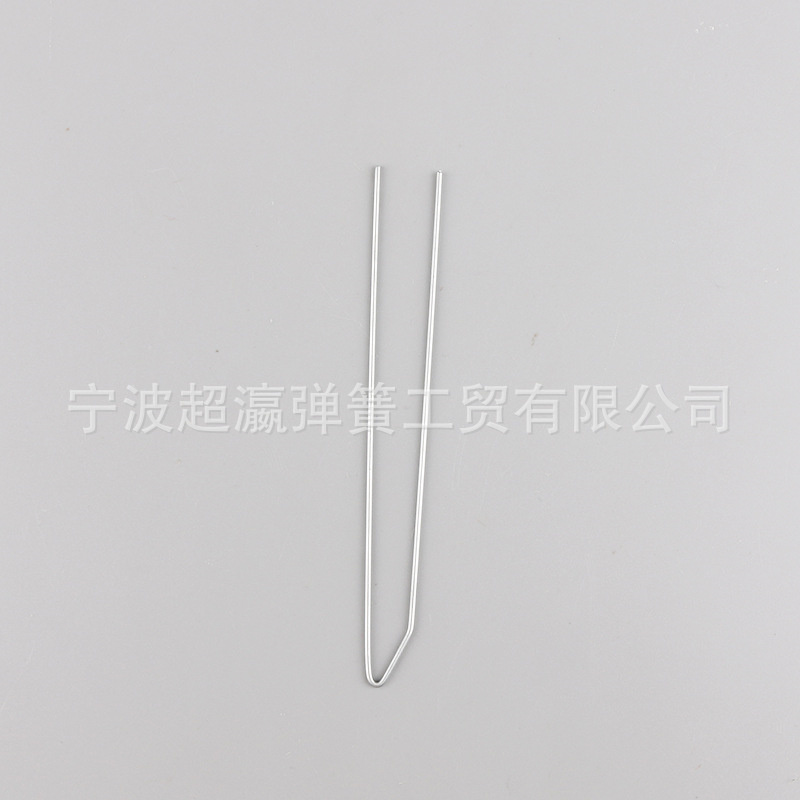
The vast majority of gold watches are equipped with a stainless steel spring bar to ensure the strength and corrosion resistance of the connection. No matter how expensive the watch case material is, the answer to the question can a stainless steel watch band use spring bar is yes. The stainless steel spring bar has become the industry standard configuration for connecting a stainless steel watch band.
As a dedicated manufacturing facility, we recognize that selecting a stainless steel spring involves a deep understanding of application-specific performance metrics. To assist our global clients in making informed engineering decisions, we provide the following technical overview of our production standards.
| Alloy Grade | Best Suited Application | Corrosion Resistance | Fatigue Limit |
| 302/304 Stainless | General Industrial / Watch Components | Excellent | Standard |
| 316 Stainless | Marine / High-Humidity Environments | Superior | Standard |
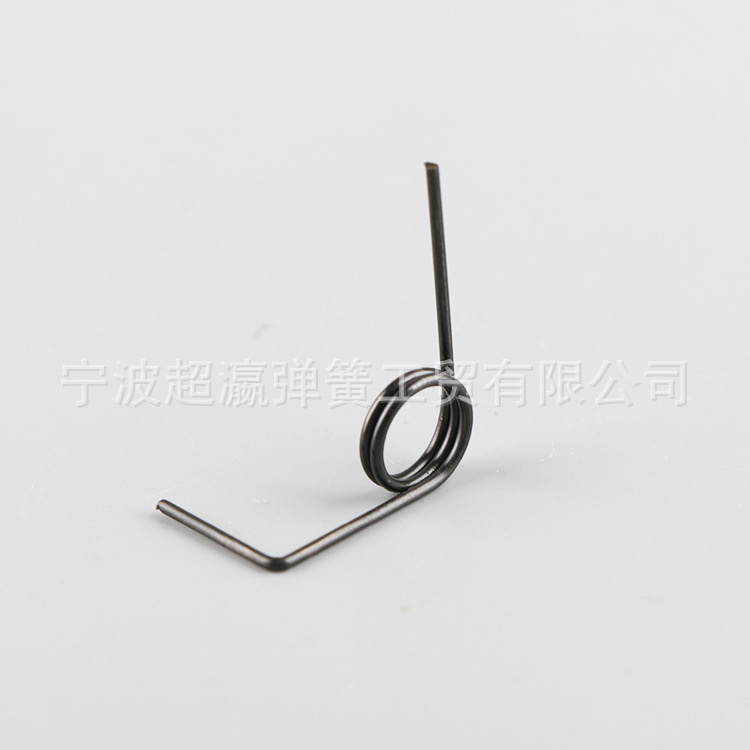
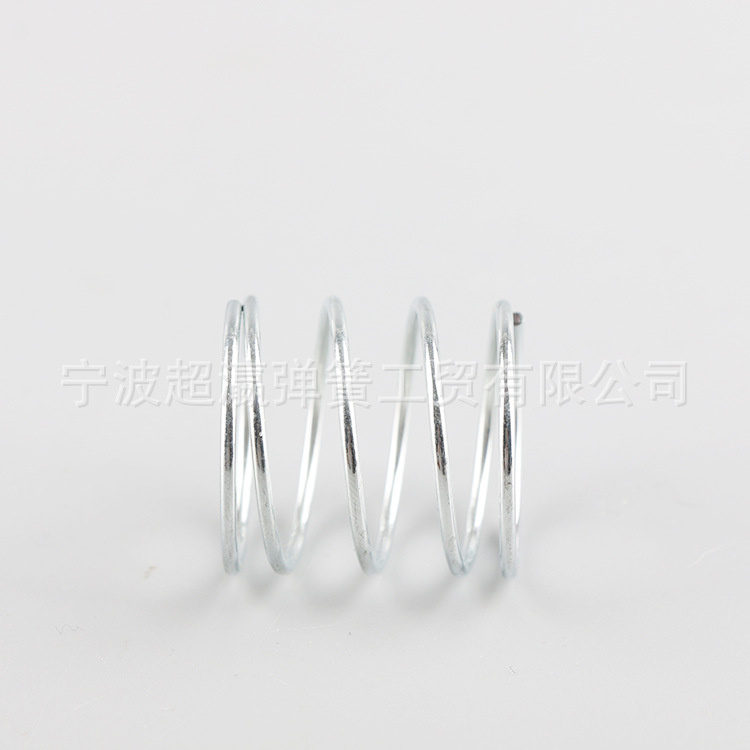
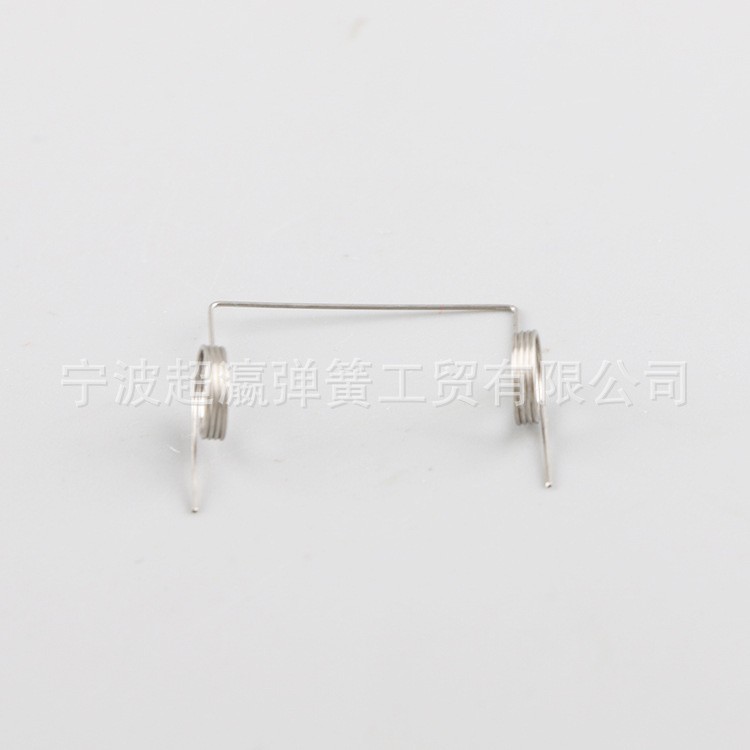
We specialize in a spring wound from stainless steel wire with tight tolerance requirements. Our automated CNC winding cells ensure uniform coil spacing and end-grinding precision, which are critical for minimizing internal stress. By focusing on the structural integrity of every coil, we deliver components that outperform market standards in fatigue life and material consistency.
Related Products
Contact us
Factory Address
No. 8, Taoyuan South Road, Wuyuqiao, Henghe Town, Cixi City, Ningbo, China
Phone
+86-188 6787 1218+86-574-62605393
QR CODE
 Wholesale Stainless Steel Coil Springs Manufacturers