English
 English
 中文简体
中文简体
 Español
 Tiếng Việt
Get in touch
English
Get in touch
Dec 08, 2025
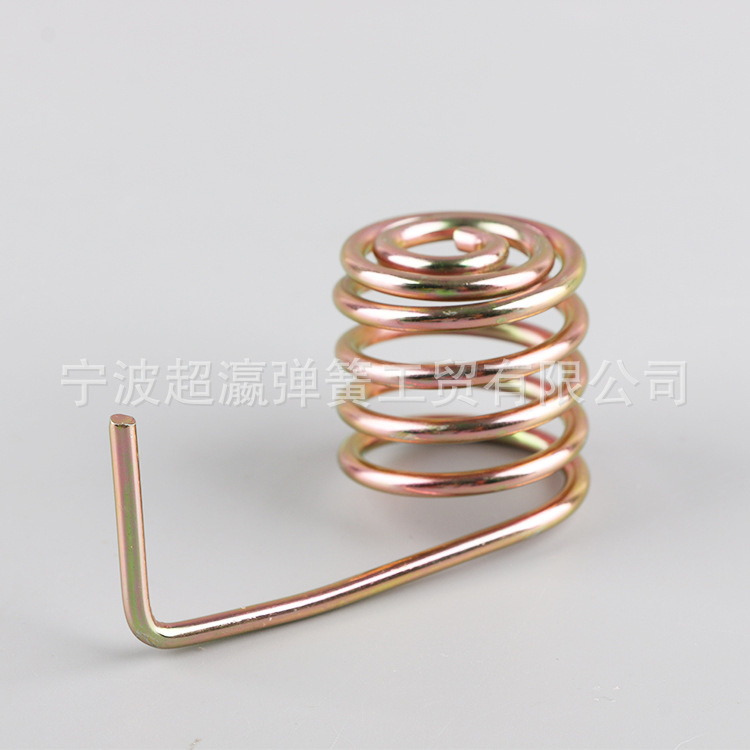
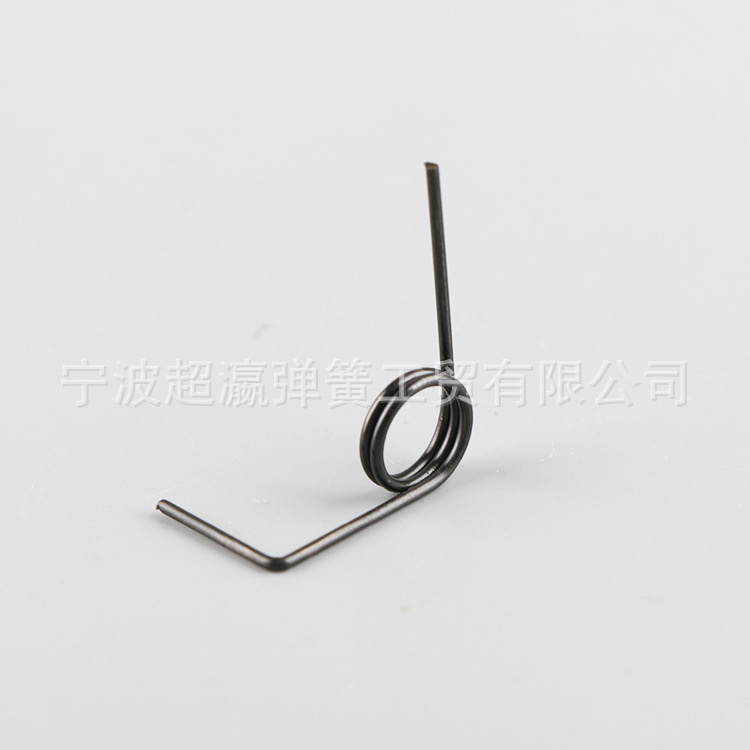
Torsion springs play a critical role in modern snowboard design, significantly impacting board control, stability, and performance. Edge grip is a key indicator of snowboard handling, directly affecting turning precision, snow surface adaptability, and safety at high speeds. Torsion springs provide essential support to edge grip by regulating snowboard torsional stiffness and rebound characteristics.
During turns or when the snowboard is tilted, the edges exert pressure on the snow surface. Torsion springs increase longitudinal and lateral stiffness, ensuring more even distribution of pressure along the board. Uniform edge pressure enhances grip, reducing the likelihood of edge slip.
High-stiffness torsion springs maintain the board’s shape at larger tilt angles, keeping the entire edge in consistent contact with the snow. Low-stiffness springs improve flexibility but may allow partial edge lift during extreme turns, reducing grip and control precision.
Torsion springs are often arranged along the snowboard’s centerline and edge zones to improve edge grip performance. Central springs enhance overall torsional response, balancing forces between left and right edges. Edge-assist springs directly increase edge stiffness, helping the snowboard bite into the snow during turns.
Spring stiffness and length in different regions can be optimized for board type. Racing snowboards feature higher stiffness in the nose and tail springs to maintain edge grip at high speed. Freestyle boards favor medium stiffness for a balance of flexibility and edge stability. Localized spring optimization ensures edge grip is maximized across various snow conditions.
Edge grip depends not only on static pressure but also on dynamic rebound. Torsion springs store and release energy, generating elastic rebound during bending and torsion. This rebound helps the edges return to the optimal angle after a turn or when pressure decreases, improving attachment to the snow.
Rebound is especially important for technical maneuvers and rapid consecutive turns. High-performance torsion springs provide sufficient recovery force to maintain edge grip while enabling quick directional changes.
The material of torsion springs directly affects long-term edge grip. High-strength alloys or composite springs retain consistent stiffness after repeated flexing, ensuring grip does not degrade over time. Material fatigue can soften springs, resulting in insufficient edge hold during high-speed turns.
Surface treatments and corrosion protection indirectly influence edge grip. Proper coatings reduce the impact of snow, ice, and contaminants, maintaining spring mechanical performance and ensuring consistent edge engagement in various snow conditions.
High-end snowboards often use multi-segment torsion spring layouts, integrating springs in the center, nose, tail, and edges. Springs with varying stiffness across regions provide optimized torsional support, enhancing edge pressure distribution and rebound.
This layout allows snowboard performance to be tailored for different maneuvers. During high-speed descents, central springs provide stability, edge springs enhance grip, and nose and tail springs improve turning control and landing response. Multi-segment layouts ensure superior edge grip across diverse snow conditions and riding styles.
Related Products
Contact us
Factory Address
No. 8, Taoyuan South Road, Wuyuqiao, Henghe Town, Cixi City, Ningbo, China
Phone
+86-188 6787 1218+86-574-62605393
QR CODE
 Wholesale Stainless Steel Coil Springs Manufacturers