English
 English
 中文简体
中文简体
 Español
 Tiếng Việt
Get in touch
English
Get in touch
Dec 01, 2025
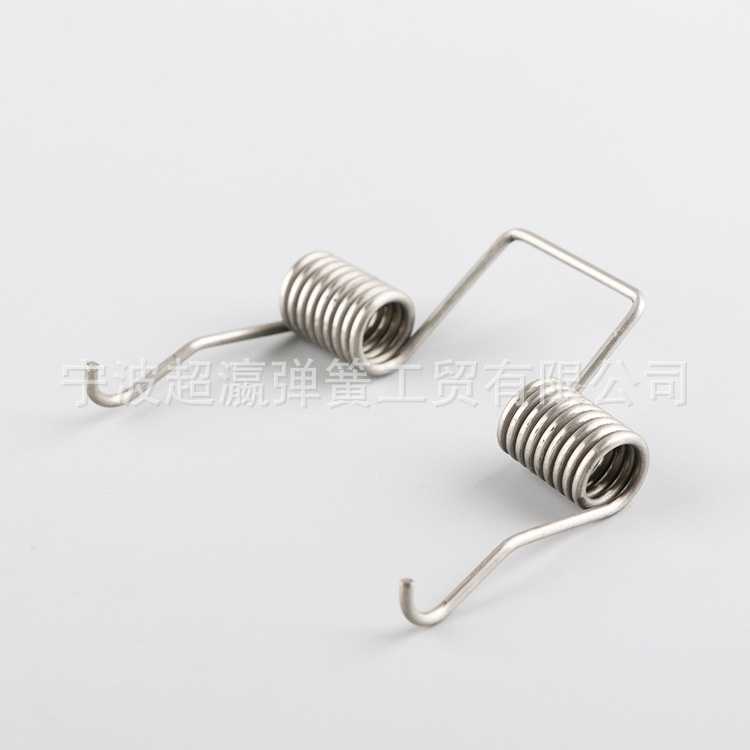
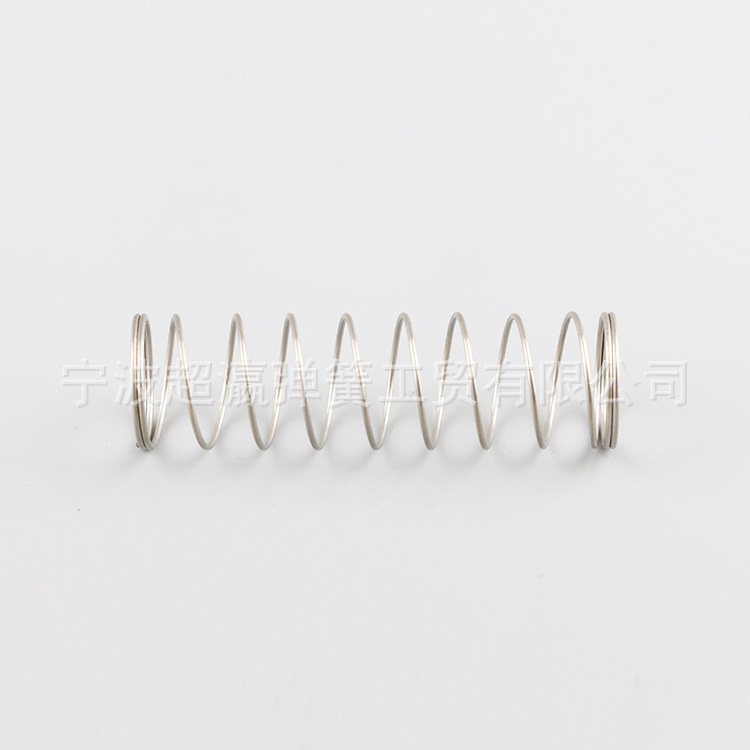
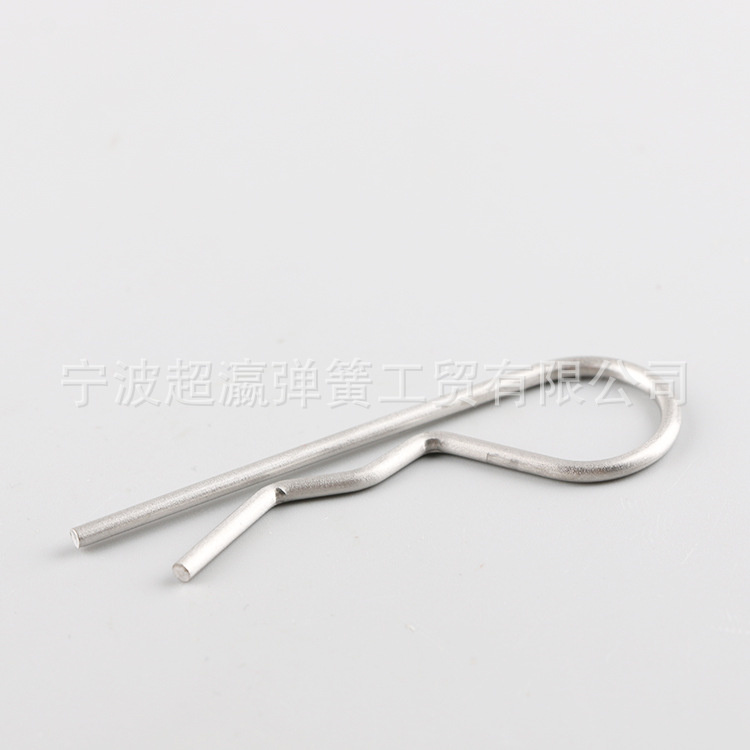
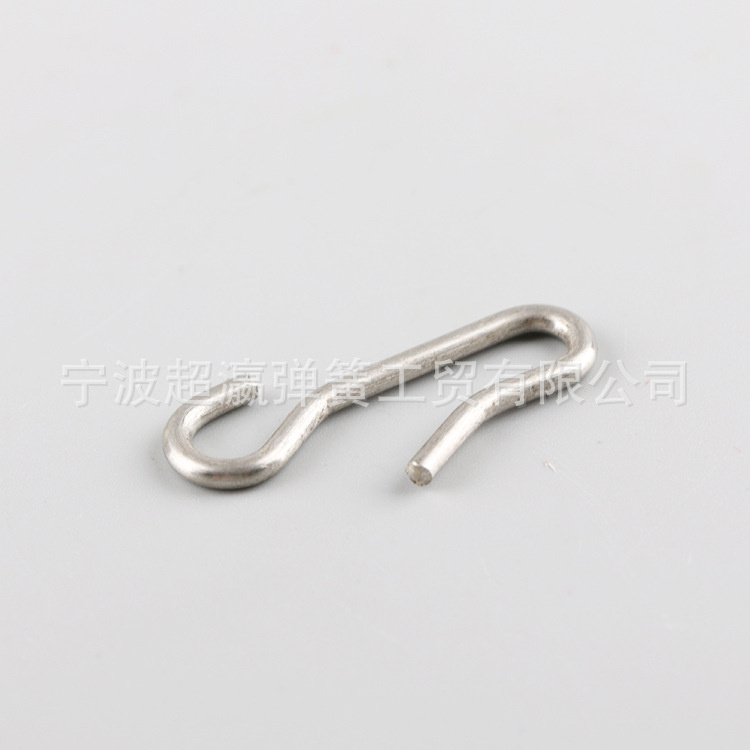
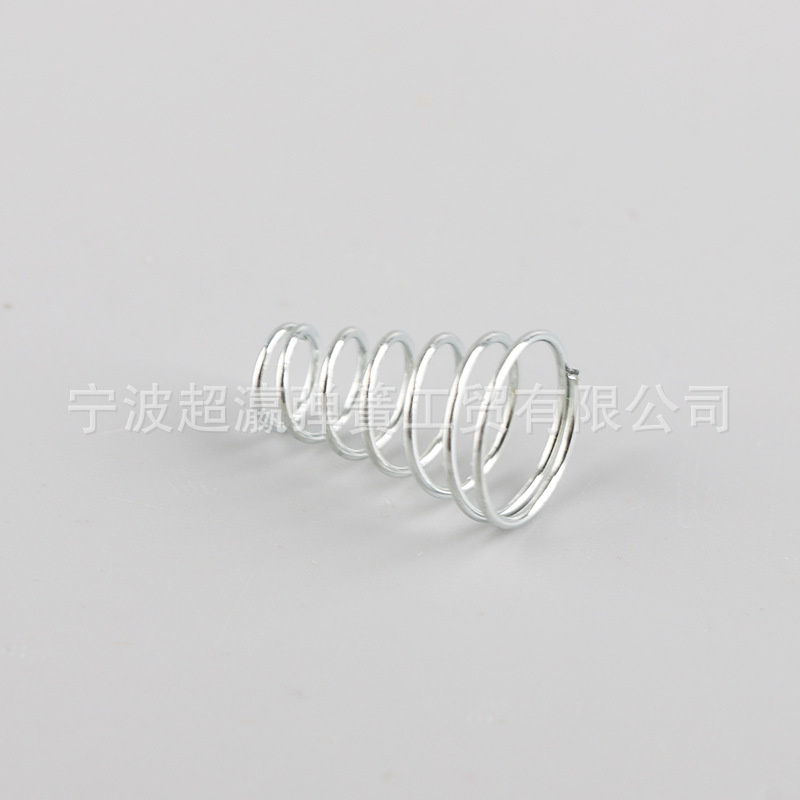
Strong torsion springs play a critical role in snowboard design, significantly affecting board control, stability, and performance. By providing additional torsional stiffness, these springs help the snowboard maintain precision during high-speed turns, jumps, and various maneuvers. Understanding the typical installation positions of strong torsion springs allows snowboard manufacturers and enthusiasts to optimize performance and improve the overall riding experience.
The core region of a snowboard is the primary location for installing strong torsion springs. This area bears the majority of bending and torsional stresses during riding. Embedding torsion springs within the core enhances the board’s response to longitudinal flex while maintaining lateral stability. Springs in the central region help distribute torsional forces evenly, reducing edge slippage during high-speed turns.
Designers often align the torsion spring along the snowboard's longitudinal centerline to ensure balanced force distribution between the left and right sides. Spring length and stiffness are adjusted according to board type. Racing boards typically use higher-stiffness springs for maximum control, while freestyle boards favor medium-stiffness springs to balance flexibility and rebound performance.
The front (nose) and rear (tail) sections of a snowboard are also key areas for torsion spring installation. Nose springs enhance stability during jumps and landings, ensuring smoother rides over uneven terrain. Tail springs improve rebound and control during sharp turns and finishing maneuvers, contributing to overall board responsiveness.
Nose and tail springs are generally shorter than core springs but require higher stiffness. They provide localized support when the board flexes, preventing excessive torsion that could cause structural fatigue or loss of control. High-end boards may incorporate adjustable tail springs to accommodate different riding styles and snow conditions.
Modern snowboard designs often include torsion springs along the edges to improve edge grip. Edge-assist springs increase lateral torsional stiffness, enhancing responsiveness during carving or when navigating variable terrain. By reinforcing the edges with high-stiffness springs, snowboarders can maintain stability during aggressive turns and technical tricks, reducing the risk of edge deformation.
Edge spring placement is typically symmetrical to maintain balance. The number and diameter of edge springs vary with snowboard width and type. Wide boards require more torsion springs to support the edges, whereas narrow boards achieve sufficient stiffness with fewer springs.
Some high-performance snowboards utilize multi-segment torsion spring layouts. In this approach, springs are strategically placed in the core, nose, tail, and edge regions to form an integrated torsional support system. Each segment can use springs with different stiffness levels tailored to the local stress distribution, optimizing the board’s performance under various riding conditions.
Multi-segment layouts enhance both longitudinal and lateral control and extend board lifespan by reducing fatigue in critical areas. Properly positioned torsion springs minimize the risk of structural failure or deformation during extreme maneuvers.
Related Products
Contact us
Factory Address
No. 8, Taoyuan South Road, Wuyuqiao, Henghe Town, Cixi City, Ningbo, China
Phone
+86-188 6787 1218+86-574-62605393
QR CODE
 Wholesale Stainless Steel Coil Springs Manufacturers