English
 English
 中文简体
中文简体
 Español
 Tiếng Việt
Get in touch
English
Get in touch
Oct 12, 2026
When a spring drawing specifies “stainless steel,” the next question is almost always 304 or 430. The answer is not a simple ranking. In spring manufacturing, the choice affects corrosion life, magnetic response, forming yield, fatigue cycles, and landed cost. For most springs exposed to moisture, chemicals, or outdoor weather, 304 is the safer grade. For dry indoor products where cost pressure is high and magnetic behavior is acceptable, 430 can be a practical option. The rest of this article breaks down the differences from a factory floor perspective, with specific tolerances, application examples, and purchasing risks.
If you are sourcing springs for automotive, appliance, door hardware, or consumer products, the material decision usually arrives before the spring geometry is finalized. That is why it helps to compare 304 and 430 across the same criteria: chemical composition, corrosion performance, magnetic properties, formability, fatigue resistance, temperature limits, and total cost. Each section below includes concrete comparisons so you can map the material to the working environment rather than relying on general statements.
Grade 304 is an austenitic stainless steel. Its typical composition includes 18% chromium, 8% nickel, and a maximum of 0.08% carbon. The nickel content stabilizes the austenitic crystal structure at room temperature. This structure gives 304 excellent ductility, good weldability, and a stable passive film. Grade 430 is a ferritic stainless steel. It contains 16% to 18% chromium, no intentional nickel, and a maximum carbon content around 0.12%. The ferritic structure is magnetic and offers lower ductility than 304.
The nickel in 304 is not a minor additive. It changes how the material responds to cold working, how it behaves in a magnetic field, and how well it resists chloride attack. Without nickel, 430 relies on chromium alone for corrosion resistance. Chromium forms a passive oxide layer, but that layer is less stable in the presence of chlorides, especially when the spring is under stress. This is why 430 can show rust spots in coastal or humid environments while 304 remains clean.
| Element | Grade 304 | Grade 430 |
|---|---|---|
| Chromium (Cr) | 18% – 20% | 16% – 18% |
| Nickel (Ni) | 8% – 10.5% | 0.75% max |
| Carbon (C) | 0.08% max | 0.12% max |
| Manganese (Mn) | 2% max | 1% max |
| Crystal structure | Austenitic | Ferritic |
| Magnetic response | Non-magnetic (slightly magnetic after cold work) | Magnetic |
When spring wire is drawn or rolled, the crystal structure changes. In 304, cold working can transform some austenite into martensite, which makes the spring slightly magnetic. This is usually not a problem for most applications, but it matters for sensors and magnetic separation equipment. In 430, the ferritic structure remains magnetic regardless of cold work. If your spring sits next to a Hall effect sensor or a magnetic reed switch, 304 is often the better choice because its magnetic permeability is much lower after annealing.
Corrosion resistance is the most common reason engineers choose 304 over 430. In neutral salt spray testing (ASTM B117), a properly passivated 304 spring can often exceed 500 hours before red rust appears. A 430 spring under the same test may show rust between 100 and 200 hours, depending on surface finish and stress level. These numbers are not absolute guarantees because salt spray does not perfectly replicate real service, but they show the relative gap. The nickel in 304 stabilizes the passive film and helps it repair itself when scratched.
Springs are especially sensitive to corrosion because they operate under stress. A tensile spring with a hook under constant load can suffer stress corrosion cracking in chloride environments. Grade 304 is far more resistant to this failure mode than 430. If the spring will be exposed to road salt, swimming pool water, marine air, or industrial cleaning chemicals, 430 should be avoided unless it is protected by a coating or the stress level is very low.
Passivation is important for both grades, but it cannot make 430 equal to 304. Passivation removes free iron from the surface and enhances the chromium oxide layer. For 430, the layer is thinner and less stable. For 304, passivation is highly effective and can be combined with electropolishing to further improve corrosion life. If your spring will be used in a wet environment, specify passivation on the drawing, and do not substitute 430 to save a few cents per piece.
Grade 430 is ferromagnetic at room temperature. It will be attracted to magnets and can be used in applications where a magnetic spring is desired, such as certain magnetic catches or retention devices. Grade 304 is non-magnetic in the annealed condition, but cold working during spring coiling can introduce a small amount of magnetism. A typical 304 spring after coiling may show a relative permeability of 1.5 to 3.0, while 430 can be in the hundreds.
In most spring applications, magnetism is not a primary function. However, it becomes critical when the spring is near magnetic sensors, reed switches, or magnetic imaging equipment. A magnetic spring can interfere with sensor readings or cause inaccurate triggering. In these cases, 304 is the clear choice. If the spring must be magnetic, 430 is the natural option, but you also need to consider corrosion because 430 is often used in dry environments where magnetism is required.
Another point: heat treatment and annealing affect magnetism. If you anneal 304 after forming, it returns to a more non-magnetic state. If you stress-relieve 430, it remains magnetic. So the final magnetic behavior depends on the manufacturing sequence, not just the raw material.
Grade 304 has excellent ductility and can be coiled into complex shapes without cracking. It accepts tight bend radii, small hook radii, and multi-axis bends. This is why 304 is the default material for irregular springs, torsion springs with double coils, and extension springs with small loop ends. Grade 430 is less ductile and has a higher yield strength. It tends to spring back more during bending, which makes it harder to hold tight tolerances. In small wire diameters, 430 can crack at the bend if the tooling is not adjusted carefully.
When comparing fatigue life, 304 generally outperforms 430 in high-cycle applications. The austenitic structure distributes stress more evenly and resists crack initiation. A 304 compression spring may reach 1,000,000 cycles at a given stress level, while a 430 spring under the same conditions may fail at 300,000 to 500,000 cycles. This difference matters for automotive pedals, door latches, and appliance switches where the spring cycles thousands of times per year.
For very small springs, such as those used in pens or electronics, 304 is easier to produce with consistent dimensions. For larger, low-precision springs, 430 may be acceptable if the design allows generous bend radii. As a manufacturer, we often run trial coils to confirm the forming window before committing to a production lot.
Grade 304 maintains good mechanical properties from cryogenic temperatures up to about 800°C in intermittent service. Grade 430 is limited to around 400°C to 500°C for continuous service because prolonged exposure to higher temperatures can cause embrittlement and sigma phase formation. If your spring operates near an engine exhaust, a heater, or a furnace, 304 is the safer choice.
At low temperatures, 304 remains ductile and resists impact. 430 can become brittle below -20°C, increasing the risk of fracture under shock loads. This is relevant for outdoor equipment in cold climates, such as snowmobile parts or freezer door springs. For these applications, 304 is strongly preferred.
Fatigue behavior also depends on temperature. At elevated temperatures, 304 retains more of its fatigue strength. 430 loses fatigue resistance faster as temperature rises. If the spring will see thermal cycling, 304 provides a wider safety margin. Always prototype and test under the actual temperature profile rather than relying on room-temperature data.
Grade 430 wire is typically 20% to 30% cheaper than 304 wire because it contains no nickel. Nickel is a volatile commodity, and its price can swing significantly. For a high-volume, low-stress spring used indoors, 430 can reduce material cost. However, the total cost of ownership includes more than the wire price.
Grade 430 is harder to form, so the scrap rate can be higher. It may require slower machine speeds, more frequent tool changes, and additional annealing steps. These factors increase labor and energy costs. If the spring fails prematurely in the field, the warranty and replacement cost can far exceed the material savings. In corrosion-prone environments, a 430 spring may need a coating, which adds cost and can still chip or wear.
| Cost Factor | Grade 304 | Grade 430 |
|---|---|---|
| Raw wire price | Higher | Lower by 20% – 30% |
| Forming speed | Faster | Slower due to higher springback |
| Scrap rate | Lower | Higher if bend radii are tight |
| Corrosion protection | Often no coating needed | May need plating or coating |
| Service life | Longer in wet environments | Shorter if exposed to moisture |
For a dry indoor product with a target life of 5,000 cycles and no moisture exposure, 430 can be a rational choice. For a wet or outdoor product with a target life of 100,000 cycles, 304 usually provides the lowest total cost even though the wire costs more. The best approach is to calculate cost per cycle or cost per year of service, not just cost per kilogram of wire.
Springs appear in thousands of products, and the optimal grade depends on the specific environment. Below are common application categories with practical recommendations.
Brake pedal return springs, seat adjustment springs, and suspension components are often exposed to moisture, road salt, and vibration. Grade 304 is the standard choice for these safety-related parts. Grade 430 may be used for interior trim springs, such as those in cup holders or storage doors, where corrosion risk is low. However, any spring near the underbody or wheel well should be 304 or 316.
Washing machine door lock springs and dishwasher springs see water and detergent. 304 is required. Oven door springs and refrigerator shelf springs may use 430 if the environment is dry and the spring is not highly stressed. For microwave door springs, 304 is preferred because moisture from cooking can condense.
Garage door torsion springs, overhead door springs, and gate latches are usually outdoors or in semi-conditioned spaces. 304 is the better choice for long life. Some manufacturers use 430 with a heavy zinc coating for cost reasons, but the coating can wear at contact points and lead to rust. For coastal areas, 316 is often specified, but 304 is the minimum for inland outdoor use.
Tent pole springs, snowboard bindings, and bicycle kickstand springs are exposed to weather. 304 handles rain, sweat, and mud. 430 would rust quickly and should be avoided. For ski and snowboard applications, 304 also maintains ductility at low temperatures, reducing the risk of brittle fracture.
Battery contact springs, switch springs, and sensor springs often require non-magnetic materials. Grade 304 is the standard. If the spring is used in a magnetic latch or a reed switch, 430 may be selected intentionally. Always confirm the magnetic requirement with the sensor manufacturer before choosing 430.
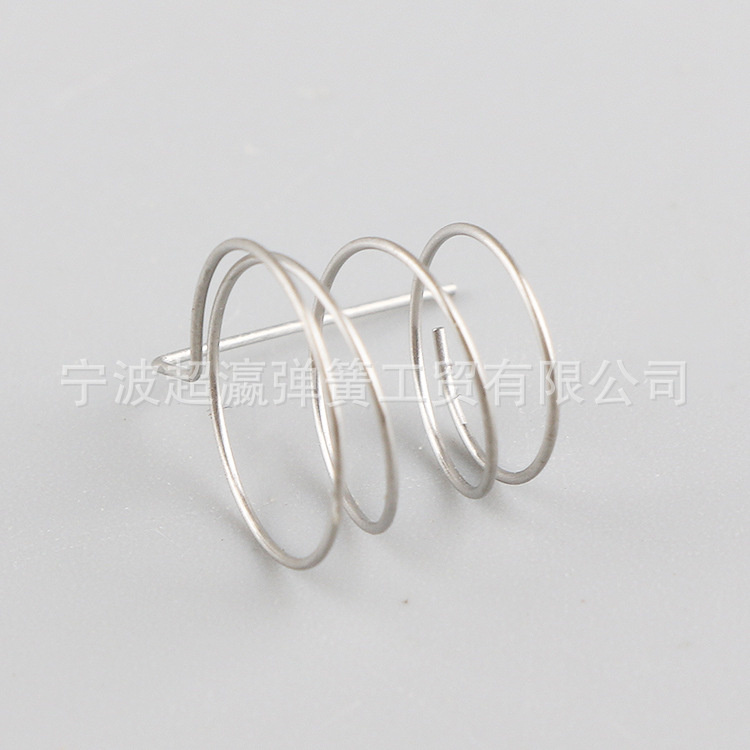
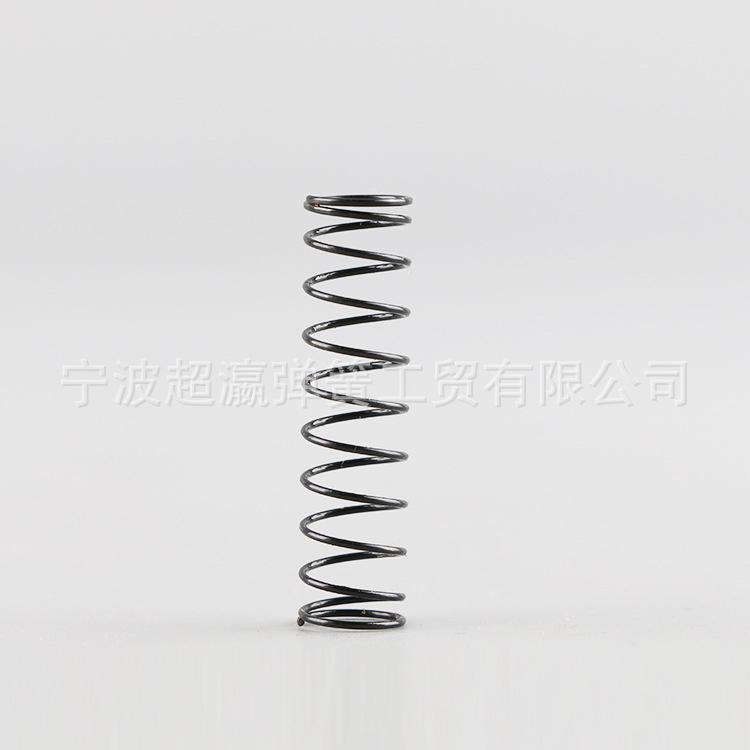
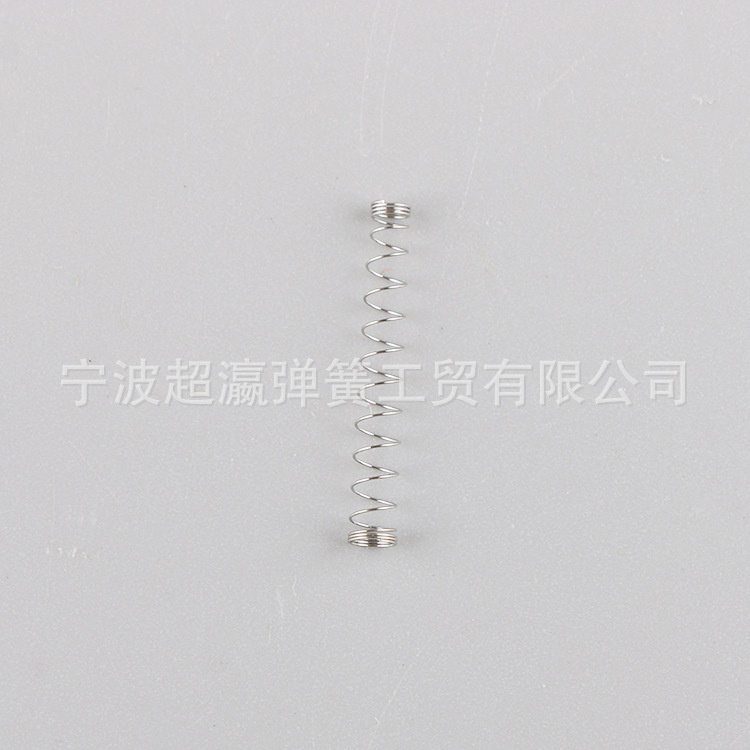
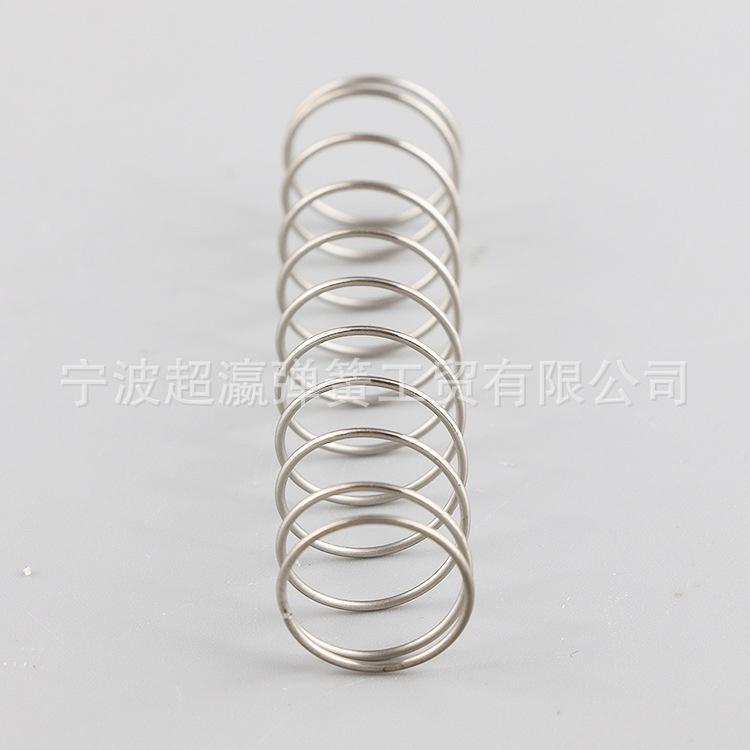
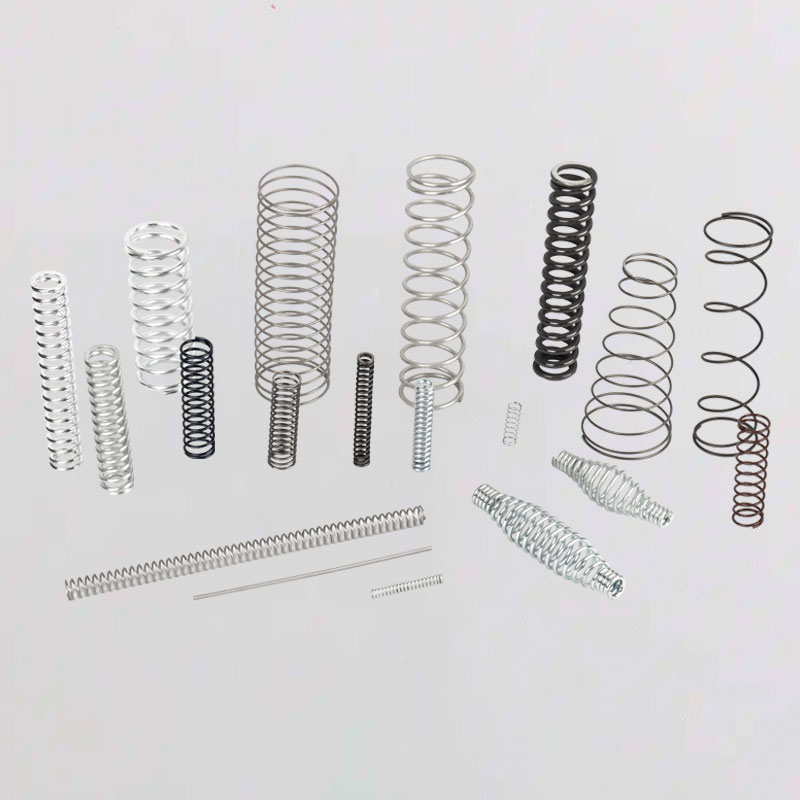 304 Stainless Steel Return Pressure Small SpringFor return and pressure applications in damp or variable environments, this 304 stainless steel spring offers corrosion resistance and a consistent spring rate.View Product →
For return and pressure applications in damp or variable environments, a 304 stainless steel return pressure small spring offers a good balance of corrosion resistance and consistent spring rate. Our factory produces these springs with controlled coiling and passivation to meet indoor and outdoor durability targets.
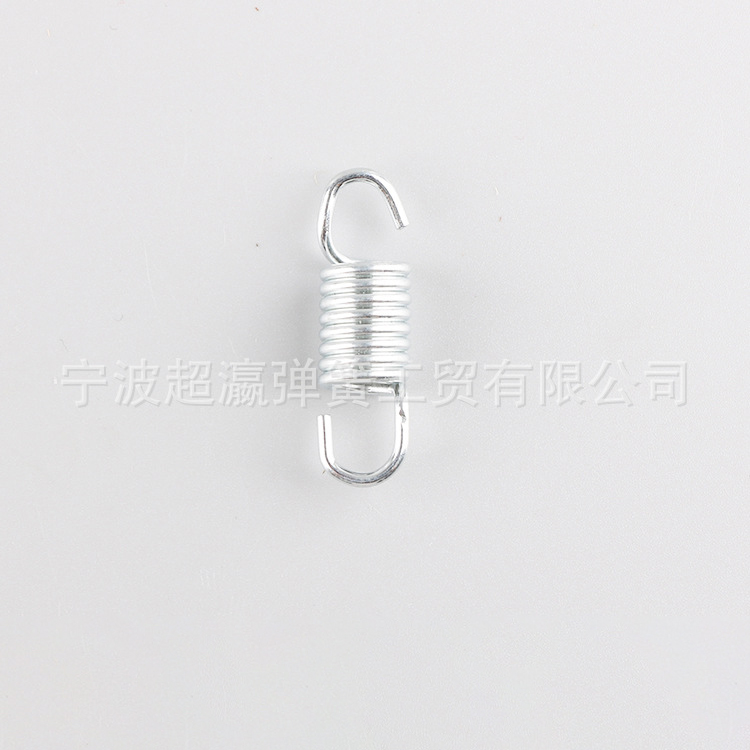
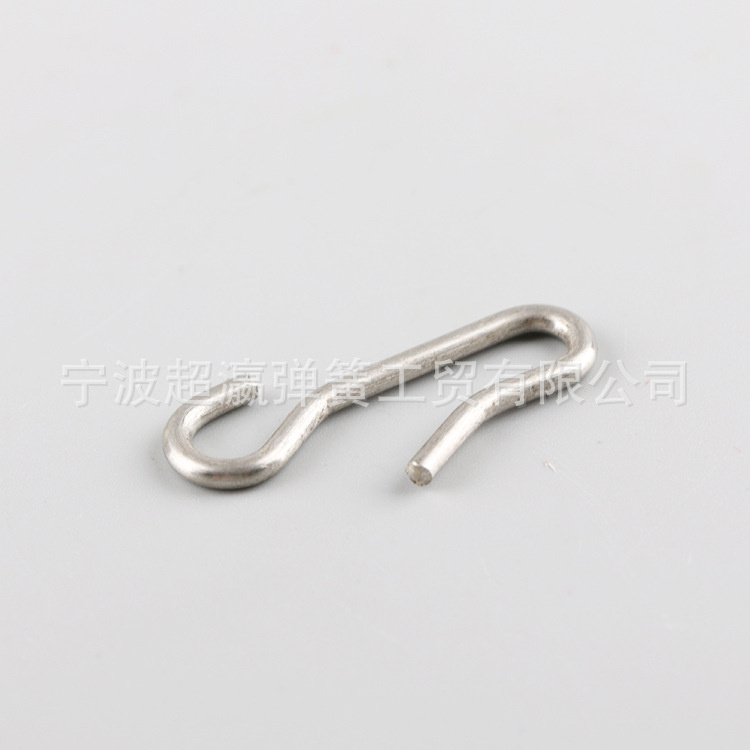
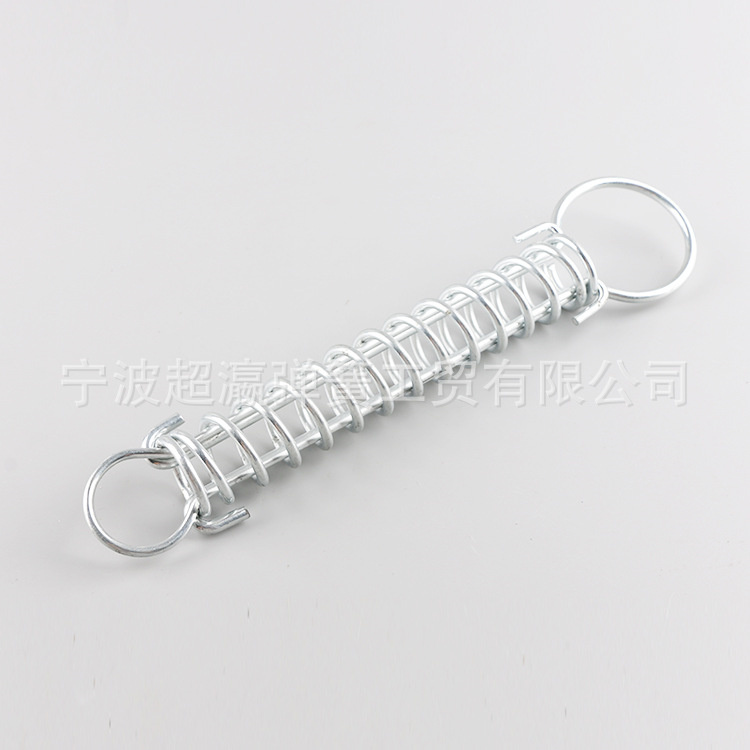
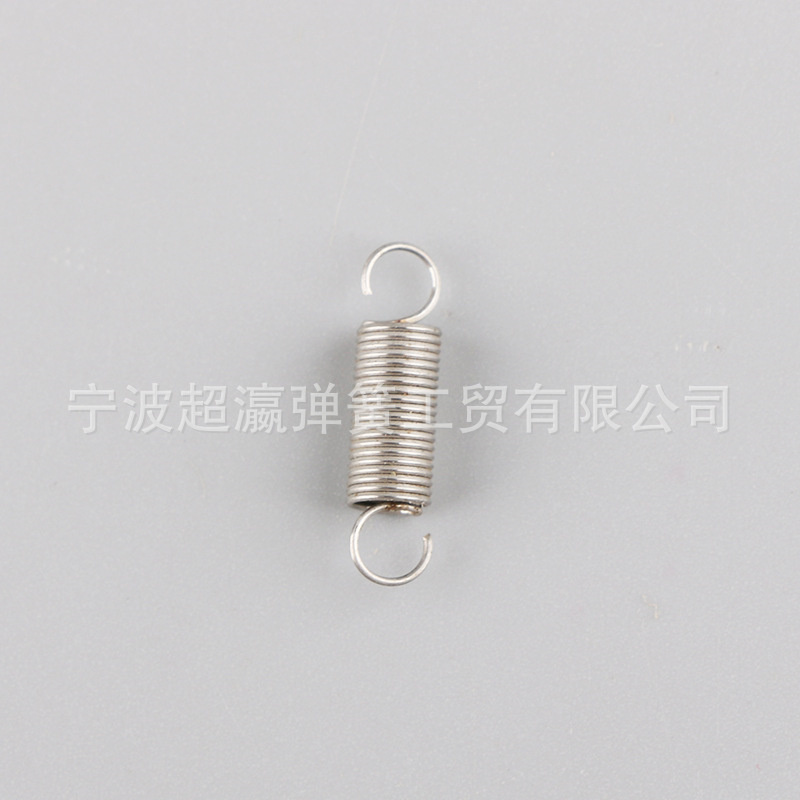 Stainless Steel Small Tension Coil SpringIdeal for latching and retraction mechanisms exposed to humidity or temperature swings, this 304 stainless steel tension spring can be customized for fit.View Product →
Small tension coil springs are often used in latching and retraction mechanisms. When the mechanism is exposed to humidity or temperature swings, the 304 version provides better fatigue life than 430. We can adjust wire diameter, initial tension, and hook geometry to fit your assembly space.
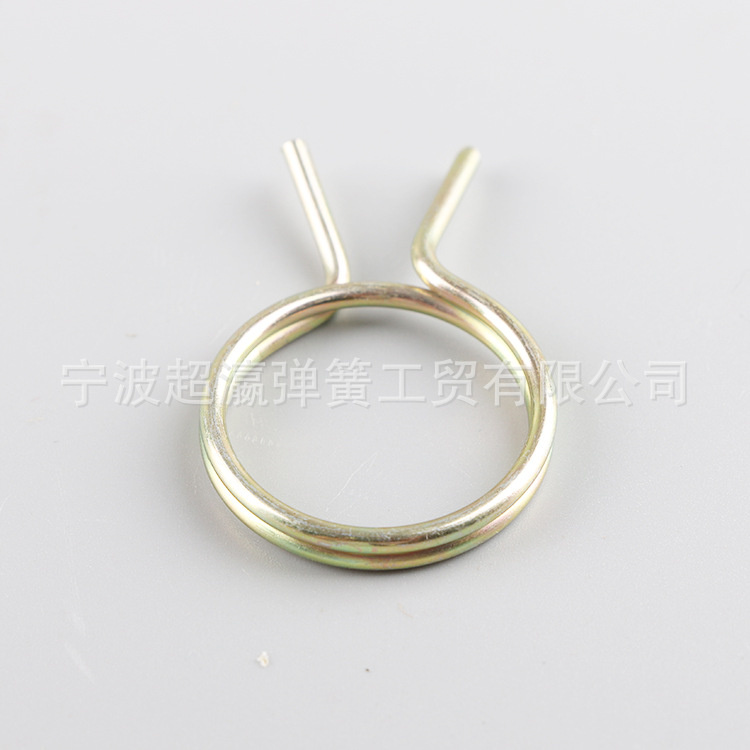
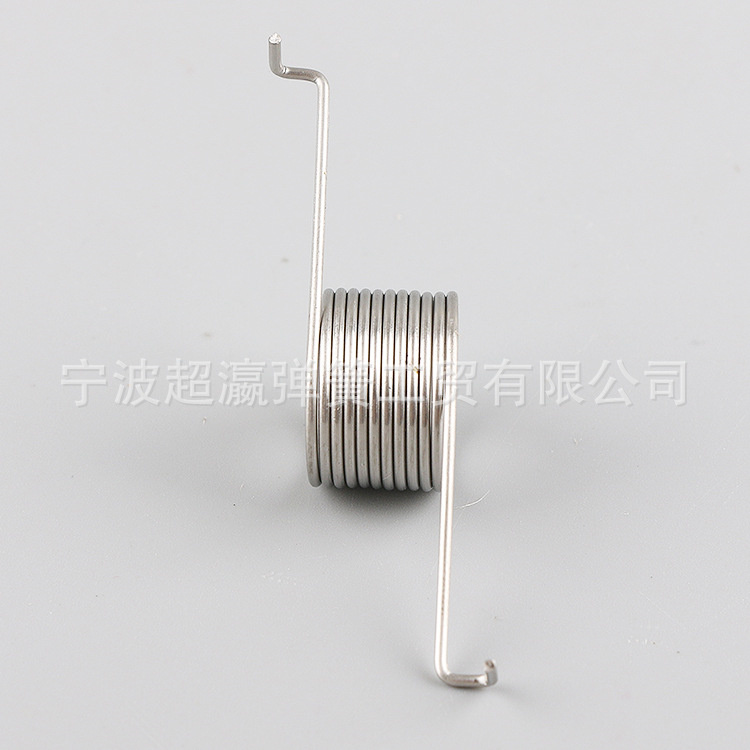
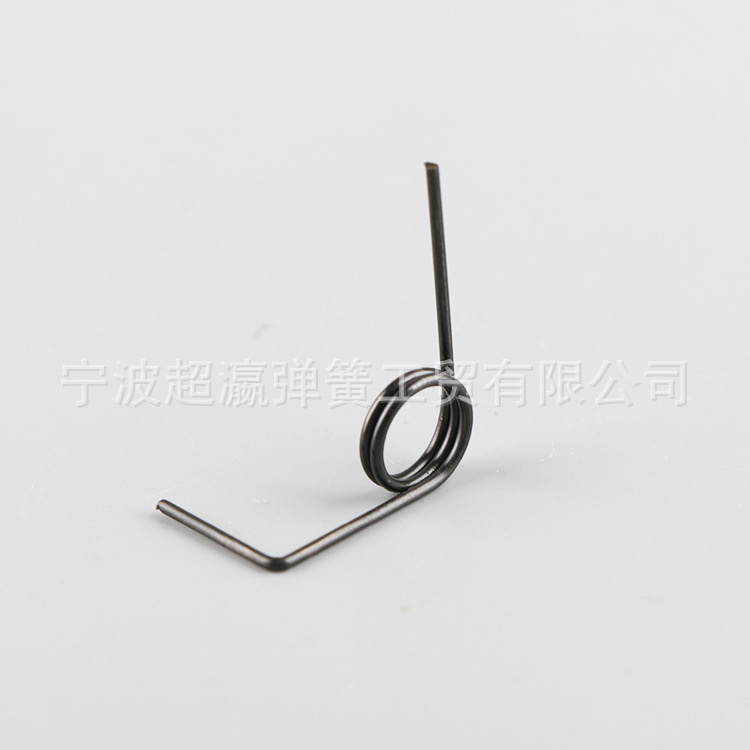
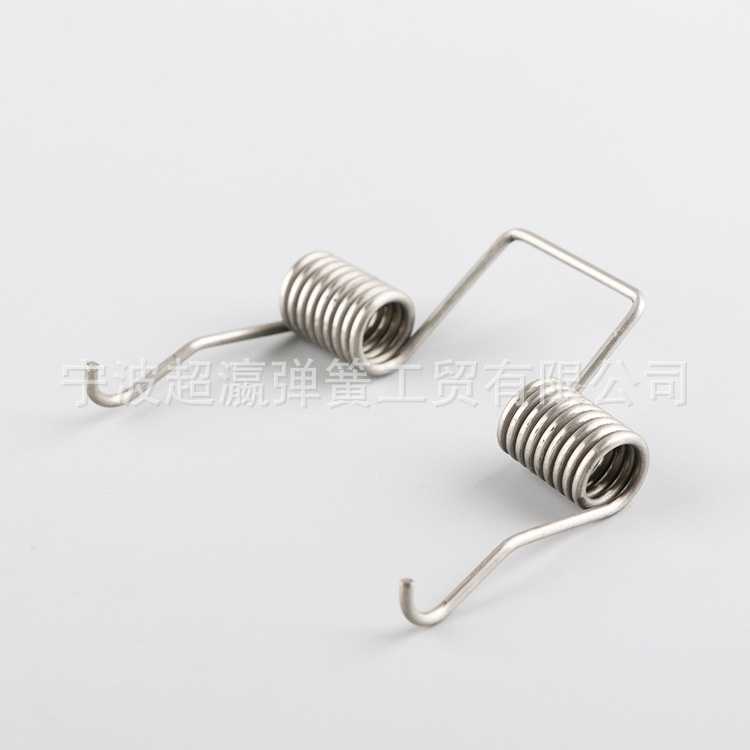 Stainless Steel Strong Torsion Double SpringSuited to high-stress torsion tasks such as heavy door hardware and industrial closures; 304 grade is recommended for outdoor or wet conditions.View Product →
Strong torsion double springs are common in heavy door hardware and industrial closures. These springs operate under high stress, so corrosion resistance is critical to avoid stress corrosion cracking. The 304 grade is recommended for any torsion spring that sees outdoor or wet conditions.
Both 304 and 430 can be passivated, but the effect is different. Passivation uses an acid bath to remove free iron and enhance the chromium oxide layer. For 304, passivation typically produces a robust, self-healing film. For 430, passivation helps but cannot fully compensate for the lack of nickel. In aggressive environments, 430 may still rust even after passivation.
Electropolishing is another option. It smooths the surface and removes micro-burrs, which improves fatigue life and corrosion resistance. Electropolished 304 springs are common in medical and food equipment. Electropolished 430 springs are less common because the base material is still vulnerable to pitting.
If you need a deeper comparison of stainless steel grades for spring applications, our article on 304 vs 316 stainless steel performance explains how molybdenum changes corrosion behavior. For most 304 vs 430 decisions, the key takeaway is that 304 responds well to surface enhancement, while 430 has a lower ceiling.
Coating is another path for 430. Zinc plating, nickel plating, or powder coating can provide a barrier, but coatings can crack during spring deflection. A coated 430 spring may still corrode at the cuts or contact points. For dynamic springs, uncoated 304 is usually more reliable.
Use the following steps to narrow the choice. This framework is designed for engineers and buyers who need to make a defensible decision quickly.
Will the spring be exposed to water, salt, chemicals, or high humidity? If yes, 304 is the baseline. If the environment is dry and conditioned, 430 may be acceptable.
How many cycles must the spring survive? For high-cycle applications (above 100,000 cycles), 304 is usually required. For low-cycle or static applications, 430 can work.
Can the spring be magnetic? If the answer is no, avoid 430. If the answer is yes, 430 may be an option, but confirm corrosion needs.
Does the spring have tight bends, small hooks, or irregular shapes? 304 forms more easily and produces fewer rejects. 430 may require design changes and slower production.
Compare material cost, processing cost, scrap rate, coating cost, and expected replacement cost. The cheapest wire does not always produce the cheapest part.
Order a small batch and run salt spray, fatigue, and magnetic tests. Real data beats assumptions. A reputable spring manufacturer can provide test reports and samples before mass production.
If the application falls into a gray area, choose 304. The price difference is usually small compared to the risk of field failures, returns, and brand damage. For non-critical, dry, cost-sensitive products, 430 can be a reasonable engineering choice.
In the annealed condition, 430 has slightly higher yield strength. However, 304 can be cold-drawn to higher tensile strengths and has much better fatigue resistance. For spring applications, fatigue life is often more important than static strength.
Yes, 430 can rust in humid, chloride-rich, or acidic environments. It performs well in dry indoor conditions but is not suitable for outdoor or wet applications without additional protection.
Annealed 304 is essentially non-magnetic. After cold working, it can become slightly magnetic, but the level is much lower than 430. If magnetism is a concern, specify annealing or test the finished spring.
In some dry, low-stress applications, yes. In wet, high-cycle, or sensor-sensitive applications, no. Always check corrosion, fatigue, and magnetic requirements before substituting.
304 is the better choice for outdoor springs. It handles rain, humidity, and temperature changes far better than 430. For coastal or marine environments, consider 316.
Minimum order quantities depend on wire diameter, spring geometry, and material. For 304 and 430 springs, we can discuss prototype quantities and mass production volumes. Contact our team with your drawing or sample for a specific quote.
State the grade, wire diameter with tolerance, surface finish, passivation requirement, and magnetic limits if applicable. Also include the expected environment and cycle life. These details help the spring manufacturer choose the right wire and process.
When you receive stainless steel springs, you should be able to verify the grade. At our factory, we use in-house testing and third-party reports to confirm material composition. Common checks include:
These checks are especially important when 430 is used as a cost-reduction substitute. Without verification, a supplier might deliver 430 when 304 was specified, leading to premature corrosion. A material certificate and test report should accompany each shipment. If you need a reliable spring partner, review our spring product range and send your specifications for evaluation.
Quality control also covers the forming process. For 304, we monitor coil temperature and tension to avoid excessive martensite formation. For 430, we adjust tooling to compensate for springback and inspect for micro-cracks after bending. These process controls directly affect the final performance of the spring.
Material decisions are often made under cost pressure, and that is where mistakes happen. The following errors are common in spring procurement.
Another practical mistake is ignoring the end-of-life cost. A spring that fails in the field can trigger a warranty claim, a recall, or a damaged reputation. The incremental cost of 304 is often trivial compared to these risks. For products where safety or uptime is critical, 304 should be the default unless there is a strong reason to use 430.
Finally, involve the spring manufacturer early. A factory that produces both 304 and 430 springs can advise on forming limits, tooling, and lead times. If you share the working environment and cycle life, the manufacturer can recommend the grade that minimizes total risk. For custom springs, requesting a DFM (design for manufacturability) review can catch material and geometry issues before production begins.
Related Products
Contact us
Factory Address
No. 8, Taoyuan South Road, Wuyuqiao, Henghe Town, Cixi City, Ningbo, China
Phone
+86-188 6787 1218+86-574-62605393
QR CODE
 Wholesale Stainless Steel Coil Springs Manufacturers