English
 English
 中文简体
中文简体
 Español
 Tiếng Việt
Get in touch
English
Get in touch
Mar 30, 2026
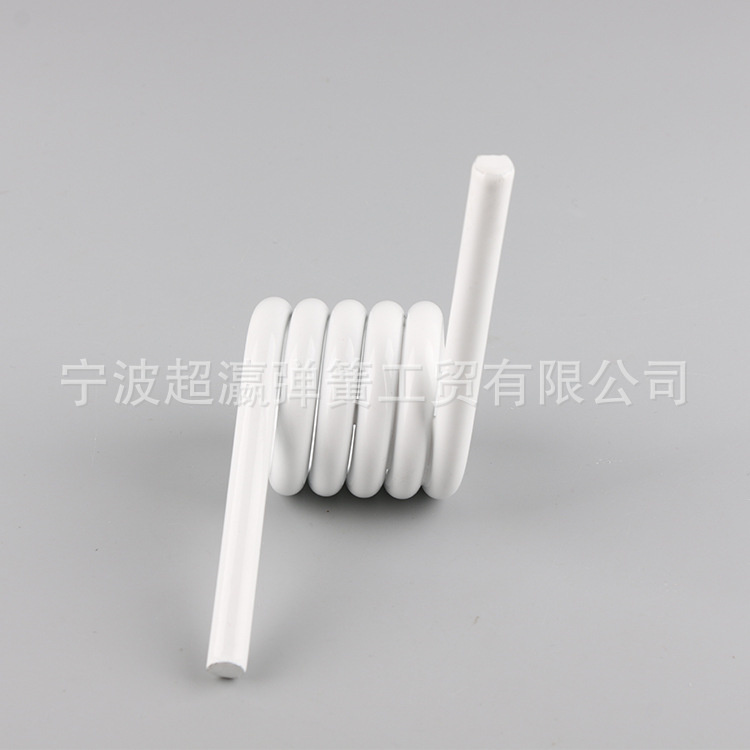
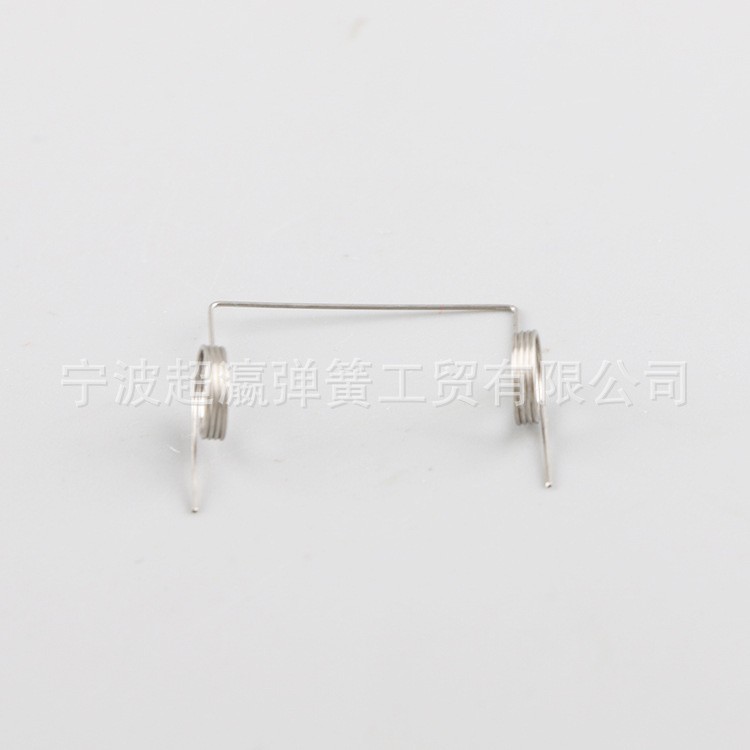
The primary difference between stainless steel torsion springs and regular carbon steel torsion springs lies in the materials used. Stainless steel typically contains elements such as chromium and nickel, which provide enhanced corrosion resistance and oxidation resistance. In contrast, regular carbon steel springs are primarily composed of iron with small amounts of carbon, which gives them some elasticity, but they are far less resistant to corrosion than stainless steel.
This chemical composition makes stainless steel superior in environments exposed to moisture and corrosive elements. For applications where springs need to endure external environmental factors for extended periods, stainless steel torsion springs offer longer service life, reducing the frequency of replacements.
Corrosion resistance is one of the most significant differences between stainless steel torsion springs and regular carbon steel torsion springs. Stainless steel forms a self-repairing oxide film that effectively prevents corrosion from water, acids, salts, and other substances. On the other hand, regular carbon steel springs are prone to rusting when exposed to moisture, oxygen, or other corrosive agents, which severely impacts the spring's performance.
In industries such as marine, chemical, and food processing, stainless steel torsion springs are the preferred choice due to their superior corrosion resistance. Regular carbon steel springs, however, are suitable for less corrosive environments, such as light industry and general machinery applications.
Fatigue resistance is crucial in the design of torsion springs. Stainless steel torsion springs offer significantly higher fatigue life than regular carbon steel springs during repeated twisting operations. Especially in high-stress and high-frequency usage scenarios, stainless steel’s strength and toughness contribute to an extended service life and reduced risk of failure due to fatigue.
Regular carbon steel springs, when subjected to repetitive loads and twists, are more likely to develop early fatigue cracks, leading to spring failure. Therefore, selecting the appropriate material is essential for ensuring the reliability of mechanical equipment.
The mechanical performance of stainless steel torsion springs, including tensile strength, yield strength, and hardness, is typically superior to that of regular carbon steel springs. Due to the alloy elements in stainless steel, it provides higher strength and better elasticity, making it suitable for more complex and demanding operating conditions.
In contrast, regular carbon steel torsion springs have balanced mechanical properties, offering sufficient strength and elasticity for general purposes. However, in high-load or extreme conditions, their performance does not match that of stainless steel, which is why carbon steel springs are mostly used in applications with lighter loads and more moderate conditions.
The manufacturing process for stainless steel torsion springs is typically more complex and requires higher precision and heat treatment techniques. This results in higher production costs. Heat treatment processes are critical for ensuring the springs’ fatigue resistance and corrosion resistance. While the production cost of stainless steel torsion springs is higher, their superior performance and longer service life make them the preferred choice in high-end applications.
On the other hand, the production process for regular carbon steel torsion springs is simpler, which reduces manufacturing costs. Therefore, carbon steel torsion springs are more cost-effective for applications where budget constraints are a concern.
The operating environment plays a critical role in choosing between stainless steel torsion springs and regular carbon steel torsion springs. For conventional machinery or low-corrosion environments, regular carbon steel springs are sufficient, and their lower cost is a benefit. However, in harsh conditions involving high temperatures, high humidity, or exposure to salt and other corrosive substances, stainless steel torsion springs' corrosion resistance and oxidation resistance make them indispensable.
For example, in marine environments such as ships, aerospace equipment, and medical devices, stainless steel torsion springs are used to ensure long-term stability and safety of the equipment. Regular carbon steel torsion springs are unsuitable for such corrosive conditions.
Applications of Stainless Steel Torsion Springs: Stainless steel torsion springs are widely used in automotive, aerospace, medical devices, food industries, chemical industries, and other fields where high corrosion resistance is required. Their excellent weather resistance and long service life make them ideal for high-end equipment and long-term operational environments.
Applications of Regular Carbon Steel Torsion Springs: Regular carbon steel torsion springs are primarily used in non-corrosive, low-load industries such as household appliances, general machinery, and light industries. Due to their lower cost, carbon steel springs are more suited for applications where performance demands are lower and cost efficiency is a priority.
Related Products
Contact us
Factory Address
No. 8, Taoyuan South Road, Wuyuqiao, Henghe Town, Cixi City, Ningbo, China
Phone
+86-188 6787 1218+86-574-62605393
QR CODE
 Wholesale Stainless Steel Coil Springs Manufacturers