English
 English
 中文简体
中文简体
 Español
 Tiếng Việt
Get in touch
English
Get in touch
Apr 20, 2026
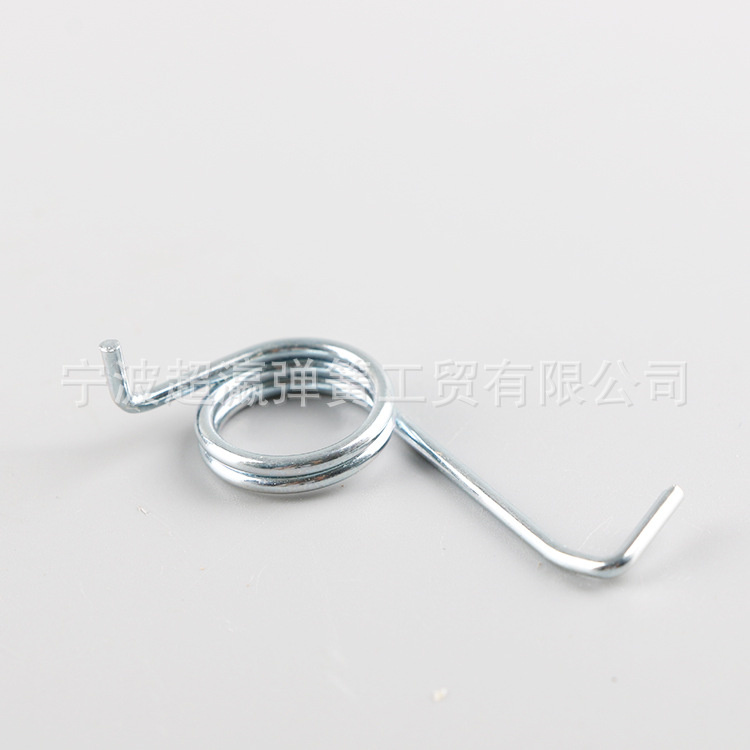
Stainless steel torsion springs, due to their excellent mechanical properties, corrosion resistance, and high-temperature resistance, are widely used in the automotive industry. They play a crucial role in several components of vehicle manufacturing and significantly enhance vehicle performance, stability, and safety. Automobiles undergo varying loads and vibrations during daily operation, and the proper choice of torsion springs ensures the precise functioning of various mechanical components.
The automotive suspension system is key to ensuring ride comfort and handling. Stainless steel torsion springs play a critical role as elastic components in the suspension system, supporting the vehicle body and absorbing impacts from the road surface. Torsion springs in the suspension system provide elastic force by rotating deformation, ensuring relative motion between the wheels and the vehicle body. Especially in high-performance vehicles, stainless steel torsion springs are used to offer better handling and comfort while reducing size and weight, maintaining stability.
Modern automotive door lock systems rely on torsion springs for secure and reliable locking mechanisms. Stainless steel torsion springs are critical in automotive door locks, providing necessary torque in the interaction between the latch and the door. Whether manual or electric locking systems, torsion springs ensure quick response and stability in the lock mechanism. The corrosion resistance of stainless steel makes these springs durable, especially in environments with high humidity or salt exposure, extending the lifespan of automotive components.
The automotive seat adjustment system is another important field where stainless steel torsion springs are used. Seat adjusters consist of complex mechanical components, and torsion springs provide the necessary torque to adjust the position of the seat in multiple directions. The use of stainless steel torsion springs not only enhances the flexibility of the adjustment system but also ensures the stability and durability of the seat adjustment mechanism during long-term use.
The power window system utilizes stainless steel torsion springs to drive the movement of the car window. Torsion springs in the power window system provide the necessary torque and elastic force to ensure smooth operation of the window during upward and downward motion. Due to the complex environmental conditions, including exposure to sunlight, humidity, and salt, stainless steel material ensures that the springs maintain excellent performance and prevent damage caused by corrosion, thus extending the lifespan of the entire window system.
Certain critical engine components also use stainless steel torsion springs, such as piston control systems and valve adjustment systems. In these high-precision, high-temperature environments, stainless steel torsion springs can operate stably under high temperatures and pressures, ensuring the precise operation of engine components. Particularly in high-temperature or high-load engine environments, stainless steel torsion springs maintain their elastic properties and prevent performance degradation over long periods of use.
Automotive alarm systems typically rely on stainless steel torsion springs to trigger emergency mechanisms, such as alarms when doors are opened illegally. Stainless steel torsion springs work reliably in both low and high-temperature environments and can quickly return to their original shape, ensuring precise response in automotive safety systems. Additionally, torsion springs are used in airbag activation devices, where their high elasticity and corrosion resistance provide enhanced safety for vehicles.
Related Products
Contact us
Factory Address
No. 8, Taoyuan South Road, Wuyuqiao, Henghe Town, Cixi City, Ningbo, China
Phone
+86-188 6787 1218+86-574-62605393
QR CODE
 Wholesale Stainless Steel Coil Springs Manufacturers