English
 English
 中文简体
中文简体
 Español
 Tiếng Việt
Get in touch
English
Get in touch
Feb 09, 2026
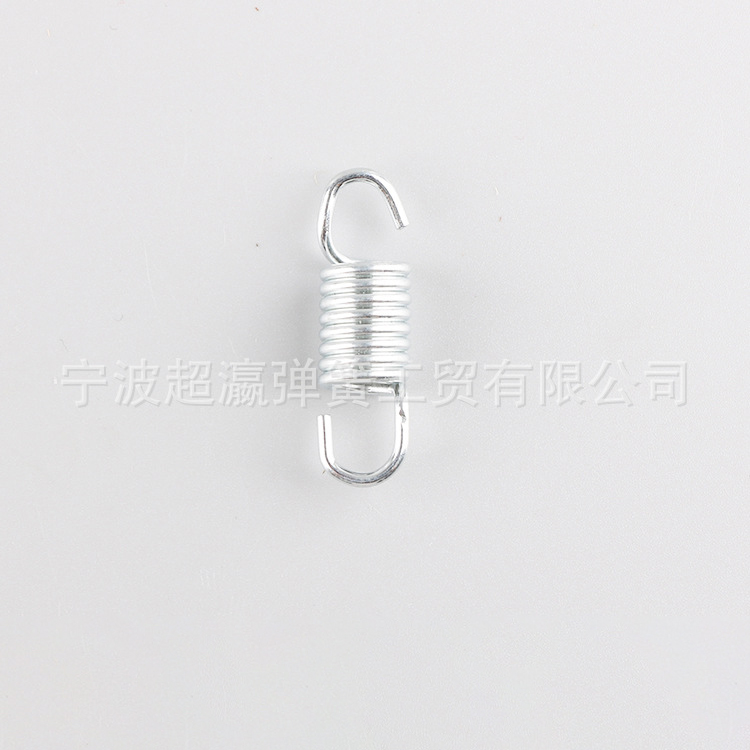
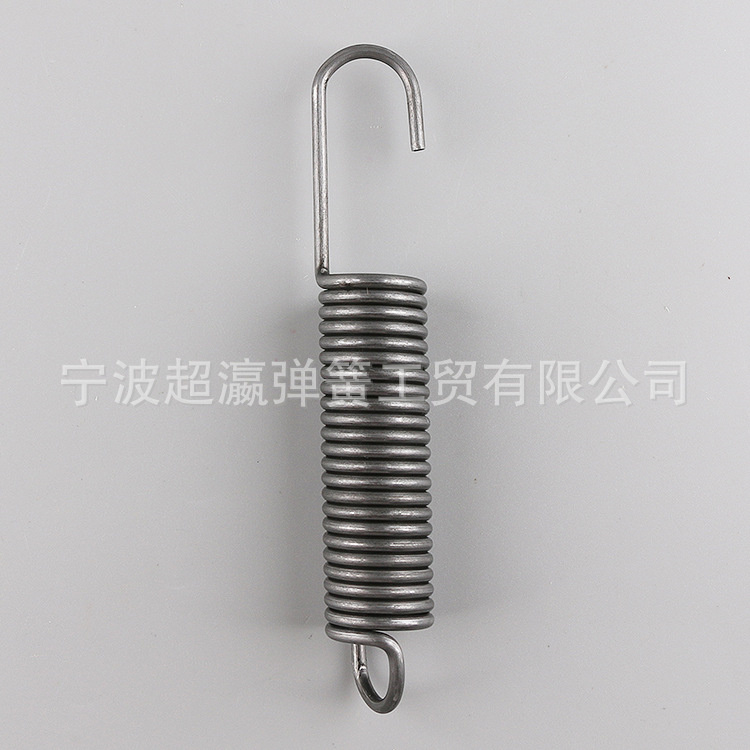
Extension springs are specifically designed to resist pulling forces. In most industrial contexts, when a professional refers to a Pullback Spring, they are typically describing an extension spring. Their primary mission is to create a contracting force that pulls back a component to its original position after it has been extended.
Core Mechanism
Key Parameter Comparison
For a Pullback Spring, the following parameters determine its reset performance:
| Parameter | Description | Impact on Pullback Function |
| Free Length | The total length of the spring without any load. | Defines the baseline for the installation space. |
| Initial Tension | The force required to start separating the coils. | Determines the holding strength in the static position. |
| Spring Rate | The force required to extend the spring by a unit length (e.g., N/mm). | Determines how quickly resistance increases during movement. |
| Maximum Extension | The limit the spring can stretch without permanent deformation. | Defines the safe working stroke of the Pullback Spring. |
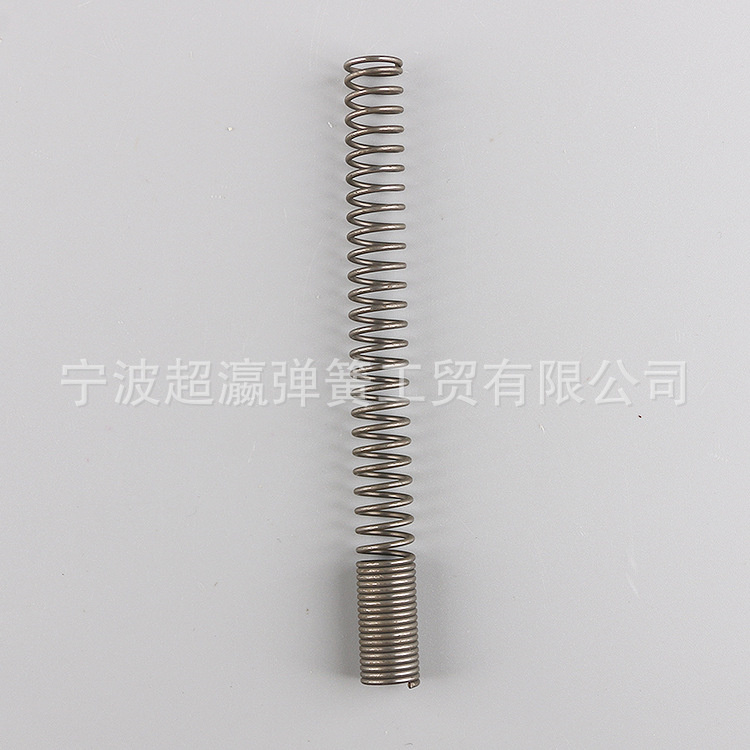
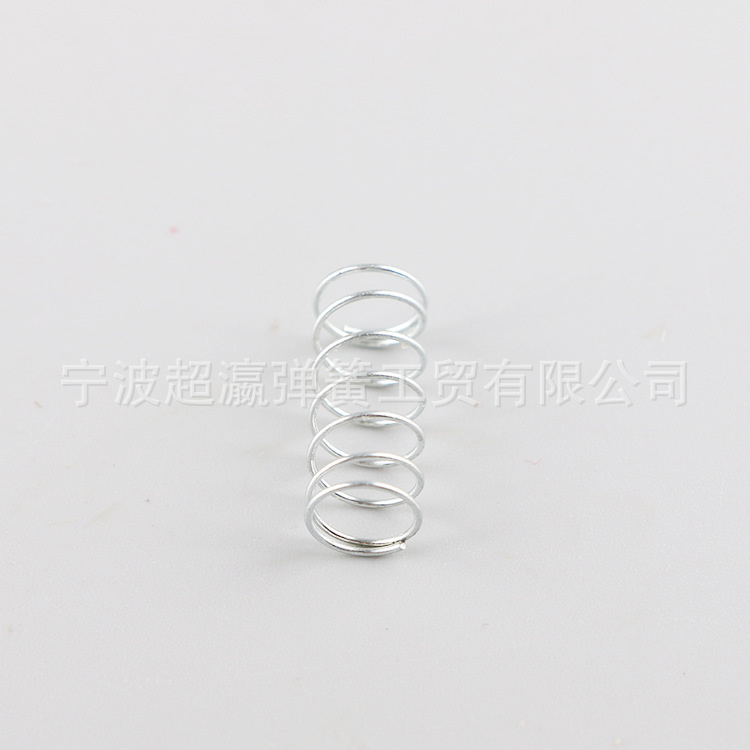
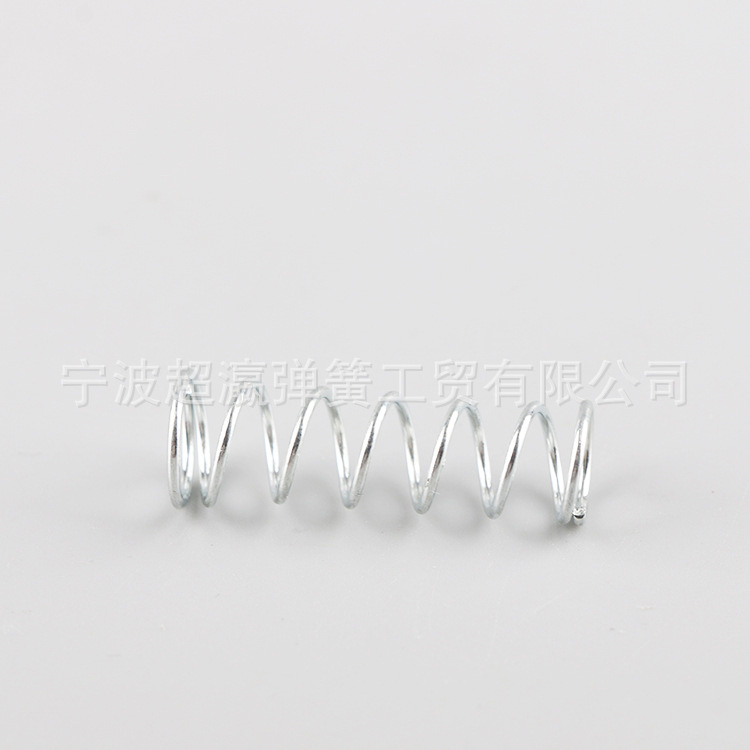
Compression springs function by resisting inward pressure. While their primary action is to push, they are often used in linkage mechanisms as a complementary component to a Pullback Spring.
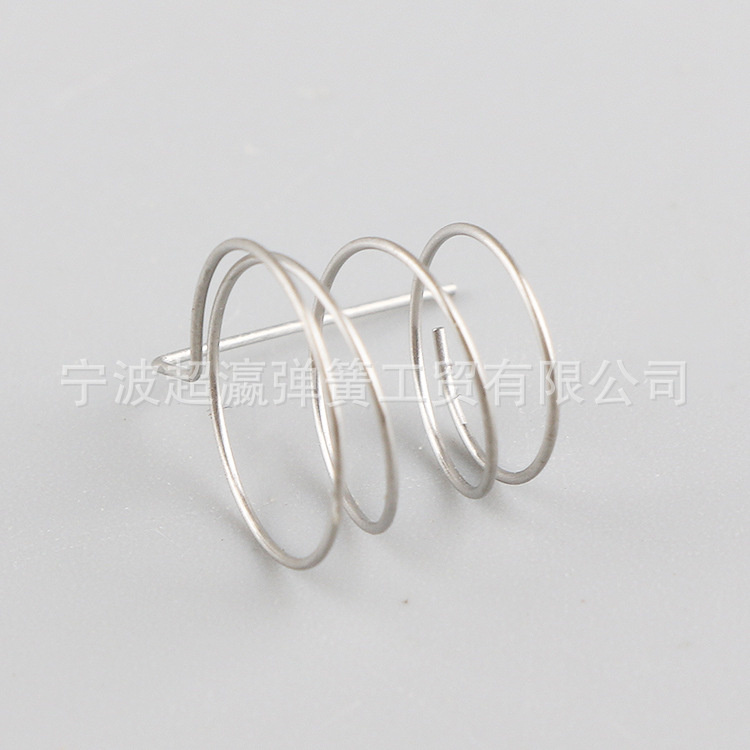
Torsion springs work through torque or rotational force. When the spring is twisted, it exerts a force in the opposite direction to return to its original angular position.
These consist of a ribbon of high-yield stainless steel that has been prestressed and rolled into a tight coil.
Q: What materials are typically used for a Pullback Spring?
A: Common materials include music wire, stainless steel (such as SUS304 or 316), and carbon steel. Stainless steel is preferred for corrosive environments, while music wire is best for high-load applications.
Q: Why does a Pullback Spring lose its strength over time?
A: This is usually due to stress relaxation or fatigue. If the spring is stretched beyond its elastic limit, the material undergoes permanent deformation, reducing the effective reset force.
Q: Is a Pullback Spring always an extension spring?
A: No. While extension springs are the most common, torsion springs and constant force springs can also perform the pullback or return task depending on whether the motion is linear or rotational.
Q: What data is needed to custom-order a Pullback Spring?
A: You should provide the wire diameter, outside diameter, free length, the required force at a specific extended length, and the type of hook required for the ends.
Related Products
Contact us
Factory Address
No. 8, Taoyuan South Road, Wuyuqiao, Henghe Town, Cixi City, Ningbo, China
Phone
+86-188 6787 1218+86-574-62605393
QR CODE
 Wholesale Stainless Steel Coil Springs Manufacturers