English
 English
 中文简体
中文简体
 Español
 Tiếng Việt
Get in touch
English
Get in touch
Feb 02, 2026
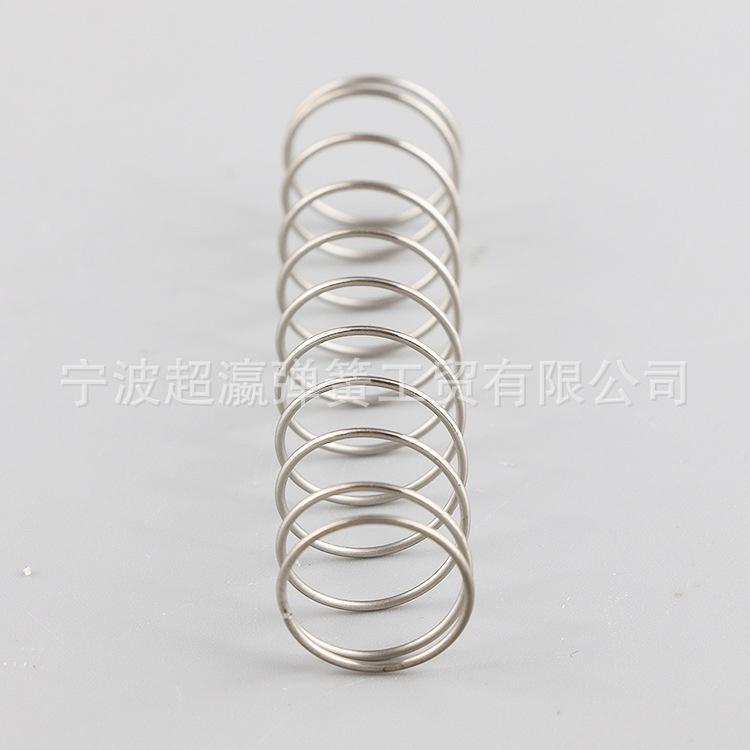
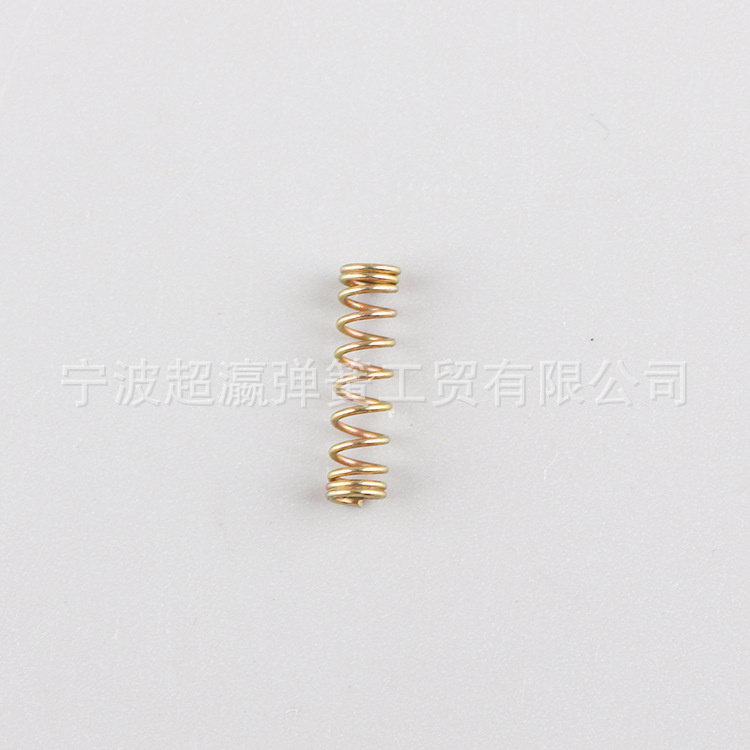
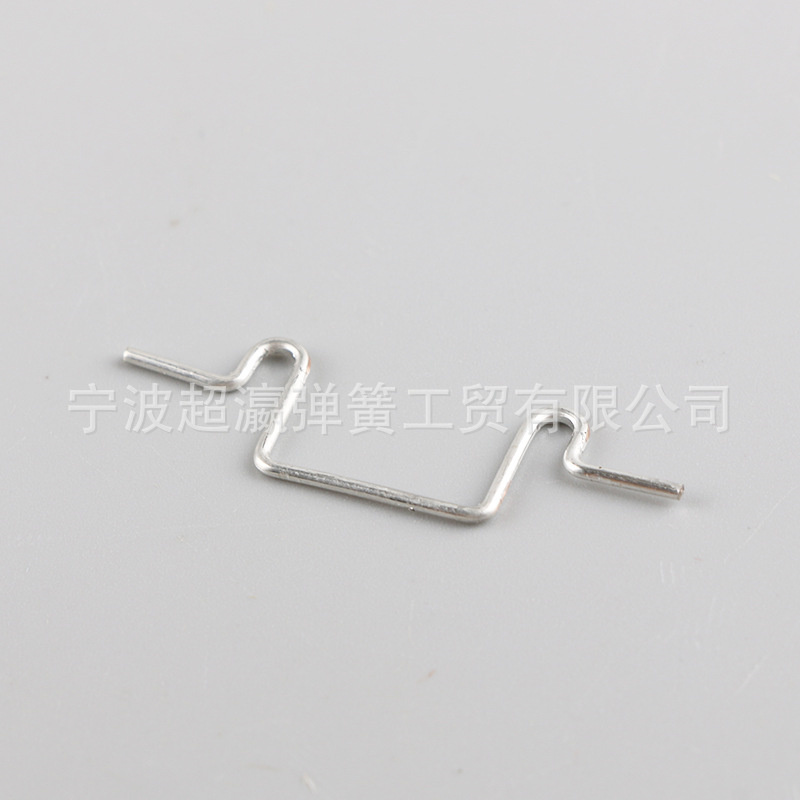
In the hardware architecture of a Robot Vacuum Cleaner, the Sweeper Switch Button Spring is not merely a mechanical support component. In many design schemes, it also serves as a critical path for conducting low-voltage DC circuits. The surface treatment process of the switch spring directly determines the Contact Resistance, signal transmission stability, and the overall Service Life of the device. This article explores the professional impact of Gold Plating, Silver Plating, and Nickel Plating on the electrical performance of these springs.
Gold Plating is the preferred solution for high-end switch springs. Although the electrical conductivity of gold is slightly lower than that of silver, its chemical stability makes it irreplaceable in the field of precision electronic switches.
Gold is an inert metal that does not form non-conductive oxides or sulfides at room temperature or in high-temperature environments. For physical trigger points like sweeper buttons that operate at low voltage and small current, even a tiny oxidation layer can cause Contact Resistance to surge, leading to button failure. Gold Plating ensures that the spring surface maintains metallic contact, significantly enhancing signal trigger sensitivity.
During frequent switching, micro-friction occurs at the contact interface. While pure gold is soft, "Hard Gold" created by adding trace amounts of cobalt or nickel significantly improves the wear resistance of the spring after tens of thousands of cycles, maintaining long-term conductive reliability.
Among all metals, silver possesses the highest electrical conductivity. Applying Silver Plating to a Sweeper Switch Button Spring primarily aims to reduce energy loss.
For power switch modules with relatively large current loads, silver plating significantly reduces circuit impedance and lessens the risk of spring annealing caused by Joule Heating. This helps keep the Spring Rate stable and prevents physical deformation due to overheating.
A notable disadvantage of silver is its tendency to react with sulfur in the air, forming black silver sulfide (Tarnish). While silver sulfide is somewhat conductive, its resistance is much higher than pure silver. Therefore, if silver-plated springs are used in a sweeper design, they usually require a well-sealed Switch Housing or an anti-tarnish coating on the silver surface.
Nickel Plating is typically used as an intermediate layer or a foundational anti-corrosion layer in switch spring applications.
Before applying Gold Plating or Silver Plating, nickel plating is usually performed. The nickel layer effectively blocks copper atoms in the base material (such as brass or bronze) from diffusing to the surface. Without a nickel layer, copper atoms would penetrate the gold or silver layer and oxidize, causing rapid deterioration of conductive performance.
The nickel layer has high hardness and excellent corrosion resistance. For sweepers operating in complex environments—where they might encounter floor water, pet urine, or detergents—Nickel Plating provides a powerful barrier. While its native conductivity is not as high as gold or silver, it offers a high price-performance ratio as a balance between structural integrity and conductivity.
| Surface Treatment | Contact Resistance | Corrosion Resistance | Solderability | Cost |
| Gold Plating | Ultra-Low / Stable | Excellent | Excellent | High |
| Silver Plating | Lowest (Initial) | Moderate (Tarnish issue) | Excellent | Medium |
| Nickel Plating | Moderate | High | Good | Low |
When selecting the surface treatment for a Sweeper Switch Button Spring, the specific application scenario of the robot vacuum must be considered.
If the spring is only used to send logic signals to the MCU (Microcontroller), Gold Plating is recommended. Stable low resistance ensures accurate determination of logic levels and avoids system errors. If the spring directly carries the motor starting current, the high current-carrying capacity of Silver Plating is more advantageous.
If the sweeper is sold in coastal areas with high humidity, the spring must pass at least a 48-96 hour Salt Spray Test. In this case, a nickel layer of sufficient thickness combined with a functional top plating is the core guarantee that the button will not rust and the conduction will not be interrupted.
For mass-market models, using full nickel treatment or selective gold plating can effectively control costs while ensuring basic conductive performance, thereby enhancing the market competitiveness of the product.
By accurately matching the Material Grade with Plating Thickness, manufacturers can significantly reduce after-sales repair rates caused by poor button contact, establishing a more reliable brand reputation.
Related Products
Contact us
Factory Address
No. 8, Taoyuan South Road, Wuyuqiao, Henghe Town, Cixi City, Ningbo, China
Phone
+86-188 6787 1218+86-574-62605393
QR CODE
 Wholesale Stainless Steel Coil Springs Manufacturers